
24/7 Customer Support

Free returns

Same-day & Next-day Delivery

Quality Guaranteed

Unlock Your Welcome Offers: FREE Delivery | Up to 80% OFF | Free 30-day JoyPlus trial
Download the APP
Buying energy and sports drinks can seem straightforward until you compare caffeine, sugar, electrolytes, serving sizes and multipack costs. A brightly coloured can may promise energy, while a sports bottle may appear suitable for every workout. However, the right choice depends on when you will drink it and what its nutrition label actually contains.
Whether you are shopping for gym sessions, long workdays, study, commuting or family refreshment, these checks can help you avoid unnecessary spending and select a drink that fits your routine.
Energy drinks and electrolyte drinks serve different shopping purposes. A caffeinated drink may suit alertness during work or study, but it is not automatically an isotonic sports drink. Conversely, an electrolyte beverage may contain no caffeine and may be more appropriate after exercise or on a warm day.
Look beyond words such as “active”, “boost” or “performance”. Check whether the product contains caffeine, electrolytes, carbohydrates or simply flavouring and sweeteners.
Sugar-free energy drinks can reduce sugar and calorie intake, but they may still contain a substantial amount of caffeine. Some use sweeteners, which may not suit every taste or dietary preference. A zero-sugar formula is therefore a nutritional feature, not a universal reason to buy.
For sports lasting several hours, a carbohydrate energy drink may be more relevant than a sugar-free caffeine drink. For desk work or afternoon refreshment, the opposite may be true.
A 12- or 24-pack may appear economical, but compare the price per litre and the volume per serving. A 250ml can, 330ml can, 380ml bottle and 500ml bottle provide different quantities. Also consider storage space, best-before dates and whether you will realistically use the full pack.
For households, students and office workers, buying bulk drinks online can be convenient, but only when the pack size and flavour are suitable for regular consumption.
UK labels commonly show caffeine per 100ml, while the actual can or bottle may be much larger. For example, a drink containing 32mg of caffeine per 100ml provides approximately 80mg in a 250ml can, but around 160mg in a 500ml can.
High-caffeine products should carry the appropriate warning and are generally not recommended for children or pregnant or breastfeeding women. Check the label if you are sensitive to caffeine, take medicines or plan to drink the product late in the day. Avoid stacking several caffeine drinks without calculating the total intake.
Isotonic sports drinks commonly combine water, carbohydrates and minerals such as sodium or potassium. They may be practical during prolonged or sweaty exercise, while plain water may be sufficient for many everyday activities.
Check the sugar and carbohydrate figures per bottle rather than per 100ml. A 500ml bottle containing 6g of sugar per 100ml provides about 30g in total. For exercise-specific use, portable carbohydrate products may provide a more concentrated format, but they should be used according to the serving instructions.
Review the full ingredients list for:
Nutrition formulas and packaging can change, so always check the physical label before consumption.
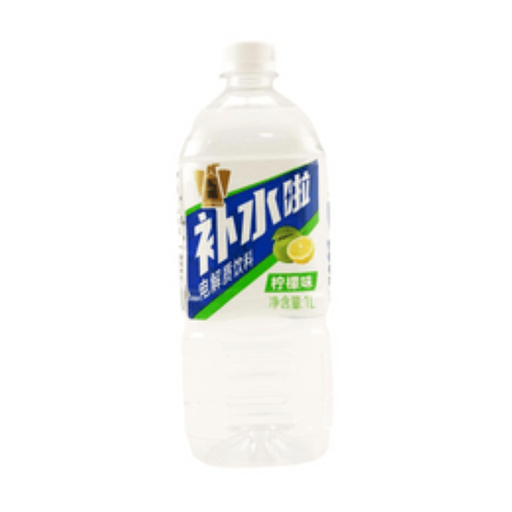
Why This Fits Their Persona: A single 555ml bottle offers an accessible way to try an electrolyte drink for commuting, light exercise or everyday refreshment without committing to a large multipack.
The listing provides clear per-100ml nutrition information: 26 kcal and 6.0g sugar, helping shoppers assess the whole 555ml bottle rather than relying on the word “hydration”.
Lemon flavour, coconut water concentrate, sodium citrate and potassium chloride; ready to drink with no listed allergens.
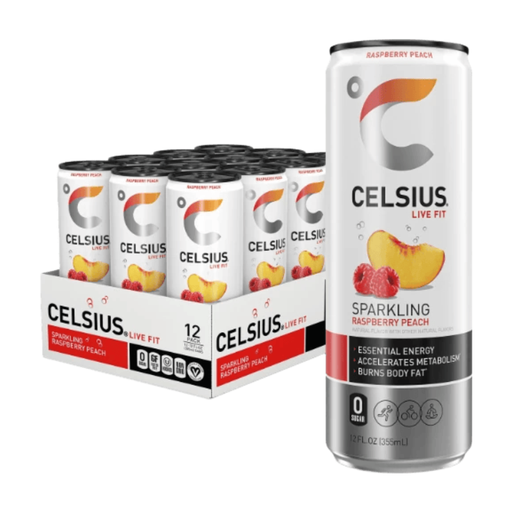
Why This Fits Their Persona: Suitable for shoppers wanting a sugar-free functional drink in a case format for planned use at the office, gym or during busy daytime routines.
The product lists 0g sugar and 3 kcal per 100ml, while also clearly stating its high caffeine content of 56mg per 100ml.
Raspberry-peach flavour, seven listed vitamins, natural caffeine sources and a 12-can multipack; suitable for vegetarian and vegan diets according to the listing.
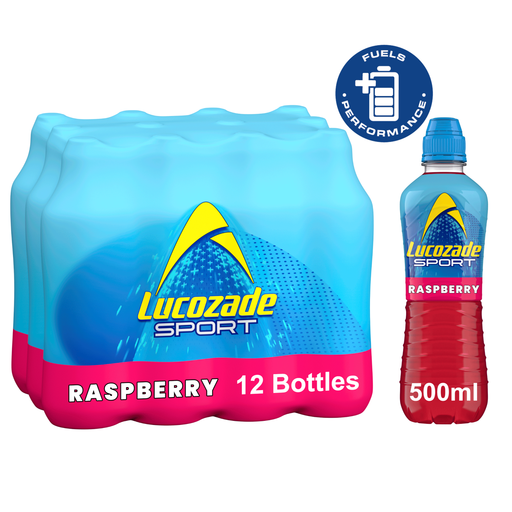
Why This Fits Their Persona: The 12-bottle format is practical for regular training, team activities or keeping chilled drinks available after longer exercise sessions.
It is identified as an isotonic sports drink and provides nutrition figures for both 100ml and 250ml, making carbohydrate and sugar intake easier to calculate.
500ml bottles, raspberry flavour, sodium chloride and 6.3g carbohydrate per 100ml; the listing also flags aspartame and phenylalanine.
We have compiled a complete, real-time list of products that fully satisfy these strict selection criteria and UK safety regulations.
It depends on the activity. Caffeinated energy drinks are designed around stimulation, while isotonic sports drinks and electrolyte drinks focus on fluids, carbohydrates and minerals. For longer or more intense exercise, check the serving size and carbohydrate content. Always follow the product warning and usage instructions.
Not necessarily. Sugar and caffeine are separate ingredients. A sugar-free energy drink may still contain a high caffeine level, so compare the caffeine amount per can rather than assuming it is a lighter product.
They can offer a lower cost per can, but calculate the price per litre and check the total sugar or caffeine per serving. Multipacks are more practical when you already know you enjoy the flavour and have suitable storage space. For occasional use, individual bottles or smaller packs may create less waste.