
24/7 全天候客户支持

免费退货

当日/次日达

品质保障

开启新人专享福利: 全场免邮 | 低至 2 折 | 免费试用 30 天 JoyPlus 会员
下载 Joybuy
Whether you are training for a weekend 10K, commuting by bike, lifting at the gym or managing long shifts, energy supplements can offer a convenient way to plan carbohydrate, caffeine or vitamin intake. However, the format and ingredients matter more than bold packaging claims.
A gel designed for endurance exercise is not automatically suitable before weight training, while a high-caffeine energy shot may be impractical late in the day. Use this guide to compare the important details and avoid common buying mistakes.
Many zero-sugar energy supplements still contain carbohydrates, such as maltodextrin. This is relevant for runners and cyclists who want fuel during exercise but may not suit shoppers simply looking for a low-calorie drink.
Check the nutrition panel for both carbohydrates and of which sugars. For example, some isotonic energy gels provide around 23g of carbohydrate per sachet with 0g sugar, while zero-sugar energy drinks may contain no carbohydrate at all.
Caffeine can appear in energy gels, pre-workout powder, energy shots and energy drinks. Taking more than one format during the same session can quickly raise your total intake.
A gel may contain 75mg caffeine, while a pre-workout gel or powder can contain 200mg per serving, and an energy shot can provide 200mg in only 60ml. Add coffee, tea or other energy drinks and the total can be higher than expected.
For context, the UK Food Standards Agency advises that healthy adults should generally keep daily caffeine intake to no more than 400mg, while pregnant women are advised to limit intake to 200mg per day. Always follow the product label, particularly if you have a medical condition, take medication or are sensitive to caffeine.
Some isotonic energy gels are formulated for direct consumption without additional water. Others are thicker and may be more comfortable when taken with fluid. Electrolytes can complement a hydration plan, but an energy gel should not be treated as a complete replacement for drinking water during prolonged activity.
Also check the recommended serving rate. A product suitable for one gel per hour should not automatically be consumed at the same rate as a higher-carbohydrate endurance energy gel.
For endurance sports, compare the grams of carbohydrate per serving rather than relying on terms such as “rapid energy” or “long-lasting fuel”. A standard endurance gel may provide 23g, whereas a tri-source formula may provide 40g per gel.
Some products combine maltodextrin and fructose, while others use maltodextrin alone. If you are new to sports nutrition, introduce any formula during training rather than for the first time on race day.
Choose caffeine deliberately:
Do not combine multiple high-caffeine products without calculating the total. Products containing caffeine are generally unsuitable for children, and many listed products carry warnings for pregnant or breastfeeding women.
Sodium and chloride may be useful considerations during sweaty, prolonged activity, although needs vary with the session, weather and individual hydration plan. Compare the actual milligrams listed rather than assuming that every electrolyte energy gel has a similar profile.
For dietary requirements, look for clearly stated vegan, vegetarian or Halal suitability, and check allergen information. Athletes subject to competition rules may also prefer products listed as batch tested under the Informed-Sport programme. This describes a testing status; it does not replace checking the current label and applicable sporting rules.
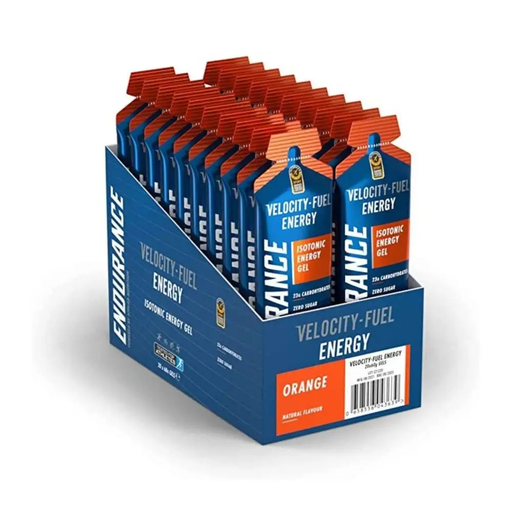
Why This Fits Their Persona: A straightforward sachet format for runners, cyclists and active adults beginning to plan carbohydrate intake during longer sessions.
The label specifies a caffeine-free, sugar-free formula and 23.1g carbohydrate per 60g gel, making comparison easier.
Caffeine-free; zero sugar; compact sachets; listed as suitable for direct consumption during exercise.
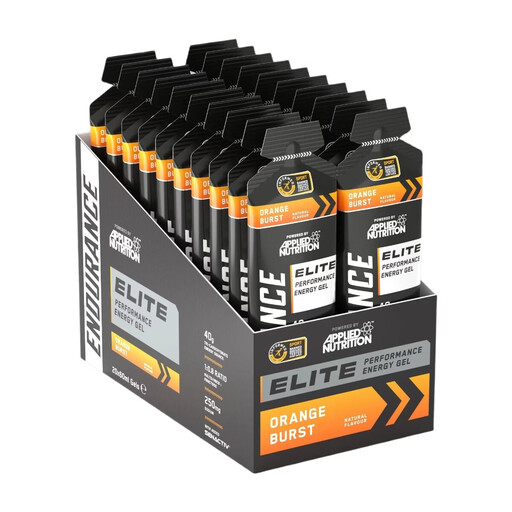
Why This Fits Their Persona: Designed for long-distance runners, cyclists and triathletes comparing carbohydrate quantity and electrolyte content in detail.
It states 40g carbohydrate and 250mg sodium per gel, rather than leaving the fuel quantity unclear.
Tri-source carbohydrate blend; 250mg sodium; Informed-Sport testing information is provided on the listing.
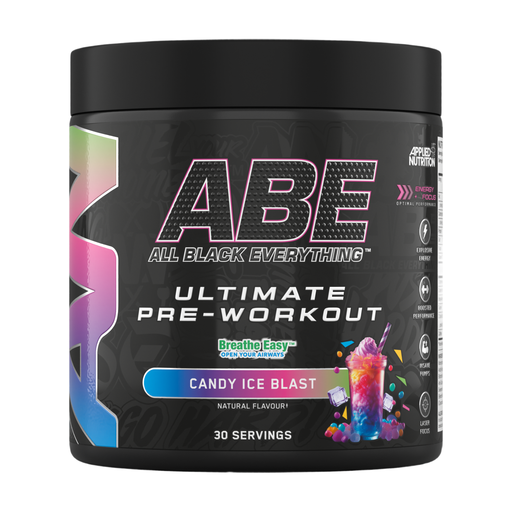
Why This Fits Their Persona: A scoop-and-mix option for healthy adults who prefer a planned pre-workout routine before gym or high-intensity training.
The serving size and caffeine amount are stated clearly: 12.5g and 200mg respectively, with a one-serving-per-day direction.
Contains listed amounts of citrulline malate, creatine and beta-alanine; zero sugar; vegan and Halal suitability stated.
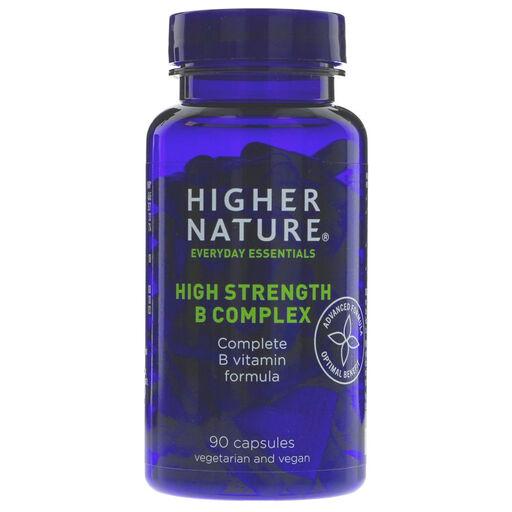
Why This Fits Their Persona: Suitable for shoppers seeking a daily B-complex vitamin format rather than a sports gel or stimulant-led drink.
It is a one-capsule daily formula, so shoppers can distinguish vitamin intake from rapid caffeine-based energy products.
Includes B1, B2, B3, B5, B6, B12, folic acid and biotin; capsule format contains no caffeine.
We have compiled a complete, real-time list of products that fully satisfy these strict selection criteria and UK safety regulations.
They are generally designed for exercise-related use, particularly sessions lasting around an hour or longer. For ordinary daily tiredness, a balanced diet, sleep and hydration should be considered first. Follow the serving instructions and do not use gels as a substitute for meals.
Shelf life varies by product and batch. Store unopened gels, powders, capsules and drinks according to the packaging, usually in a cool, dry place away from direct sunlight. Check the Best Before End date before purchase and use, and consume an opened sachet immediately unless the label states otherwise.
Check the caffeine content of both products before combining them. A pre-workout serving may contain 200mg caffeine, and an energy drink may add a further 100mg or more. Combining stimulants can also duplicate ingredients such as taurine or B vitamins. When in doubt, choose one caffeine-containing product and follow its recommended serving.