
24/7 Customer Support

Free returns

Same-day & Next-day Delivery

Quality Guaranteed

Unlock Your Welcome Offers: FREE Delivery | Up to 80% OFF | Free 30-day JoyPlus trial
Download the APP
Choosing energy supplements and drinks is rarely as simple as picking the most colourful can or the largest capsule count. UK shoppers may be comparing a multipack of energy drinks for the office, sugar-free energy drinks for a low-carb routine, or natural energy supplements for exercise and daily wellbeing.
The main challenge is separating useful product information from vague promises. A sensible choice starts with the label, serving size, intended use and your own caffeine tolerance.
A multipack of energy drinks can reduce the cost per serving, but only if you will use the products before their best-before dates and the portion suits your routine. A 500ml can contains twice the volume of a 250ml can, so comparing prices without checking cost per 100ml or per can can give a misleading impression.
Large packs also take up more storage space. For occasional use, a smaller case may be more practical than buying in bulk.
Sugar-free energy drinks may contain the same caffeine level as their sugared alternatives. For example, the supplied Red Bull Sugarfree product lists 32mg of caffeine per 100ml, equivalent to 80mg per 250ml can. Monster Ultra White lists the same concentration, but its 500ml can contains 160mg per can.
Sugar-free describes the carbohydrate profile, not the stimulant content. Check the caffeine amount per serving before adding coffee, pre-workout energy powder or energy capsules to the same day.
Natural energy supplements can include botanicals, amino acids, oils or concentrated vitamins. “Natural” does not automatically mean low-dose, caffeine-free or appropriate alongside medication.
Read the full ingredients list and warnings. Products containing guarana, yerba mate, ginkgo, maca or MCT oil may suit particular routines, but they should still be introduced according to the label. Food supplements should complement a varied diet rather than replace meals or professional medical advice.
Look for caffeine in milligrams per serving, not only promotional descriptions such as “energy blend”. UK energy drinks commonly display a high-caffeine warning when levels exceed the relevant threshold. Red Bull and Monster products supplied here state 32mg per 100ml.
For comparison:
Count caffeine from coffee, tea, cola, energy capsules and sports products together. Children, pregnant or breastfeeding women and people sensitive to caffeine should follow the product warning and seek suitable advice where needed.
Sugared drinks can provide a familiar taste but may contribute a substantial amount of carbohydrate. A 250ml Red Bull original can lists 28g of sugar, while a 500ml Monster Original can lists 55g.
Sugar-free options can reduce sugar and calorie intake, but check the sweeteners and allergy information. The Red Bull Sugarfree product contains aspartame and a source of phenylalanine, which is important for people with phenylketonuria.
For sport, the calculation is different. A gel may be selected for its carbohydrate content during exercise rather than its sugar-free positioning. Applied Nutrition’s supplied gel lists 23.1g carbohydrate, electrolytes and 75mg caffeine per sachet.
Match the format to the moment:
Check whether a product needs refrigeration after opening, how much water is required and whether the recommended daily serving is one capsule, one sachet or a measured spoonful.
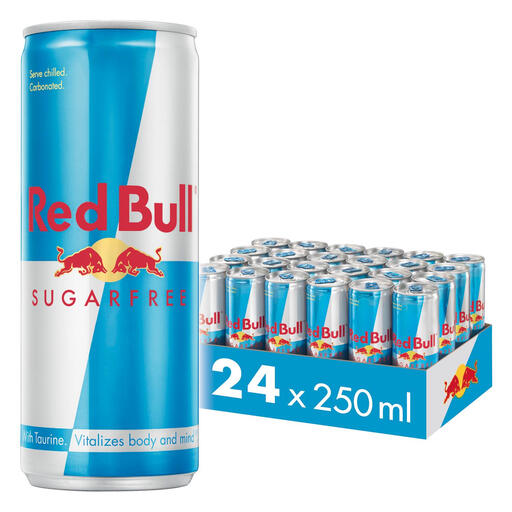
Why This Fits Their Persona: A 24-can case provides a convenient cupboard supply for busy professionals, students or shared households wanting a familiar 250ml serving.
The label states zero sugar and 8 calories per can, making the carbohydrate profile clear. Caffeine remains 80mg per can, so portion control is still needed.
Zero sugar, 250ml format and a bulk pack suited to planned use. Suitable for vegetarians and vegans according to the supplied product information.
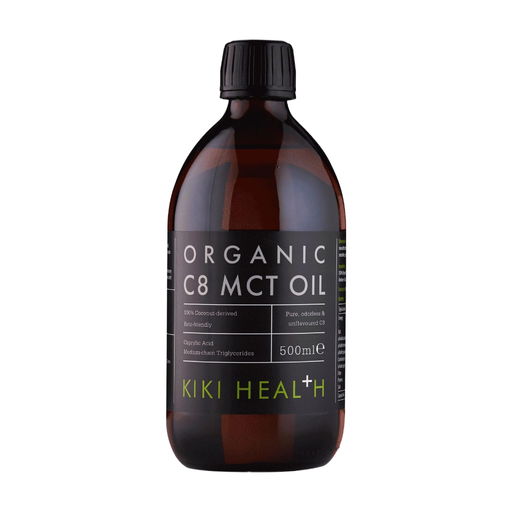
Why This Fits Their Persona: A flavourless oil suits adults who prefer adding a measured ingredient to coffee, smoothies or recipes instead of buying ready-made cans.
The ingredient list is limited to 100% organic MCT oil, with the supplied specification stating at least 96% caprylic acid (C8).
Zero carbohydrate and zero sugar according to the supplied nutrition information. Suitable for low-carb and ketogenic meal plans.
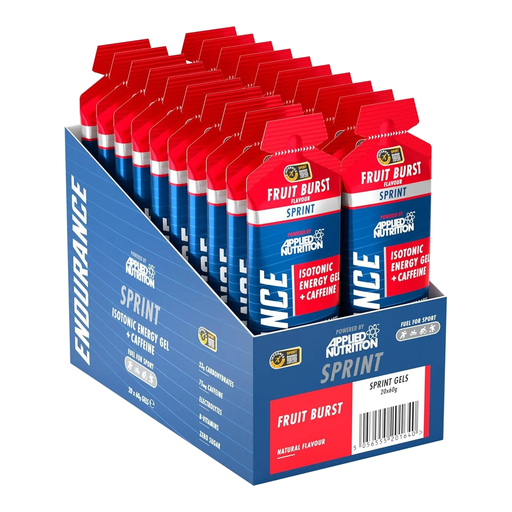
Why This Fits Their Persona: Runners, cyclists and fitness enthusiasts can carry individual sachets during training without opening a bottle or mixing a drink.
The pack states 23.1g carbohydrate, 75mg caffeine and electrolyte quantities per 60g sachet, so the intake is easier to track.
Ready to consume without water and supplied in a 20-pack. The product information states that it is tested under the Informed-Sport programme.
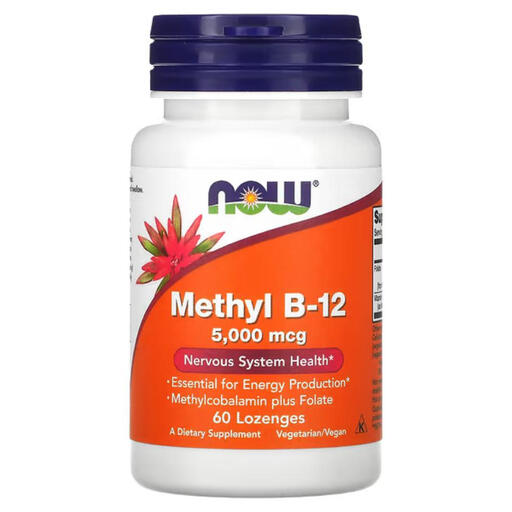
Why This Fits Their Persona: Vegetarian and vegan shoppers may prefer a compact lozenge format for a planned daily supplement routine.
The stated serving is one tablet daily, with clearly listed amounts of 5,000 micrograms vitamin B12 and 200 micrograms folic acid.
60 lozenges and a vegetarian-friendly formula. The label should be checked before use, particularly when taking other vitamin B12 supplements.
We have compiled a complete, real-time list of products that fully satisfy these strict selection criteria and UK safety regulations.
For regular use, calculate the price per serving, not just the headline pack price. A 24-pack may be economical for someone who drinks one can occasionally, but a single sachet or capsule may create less waste for infrequent users.
Also consider:
A product such as cacao or maca powder may be mixed into food, while ready-to-drink energy drinks commonly chosen by UK shoppers require no preparation. The more often a product fits your routine, the less likely it is to remain unused in a cupboard.
Suitability depends on the product, serving size, total caffeine intake and individual circumstances. Check the label and avoid combining several caffeine-containing products without calculating the total. Energy drinks are not recommended for children, and many products carry specific warnings for pregnant or breastfeeding women.
They contain less or no sugar compared with a sugared equivalent, but they may still contain caffeine and sweeteners. Compare the nutrition panel, caffeine quantity and serving size rather than relying on the front-of-pack description.
Cans and bottles are ready to drink, while energy capsules and vitamin B12 supplements are compact for planned use. Sports energy gels are convenient during exercise, and single-serve pre-workout energy powder sachets can be useful where access to a shaker and water is available. Always follow the product’s preparation and dosage instructions.