
24/7 Customer Support

Free returns

Same-day & Next-day Delivery

Quality Guaranteed

Unlock Your Welcome Offers: FREE Delivery | Up to 80% OFF | Free 30-day JoyPlus trial
Download the APP
Whether you are managing long shifts, commuting, studying, training or simply trying to avoid an afternoon slump, the right energy supplements can offer convenient support. However, the category includes everything from energy drinks and capsules to powders, gels and vitamin formulas, so comparing products requires more than looking at colourful packaging.
The most suitable option depends on your caffeine tolerance, intended use, dietary preferences, sugar intake and serving format. Below, Joybuy’s Product Recommendation Officer outlines the practical details worth checking before you buy.
Caffeine can support alertness, but more is not automatically more suitable. A small can may contain 80mg, while some pre-workout energy drinks provide around 200mg per serving. Adding coffee, energy capsules or caffeine supplements on the same day can make your total intake difficult to track.
Check the caffeine amount per serving, not just the product name. For healthy adults, the UK Food Standards Agency advises limiting daily caffeine intake to 400mg. Pregnant women are advised to stay within 200mg per day. Children should not consume high-caffeine energy products.
Natural energy supplements may contain guarana, yerba mate, green coffee or other botanical extracts. These can still provide caffeine or other stimulants. For example, guarana capsules may have a variable caffeine contribution depending on the extract and serving instructions.
Read the complete ingredients list and avoid combining several stimulant-based products. If you prefer late-day use or are sensitive to caffeine, consider a vitamin B complex, non-stimulant formula or an electrolyte product instead.
Terms such as “metabolism support”, “thermogenic” and “vitality complex” describe a product category or formulation style, but they do not tell you whether it suits your routine. Focus on measurable information:
Remember that supplements are not a substitute for sleep, food, hydration or medical advice. Persistent fatigue should be discussed with a healthcare professional rather than managed solely with energy products.
For office work or commuting, a moderate-caffeine drink may be more practical than a high-strength pre-workout product. Applied Nutrition Body Fuel provides 100mg caffeine per 330ml can, while ABE Energy Drink lists approximately 200mg per can. These are significantly different serving strengths.
Also check whether the product recommends use before exercise, in the morning or during activity. Avoid taking caffeine-based products close to bedtime if it affects your sleep.
Sugar-free energy drinks can help reduce added sugar intake, but they may contain sweeteners such as sucralose, acesulfame K or aspartame. Check the nutrition panel if you are sensitive to specific ingredients.
For endurance exercise, a carbohydrate powder or electrolyte energy gel serves a different purpose. Applied Nutrition Carb X provides 24g of carbohydrate per 25g serving, while the Energy Gel provides approximately 23.1g of carbohydrate and 75mg caffeine per 60g gel. These products are designed around activity fuel rather than simply replacing a soft drink.
Choose a format that fits your routine:
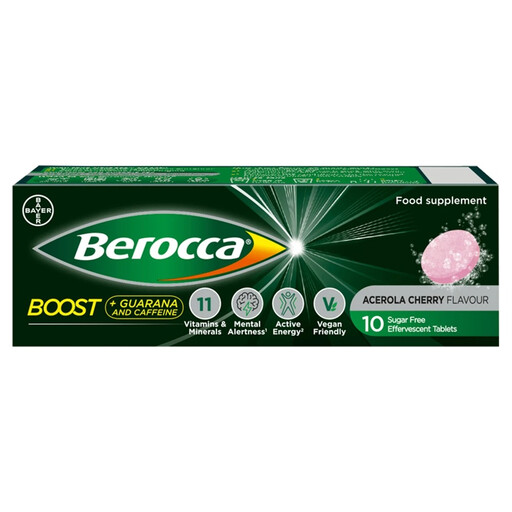
Why This Fits Their Persona: A compact 10-tablet pack suits first-time buyers, commuters and office workers who want a prepared drink rather than cans or loose powder.
The label states 75mg caffeine and 2 calories per tablet, making the stimulant and calorie content easier to track than an unnamed botanical blend.
Sugar-free, vegan and gluten-free; supplies 11 listed vitamins and minerals in an easy-to-dissolve format.
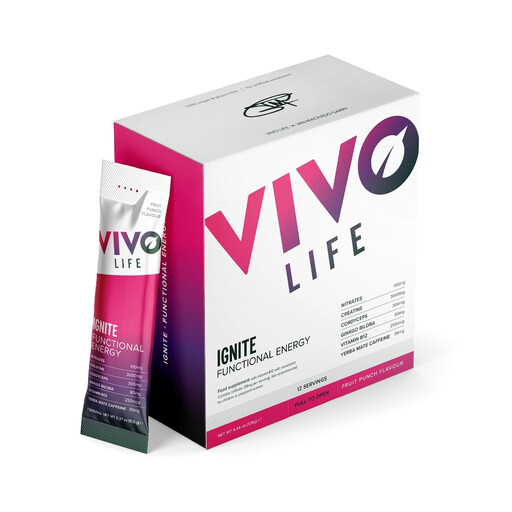
Why This Fits Their Persona: Single sachets work well for active adults who value portable, plant-based ingredients for work, travel or pre-workout use.
The product lists its serving size, 21kcal energy value and named extracts, including beetroot, yerba mate, cordyceps and ginkgo biloba.
Includes creatine monohydrate and 250mcg vitamin B12 per sachet; one sachet is the stated maximum daily serving.
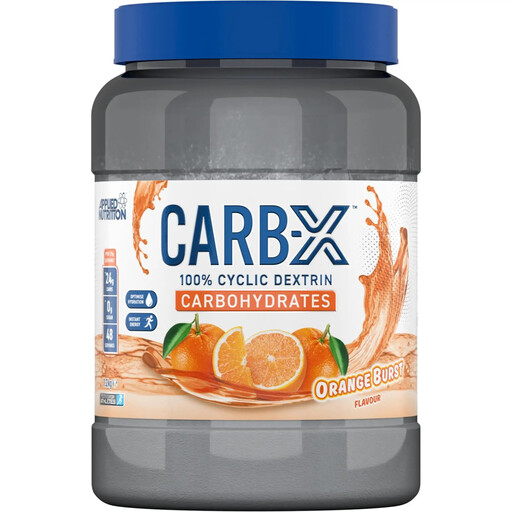
Why This Fits Their Persona: A 1.2kg bag is suited to regular gym users, runners and cyclists who need measured carbohydrate intake around longer sessions.
It clearly separates carbohydrate fuel from caffeine-based energy products, with 24g carbohydrate and 95kcal per 25g serving and no listed sugar.
Provides up to 48 servings at the stated serving size; listed as suitable for halal, vegan and vegetarian diets.
We have compiled a complete, real-time list of products that fully satisfy these strict selection criteria and UK safety regulations.
Some products are designed for daily use when the stated serving is followed, but suitability depends on the ingredients. Track total caffeine from coffee, tea, energy drinks and pre-workout energy products. Vitamin and mineral formulas should not be stacked without checking overlapping nutrients.
For short sessions, a moderate-caffeine drink may be sufficient. Longer or high-intensity activity may require carbohydrate energy powder or electrolyte energy gels instead. Check whether the product provides carbohydrates, electrolytes and clear timing instructions, rather than choosing based only on “energy” wording.
Iron contributes to normal red blood cell formation and the reduction of tiredness and fatigue when an individual has an inadequate intake. However, unexplained or persistent fatigue should be assessed by a healthcare professional. Do not add iron supplements solely because a product is marketed for energy, and check with a clinician if you take medication or have a relevant medical condition.