
24/7 Customer Support

Free returns

Same-day & Next-day Delivery

Quality Guaranteed

Unlock Your Welcome Offers: FREE Delivery | Up to 80% OFF | Free 30-day JoyPlus trial
Download the APP
Whether you are managing long shifts, revising for exams, training after work or preparing for a long cycle ride, energy supplements and drinks can be convenient. However, the right choice depends on more than flavour and branding.
As the Joybuy Product Recommendation Officer, I focus on practical details that help shoppers compare products without relying on exaggerated promises. Here are the common traps to avoid, followed by key specifications and suitable product matches.
Zero sugar energy drinks can contain as much caffeine as their standard versions. For example, Red Bull Sugarfree 250ml contains 32mg of caffeine per 100ml, equivalent to approximately 80mg per can. Monster Ultra Rosa lists 30mg per 100ml, while some pre-workout drinks contain considerably more.
Always check:
“Sugar-free” describes the carbohydrate content, not the stimulant level.
A product may mention taurine, beta-alanine, creatine, amino acids, vitamins and botanical extracts on the front label. That does not necessarily tell you how much of each ingredient is included.
For more useful comparisons, look for a full nutrition panel. Applied Nutrition ABE White Pre Workout, for instance, lists 200mg caffeine, 2,000mg beta-alanine and 2,000mg citrulline malate per 330ml can. By contrast, a general energy drink may focus primarily on caffeine, taurine and B vitamins.
The ingredient list should match your intended use rather than simply appearing impressive.
Caffeine may suit alertness, but it does not replace fluids or workout fuel. During prolonged exercise, an electrolyte tablet or carbohydrate energy powder may be more appropriate.
Similarly, electrolyte products are not automatically interchangeable. Check the sodium, potassium, magnesium and calcium amounts, as well as whether the product contains sugar, sweeteners or sorbitol.
For energy drinks and caffeine supplements, compare the amount per serving rather than the size of the multipack. A 250ml can, a 330ml can and a 500ml can may have very different caffeine totals.
The UK labelling phrase “high caffeine content” is used for drinks containing more than 150mg of caffeine per litre. Products containing caffeine should also carry appropriate warnings, and energy drinks are not recommended for children or pregnant or breastfeeding women.
If you train in the evening or are sensitive to stimulants, consider a stimulant-free pre-workout. Applied Nutrition Pump 3G Zero provides 5g citrulline malate, 3g AAKG and 3g creatine monohydrate per serving, with no caffeine listed.
Standard energy drinks can contain substantial sugar. Red Bull Energy Drink provides 28g sugar and 115 calories per 250ml can, while Monster Original Green provides 55g sugar per 500ml can.
Zero sugar energy drinks may be more suitable for shoppers limiting sugar intake, but check sweeteners and caffeine separately. If your priority is fuelling endurance training, a carbohydrate energy powder offers a different function. Applied Nutrition Carb X provides 24g carbohydrate per 25g serving, with zero sugar listed in the supplied nutrition information.
Electrolyte tablets are convenient for work bags, travel and gym sessions because they require only water. Applied Nutrition’s Lemon & Lime tablets provide 270mg sodium, 100mg potassium, 25mg magnesium and 15mg calcium per tablet. The Orange version provides 332mg sodium, 300mg potassium, 50mg magnesium and 100mg calcium per tablet.
Follow the preparation instructions carefully: the supplied directions specify dissolving one tablet in 200ml to 500ml of cold water, with a maximum of four tablets daily. Excessive intake may cause digestive effects because the formula contains sorbitol.
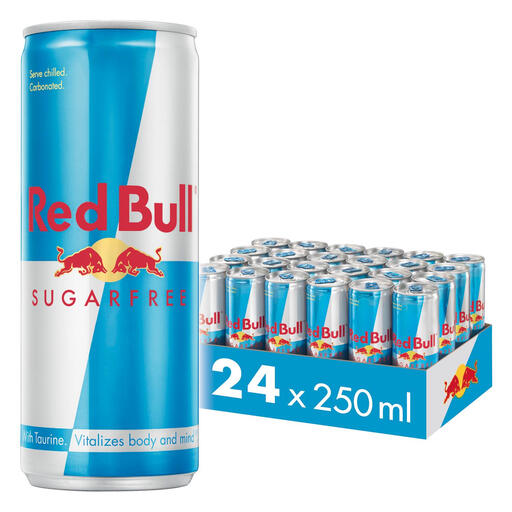
Why This Fits Their Persona: A familiar single-can format in a multipack, suitable for adults who want a low-calorie option for occasional busy days.
The label states zero sugar and approximately 80mg caffeine per 250ml can, helping shoppers distinguish sugar content from stimulant content.
Zero sugar, 8 calories per can and a 24-can format for cupboard storage.
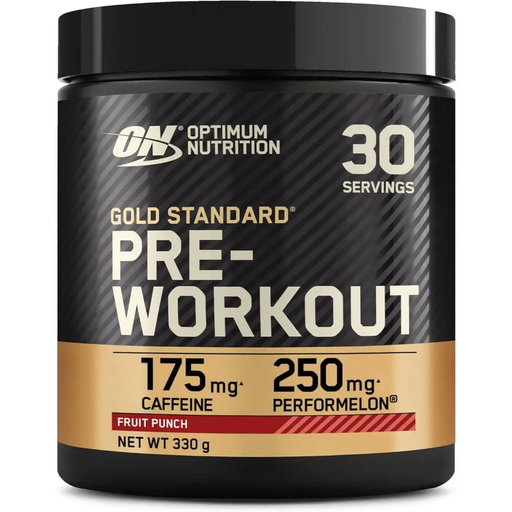
Why This Fits Their Persona: Suitable for adult gym-goers who want clearly stated quantities for structured pre-workout planning.
The supplied specification lists 175mg caffeine, 3.4g creatine monohydrate, 1.5g beta-alanine and 750mg L-citrulline per serving.
Powder format, one stated serving per day and a vegetarian-suitable formulation.
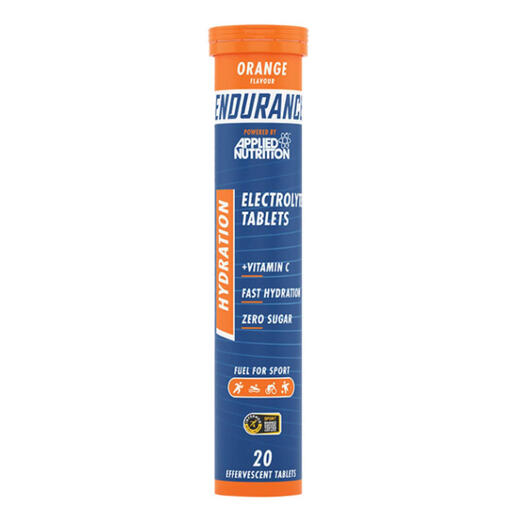
Why This Fits Their Persona: Practical for runners, cyclists, frequent gym users and travellers who need portable hydration support without carrying ready-made bottles.
It provides an itemised mineral profile instead of relying only on general hydration language, with a stated maximum of four tablets daily.
Zero sugar, approximately 7 calories per tablet and vegan- and vegetarian-suitable according to the supplied details.
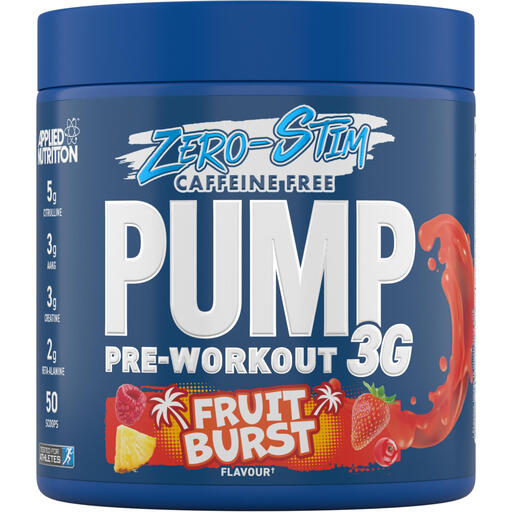
Why This Fits Their Persona: Designed for adults who train later in the day and want a pre-workout powder without caffeine.
The product is explicitly labelled zero stimulant and caffeine-free, avoiding the common mistake of assuming every pre-workout contains the same stimulant profile.
Provides 5g citrulline malate, 3g AAKG and 3g creatine monohydrate per 15g serving.
We have compiled a complete, real-time list of products that fully satisfy these strict selection criteria and UK safety regulations.
They may be convenient before activity, but suitability depends on caffeine, sugar, serving size and your personal tolerance. For longer sessions, hydration supplements or carbohydrate products may be more relevant than a standard energy drink. Follow the label and avoid combining multiple stimulant products.
Not necessarily. Sugar and caffeine are separate specifications. Compare the caffeine amount per can, not just the front-of-pack calorie claim.
Shelf life varies by product and storage conditions. Keep powders and tablets sealed in a cool, dry place, and check the best-before date, batch information and usage instructions on the packaging. Once mixed, follow the stated consumption window; the electrolyte tablet guidance supplied here recommends consuming the prepared drink within 24 hours.