
24/7 Customer Support

Free returns

Same-day & Next-day Delivery

Quality Guaranteed

Unlock Your Welcome Offers: FREE Delivery | Up to 80% OFF | Free 30-day JoyPlus trial
Download the APP
Feeling flat before a gym session, running out of energy on a long cycle ride or looking for a convenient alternative to sugary drinks? Energy supplements come in many forms, but the most attractive label is not always the most suitable choice.
The main issue is matching the formula to the activity. A caffeine drink may support alertness, but it will not replace carbohydrates during a long endurance session. An electrolyte powder may help you manage fluid intake, but it may provide little usable fuel. Before buying, check the following common pitfalls.
Caffeine can make you feel more alert, but it does not provide meaningful carbohydrate energy. Products marketed as “energy boosters” may contain caffeine, taurine, vitamins or botanical extracts without supplying enough carbohydrate for prolonged exercise.
For running, cycling or longer sports sessions, check the carbohydrate content per serving. For a short workout, a caffeine energy supplement or pre-workout energy supplement may be more relevant than a large carbohydrate serving.
A zero-sugar formula can still contain carbohydrate from ingredients such as maltodextrin or cyclic dextrin. Conversely, some carbohydrate powders provide zero sugar while still delivering around 24g of carbohydrate per serving.
This distinction matters for people comparing sports energy supplements, carbohydrate supplements and zero-sugar energy drinks. Always read the nutrition panel rather than relying on front-of-pack wording.
Caffeine may appear in coffee, tea, energy drinks, gels and pre-workout powders. Adding several products together can lead to an unexpectedly high daily intake. UK guidance generally advises healthy adults to stay within 400mg of caffeine per day, while pregnancy guidance is lower. Product warnings may also exclude under-16s, pregnant people or those sensitive to caffeine.
For vegan, vegetarian, Halal or allergen-aware shopping, check the complete ingredient list and the product label. “Plant-based” does not automatically mean caffeine-free, allergen-free or suitable for everyone.
Carbohydrate is the key specification when your priority is exercise fuel. A ready-to-use gel or drink can be practical during a race, while a workout energy powder is easier to measure before or after training.
As a guide, compare:
Do not assume that a product designed for exercise fatigue will replace a balanced meal. Follow the stated serving size and avoid combining several high-carbohydrate products without calculating the total.
Compare caffeine in milligrams, not vague terms such as “extra energy”. The products listed here range from caffeine-free carbohydrate options to drinks containing 100mg or 200mg per can, and gels containing 75mg per sachet.
Consider the timing as well. A pre-workout product may be suggested 15–30 minutes before training, whereas an endurance gel may be taken before or during exercise. Avoid taking a stimulant late in the day if it affects your sleep.
Electrolyte supplements are not interchangeable with energy products. Sodium, magnesium, potassium and chloride may be relevant during sweaty or lengthy sessions, but the amount varies substantially between formulas.
Check:
The label should take priority over general online descriptions, particularly where serving instructions differ between flavours or packaging versions.
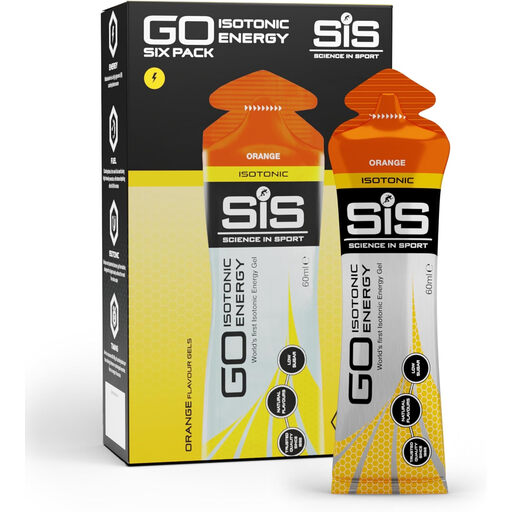
Why This Fits Their Persona: Ready-to-use 60ml sachets suit runners, cyclists and gym users who want portioned energy without mixing powder.
The label states 22g carbohydrate and 87kcal per 60ml serving, making the fuel content clear rather than relying on general energy wording.
Portable squeeze format; orange flavour; zero fat and zero protein per serving.
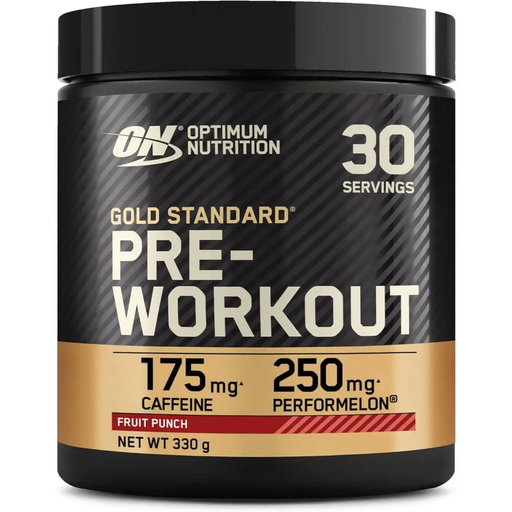
Why This Fits Their Persona: Suits adult gym-goers who prefer a measured powder combining caffeine with creatine and beta-alanine before training.
The per-serving panel identifies 175mg caffeine, 3.4g creatine monohydrate and 1.5g beta-alanine, allowing clearer comparison.
One-serving daily limit; vegetarian-compatible formula; mixes with 350ml water.
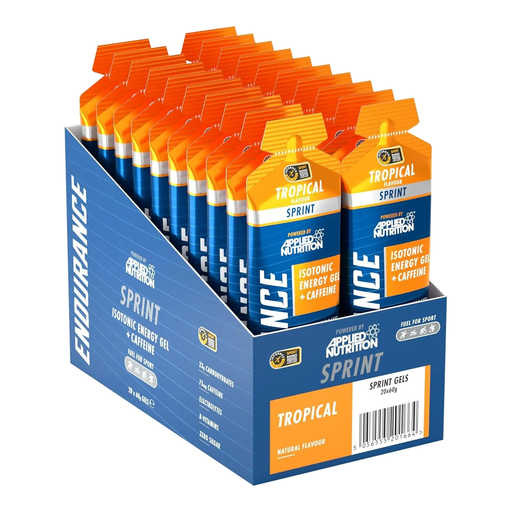
Why This Fits Their Persona: Designed for endurance runners and cyclists who need a compact carbohydrate, caffeine and electrolyte format during activity.
Each 60g gel lists 23.1g carbohydrate, 75mg caffeine, 78.7mg sodium and 100mg magnesium.
No water is required for consumption; zero sugar; supplied in a 20-pack.
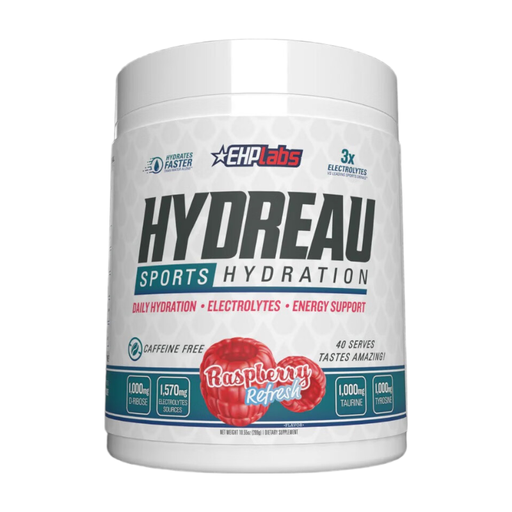
Why This Fits Their Persona: Suitable for active adults prioritising hydration and a low-calorie drink rather than a high-carbohydrate energy product.
The nutrition panel lists 15kcal and 2.5g carbohydrate per serving, so it is not mistaken for a full fuelling product.
40 servings; 200mg sodium, 80mg magnesium and 64mg potassium per serving.
No. Short, low-intensity sessions may not require a supplement. Longer or demanding exercise may benefit from planned carbohydrate intake, while caffeine-containing products are a separate choice. Select according to duration, intensity, sweat levels and your normal diet.
You can, but calculate the combined caffeine, carbohydrate and sodium intake. A gel containing caffeine should not be stacked automatically with a caffeinated drink or pre-workout powder. Follow each product’s instructions and maintain suitable fluid intake.
Most powders, capsules, drinks and gels should be kept in a cool, dry place away from heat, moisture and direct sunlight. Check the best-before date and inspect packaging before use. Always follow the current label, as formulations, serving advice and allergen information can change.