
24/7 Customer Support

Free returns

Same-day & Next-day Delivery

Quality Guaranteed

Unlock Your Welcome Offers: FREE Delivery | Up to 80% OFF | Free 30-day JoyPlus trial
Download the APP
Energy supplements come in many forms, from canned energy drinks and pre-workout energy drinks to energy powder, capsules and effervescent tablets. The right choice depends on whether you need caffeine, workout fuel, hydration, mental alertness or a convenient way to supplement specific nutrients.
However, attractive packaging and phrases such as “natural energy” can make comparisons difficult. Before buying, focus on the figures and ingredients that affect how a product fits your routine.
A sugar-free energy drink can still contain a substantial amount of caffeine. For example, the listed Red Bull Sugarfree 250ml can contains 80mg of caffeine, despite having 0g of sugar and approximately 8 calories.
This may suit someone seeking low-calorie alertness, but it is not appropriate for people avoiding stimulants. Check both the caffeine amount per serving and the recommended daily intake. Remember to include coffee, tea, cola, pre-workout products and caffeine supplements in your total.
Vitamin B complex products support normal energy-yielding metabolism, but they are not equivalent to a high-caffeine drink. Ingredients such as vitamin B12, niacin and vitamin B6 may be useful when your diet or intake requires additional support, but they should not be treated as a replacement for sleep, food or medical advice.
A product with a long ingredient list is not automatically more suitable. Look for clear quantities, sensible serving instructions and a format you will use consistently.
Caffeine may support alertness, while carbohydrate powder provides a source of training fuel. Electrolyte tablets are designed to add minerals to water, not to replace a meal or provide substantial calories. A thermogenic fat burner also has a different purpose from a general energy supplement.
Buying according to the occasion helps prevent wasted money. A commuter may prefer a compact effervescent tablet, while someone completing a long training session may need carbohydrate powder and hydration support.
For healthy adults, the UK Food Standards Agency commonly references up to 400mg of caffeine per day as an amount unlikely to cause negative effects for most people. The recommended limit during pregnancy is 200mg per day. Individual sensitivity varies, so a lower amount may be more appropriate.
Check:
The Applied Nutrition ABE products list approximately 200mg of caffeine per 330ml can, making them more suitable for adults who already understand their caffeine tolerance than for casual users.
Sugar-free energy drinks can help reduce sugar intake, but sweeteners may still be present. Conversely, carbohydrate powder may contain no sugar while still providing a significant amount of carbohydrate.
Applied Nutrition Carb X provides 24g of carbohydrate per 25g serving, with 95 calories and 0g of sugar. This can be practical for training fuel, but it is not a zero-calorie product. Compare the nutrition panel with your goals rather than relying on front-of-pack wording.
For workout energy support, consider whether the product provides useful amounts of sodium, potassium, magnesium and calcium. Applied Nutrition Effervescent Electrolyte Tablets provide 332mg sodium, 300mg potassium, 100mg calcium and 50mg magnesium per tablet, with 7 calories and no sugar.
Also check vegan, vegetarian, gluten-free and allergen information. Capsule shells may contain gelatin, while powders and tablets can include sweeteners, milk, soya or other traces. Always read the current label before purchase, particularly if you have allergies or follow a restricted diet.
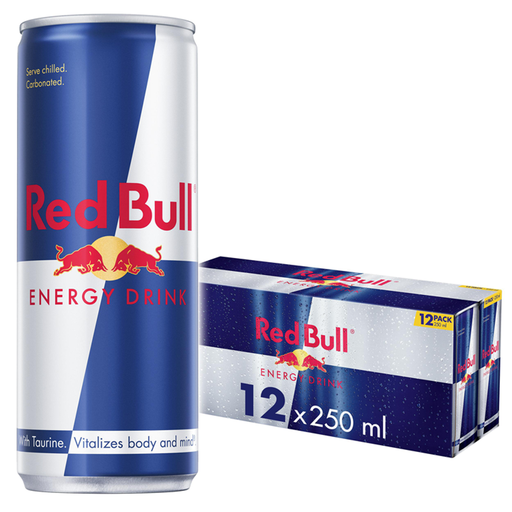
Why This Fits Their Persona: A familiar ready-to-drink option for busy UK days, commuting or occasional study sessions, with 12 individually sized 250ml cans.
The serving size and nutrition panel are straightforward, making it easier to track 80mg caffeine and 28g sugar per can.
Ready to drink; vegetarian and vegan suitable according to the listing; compact 250ml format.
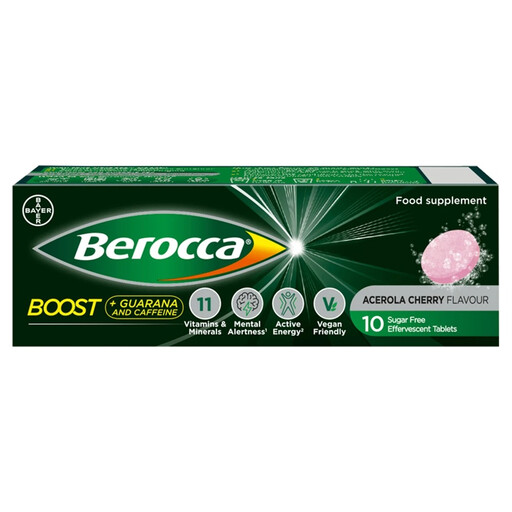
Why This Fits Their Persona: Suitable for adults wanting a measured, low-calorie drink format for morning or early-afternoon alertness.
It clearly states 75mg caffeine per tablet, rather than leaving the stimulant quantity unclear.
11 listed vitamins and minerals; sugar-free, vegan-friendly and approximately 2 calories per tablet.
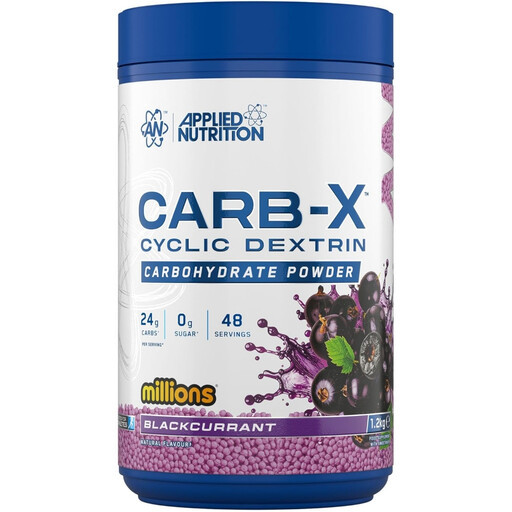
Why This Fits Their Persona: A practical option for adults doing longer or more demanding training sessions who need measured carbohydrate powder rather than caffeine.
The serving provides a stated 24g carbohydrate amount, so it is not confused with a zero-calorie energy drink.
24g carbohydrate per 25g serving; 1.2kg pack; listed as vegan, vegetarian, gluten-free and Halal suitable.
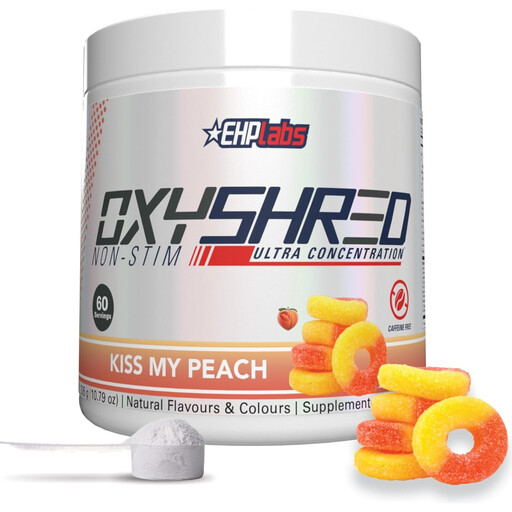
Why This Fits Their Persona: Designed for adults seeking a caffeine-free powder format, including people who train later in the day or limit conventional caffeine products.
The listing identifies it as non-stim and caffeine-free; however, it contains theacrine, so the ingredient list should still be checked carefully.
60 servings; approximately 4 calories per serving; includes vitamin C and B vitamins.
We have compiled a complete, real-time list of products that fully satisfy these strict selection criteria and UK safety regulations.
Some can be used according to their label, but suitability depends on caffeine, nutrient levels and your personal circumstances. Avoid combining several stimulant products without calculating the total caffeine. Food supplements should complement a varied diet and healthy lifestyle.
Effervescent tablets and single-serve sachets are convenient for travel, while cans need no preparation. Large tubs of energy powder can offer more servings but require a shaker, accurate measuring and suitable storage.
Choose caffeine when alertness is your primary goal and you tolerate it well. For late training, caffeine sensitivity or a preference for non-stimulant options, consider caffeine-free powders, vitamin B complex products or electrolyte tablets. If persistent fatigue continues, speak with a qualified healthcare professional rather than increasing supplement intake.