
24/7 Customer Support

Free returns

Same-day & Next-day Delivery

Quality Guaranteed

Unlock Your Welcome Offers: FREE Delivery | Up to 80% OFF | Free 30-day JoyPlus trial
Download the APP
Whether you want to build your own V8 engine, introduce a child to mechanical principles or complete a cleaner oil change at home, the right product depends on how it will be used. Engine model kits and an oil extractor pump serve very different purposes, yet both are often marketed with impressive-sounding features that may not match your needs.
Joybuy Product Recommendation Officer guidance focuses on practical details: what moves, what fits, what is included and where buyers may encounter avoidable limitations.
Some engine models are designed mainly for display, with fixed components and limited interaction. If your aim is to understand the four-stroke cycle, look for moving pistons, crankshaft and valves, as well as clear instructions for assembly. A transparent casing can also make the internal action easier to observe once the model is running.
Check whether the kit is motorised or manually operated, and confirm the required batteries. A product that needs three AA batteries, for example, may not include them in the box.
A mechanical building kit with small precision parts can offer useful hands-on learning, but it may be unsuitable for younger children or independent play. Check the stated age guidance, component size and whether adult supervision is recommended.
The Machine Works V8 model is suitable for ages 10 and over and includes a small-parts warning. The four-cylinder kit is also intended for children from age 10. These details matter for households planning a STEM activity, particularly where younger siblings may be present.
A 200cc fluid suction pump can be convenient for small top-up or extraction tasks, but capacity is not the same as vehicle compatibility. Before buying an engine oil change pump, check:
A compact pump may be useful for motorbikes, ATVs, agricultural equipment and some automotive systems, but it should not be treated as a universal replacement for workshop equipment.
For a 4-cylinder engine model kit or V8 kit, examine the parts that visibly demonstrate engine operation. Piston movement, valve timing and crankshaft rotation provide more practical learning value than decorative detailing alone.
A transparent engine case is particularly useful for children, parents and educators because it allows the mechanism to be viewed while operating. If the model includes lights or sound, consider these supporting features rather than the main reason to buy.
Glue-free construction can make a kit easier to assemble and less messy for home use. However, the instruction quality still matters. Look for a numbered manual, labelled parts and a clear sequence that reduces the chance of forcing components together.
The V8 model includes more than 250 precision parts, a Haynes-endorsed manual and an augmented reality app with 3D animations and technical descriptions. These additions may suit learners who want to connect physical assembly with digital explanations.
For an engine oil extractor, the stated 200cc capacity indicates how much liquid the cylinder can hold per filling cycle. A transparent cylinder with volume markings helps you monitor the amount extracted.
Also check for:
A brake fluid extractor should be kept clean and used carefully. Mixing old brake fluid, engine oil and other liquids can contaminate the equipment and create disposal issues. Always work with the engine or fluid at a safe temperature, wear suitable gloves and follow the vehicle manufacturer’s maintenance instructions.
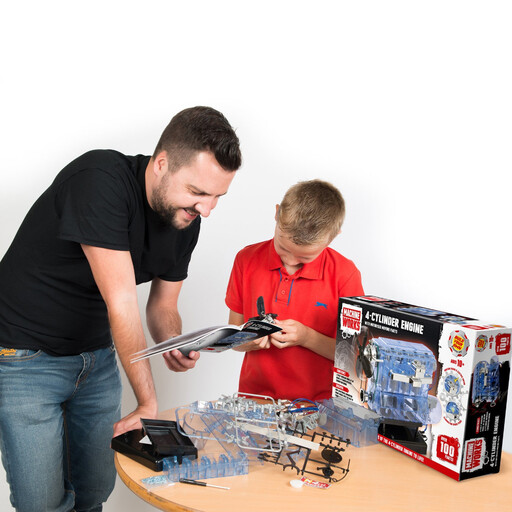
Why This Fits Their Persona: A straightforward entry point for children aged 10 and over, families and beginners who want hands-on mechanical learning without batteries.
It is presented as a working model with visible piston movement and linkage, rather than only a static display piece. The included instruction guide supports step-by-step assembly.
No batteries are required; precision-made parts demonstrate mechanical linkage and piston movement after assembly.
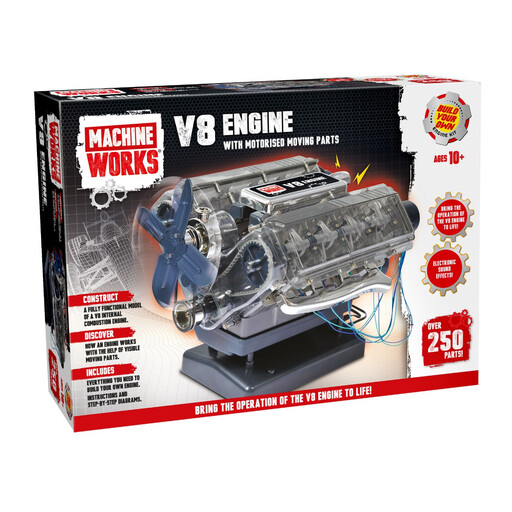
Why This Fits Their Persona: Suitable for automotive enthusiasts, aspiring engineers and hobbyists who want a larger display model with additional interactive features.
The clear case makes the piston, crankshaft and valve action visible. It is a motorised 1:4-scale replica, so buyers can distinguish it from a non-moving ornamental model.
Includes over 250 parts, an electronic sound module, illuminated spark plugs, a detailed manual and an augmented reality app.
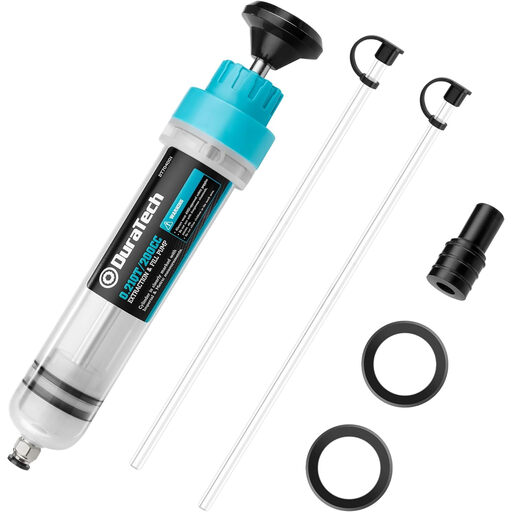
Why This Fits Their Persona: A practical choice for DIY mechanics and vehicle owners handling smaller fluid extraction jobs around the home, garage or workshop.
The transparent 200cc cylinder has volume markings, while the auto-locking hose connection helps reduce accidental tube movement during extraction.
Compatible with 7mm and 8mm PU tubes; suitable for extracting engine oil, gear oil and brake fluid in stated applications.
We have compiled a complete, real-time list of products that fully satisfy these strict selection criteria and UK safety regulations.
No. These are educational and display models designed to demonstrate mechanical principles. They do not generate power for a vehicle and should not be connected to automotive systems. Assemble them according to the supplied instructions and keep small parts away from children below the stated age.
Replacement depends on seal condition, fluid compatibility, storage and frequency of use. Inspect the cylinder, piston, hoses, caps and connectors before each job. If the pump develops leaks, the piston no longer creates suction or the hose connection becomes unreliable, replace the affected component or the pump rather than continuing to use it.
A pump may be listed for both applications, but it should be thoroughly cleaned and checked for compatibility before changing fluid types. Brake fluid must not be contaminated with oil or cleaning residue. Use separate hoses or dedicated equipment where possible, follow the vehicle manufacturer’s procedure and dispose of used fluids through an appropriate UK recycling or waste facility.