
24/7 Customer Support

Free returns

Same-day & Next-day Delivery

Quality Guaranteed
Download the APP
Categories
For many of us in the UK, the day doesn't truly begin until we've had a proper cup of tea. The ritual of brewing a strong, comforting mug of English breakfast tea is a cornerstone of the British morning. But with so many brands on the shelf, each promising a superior experience, choosing the right one can feel overwhelming.
This guide is designed to cut through the clutter. As a Joybuy Product Recommendation Officer, my role is to provide clear, practical advice to help you find a tea that suits your taste and routine. We will explore what makes a quality blend and highlight a few standout options available for your daily ritual.
Navigating the world of tea can be simple when you know what to look for. Here are a few key points to consider when selecting your next box of English breakfast tea.
A classic English breakfast tea is not from a single source. It is a carefully balanced blend of different black tea varieties. Traditionally, this includes:
A well-crafted blend harmonises these elements to create a rich, satisfying and balanced full-bodied black tea that is perfect for your morning tea.
The format of the tea leaves significantly impacts the final taste. Most tea comes in one of these forms:
For a consistently smooth and flavourful experience, look for products that specify the use of whole or high-quality broken leaves.
For many tea drinkers, the story behind the cup is as important as the taste. Certifications can provide assurance about how the tea was grown and sourced.
Choosing products with these labels can be a way to support sustainable and ethical practices within the tea industry.
Based on their blend, quality and overall character, here are three excellent options to consider for your daily brew.
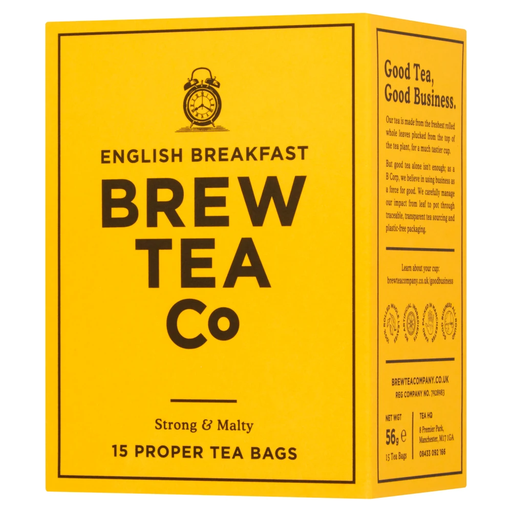
Why It Stands Out: Brew Tea Co focuses on quality leaves. This blend uses rolled whole leaves—a blend of Assam and Ceylon—in roomy tea bags, which allows them to unfurl properly and release their full, complex flavour. The result is a classic, robust brew that is noticeably smoother than many standard offerings.
Pros:
Who is it for? This is an ideal choice for the tea drinker who appreciates the quality of loose-leaf tea but prefers the convenience of a tea bag.
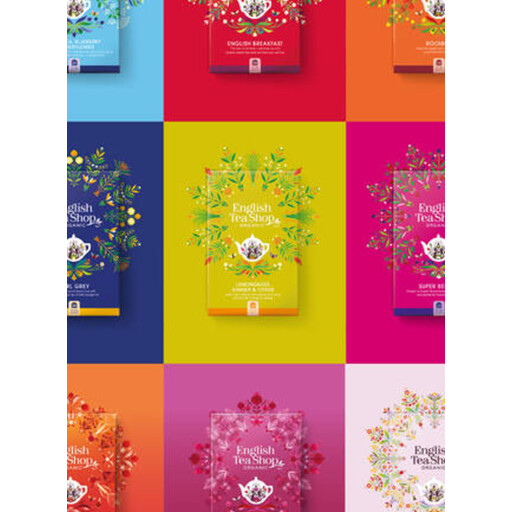
Why It Stands Out: This tea stands out for its commitment to both quality and ethics. It is made from 100% certified organic Ceylon black tea and carries the Fairtrade certification. The flavour profile is pure and vibrant, showcasing the bright, floral notes characteristic of high-quality Ceylon tea.
Pros:
Who is it for? Perfect for the ethically-conscious consumer who wants a certified organic tea without compromising on a classic, refreshing taste.
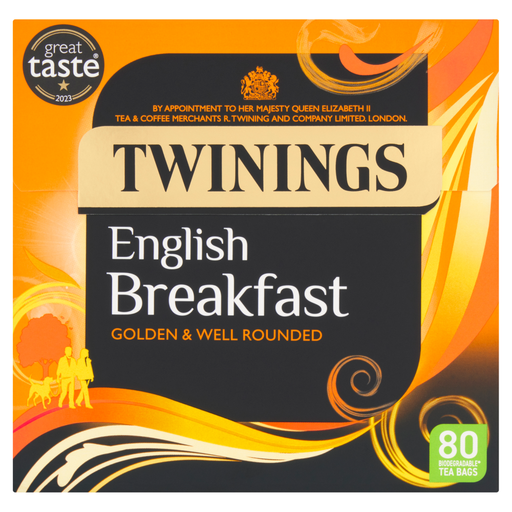
Why It Stands Out: Twinings is a household name for a reason. This English Breakfast blend delivers the dependable, bold and satisfying flavour that millions rely on every day. Sourced primarily from Assam, it offers a consistently full-bodied taste. The larger pack size also provides excellent value for daily tea drinkers.
Pros:
Who is it for? The daily tea drinker who values consistency, tradition and good value from a brand with a long-standing heritage.
While these three selections represent some of the fine choices available, the world of tea is vast. If you are looking for a different blend, a loose-leaf variety or simply wish to browse more options, our full collection offers something for every palate.
Discover more in our English Tea category.
1. What is the difference between English, Irish, and Scottish breakfast teas? While all are strong black tea blends, they differ in their composition and strength. English Breakfast is typically a balanced blend of Assam, Ceylon and sometimes Kenyan teas. Irish Breakfast usually contains a higher proportion of Assam, making it more robust and malty. Scottish Breakfast is generally the strongest of the three, designed to stand up to Scotland's soft water, often with a smoky hint.
2. Can you drink English breakfast tea without milk? Absolutely. A high-quality English breakfast tea should be smooth and flavourful enough to be enjoyed on its own. The addition of milk is a traditional preference to soften the tea's natural briskness and create a creamier texture, but it is entirely up to you.
3. How much caffeine is in a cup of English breakfast tea? An average 230ml cup of English breakfast tea typically contains between 40 and 70 milligrams of caffeine. The exact amount can vary depending on the specific blend, the size of the leaf, how long you steep it and the water temperature. It generally contains about half the caffeine of a similar-sized cup of coffee.