
24/7 Customer Support

Free returns

Same-day & Next-day Delivery

Quality Guaranteed

Unlock Your Welcome Offers: FREE Delivery | Up to 80% OFF | Free 30-day JoyPlus trial
Download the APP
For many of us in the UK, the day doesn't truly begin until we've had a proper cup of tea. The ritual of brewing a robust English breakfast tea is a cherished part of our morning routine. Yet, navigating the tea aisle can be surprisingly complex. With so many options, it's easy to fall for marketing hype and end up with a disappointing brew.
As a Joybuy Product Recommendation Officer, my role is to help you sidestep these common issues. We'll look past the fancy packaging and focus on what truly makes a great cup of tea, ensuring your money is well spent on a product that enhances your daily ritual, rather than detracts from it.
Before you buy your next box of tea, be aware of these frequent pitfalls that can lead to a subpar experience:
To ensure you're choosing a quality product, focus on these key factors. They are the non-negotiables for a satisfying and safe tea experience.
The most crucial factor in the taste of your tea is the leaf itself. Instead of settling for dust, look for products that use whole or large-cut leaves. These release their flavour more slowly and evenly, resulting in a more nuanced and balanced cup.
The classic English breakfast tea is a blend, and the components matter. The two most important are:
A quality blend will often specify its use of Assam and Ceylon tea, giving you a clear indication of the intended flavour profile. Whether you prefer loose-leaf or breakfast tea bags, this information is a hallmark of a more considered product.
For any accessory that comes into contact with your beverage, from a breakfast cup to a matcha set, material safety is paramount. Always check that ceramic items are certified as lead-free and cadmium-free. For bamboo tools, such as matcha whisks (chasen), look for those made from natural bamboo without chemical lacquers. This not only ensures your safety but also speaks to the overall quality and durability of the product.
When purchasing a tea gift set, look beyond aesthetics. A truly thoughtful gift is one that is immediately usable. A good set, particularly for something like matcha, should be comprehensive. It should include not just the bowl and whisk, but also the supporting tools like a scoop (chashaku), a whisk holder to maintain its shape and a sifter to ensure a clump-free powder. This completeness transforms it from a decorative object into a functional kit for a new hobby.
Based on these practical criteria, here are a few recommendations tailored to different tea drinkers' needs.
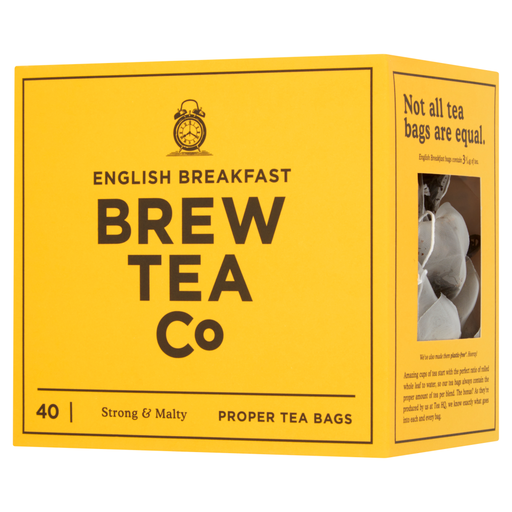
Why This Fits Their Persona: Perfect for the person who starts every day with a proper brew. This provides a consistent, high-quality cup without the fuss, using rolled whole leaves for a superior flavour that holds up well with milk.
It directly counters the "tea dust" pitfall. Each bag contains a generous 3.75g of rolled leaves, not dust, ensuring a full-bodied, complex flavour rather than a bitter one.
The blend of Assam and Ceylon is clearly stated, delivering a reliably malty and balanced classic. The generous portion of tea per bag provides excellent value and flavour.

Why This Fits Their Persona: For those curious about the world of matcha, this provides everything needed to start. It's a complete, functional kit for preparing everything from a traditional ceremonial tea to a modern matcha latte.
This set avoids the unsafe accessory trap by using lead-free and mercury-free ceramic. The bamboo whisk is handcrafted, offering better performance and durability than cheap, mass-produced alternatives.
It's a comprehensive 7-piece set, including a sifter and whisk holder. The bowl's pouring spout is a practical feature for sharing or making lattes.

Why This Fits Their Persona: For those who love a classic breakfast tea but enjoy a creative twist. This blend offers the familiar robust base of a breakfast tea with a bright, zesty lift from real lemon.
It avoids the vague description trap by being transparent with its ingredients. The flavour comes from actual lemon peel (4%) and lemon oil (3%), not ambiguous "natural flavourings."
This tea provides a refreshing, citrusy alternative to a standard breakfast blend while still using a quality Assam and Ceylon base. It's strong, refreshing and versatile.
We have compiled a complete, real-time list of products that fully satisfy these strict selection criteria and UK safety regulations.
What is the difference between English, Irish, and Scottish breakfast tea? While all are robust black tea blends, they differ in strength. English breakfast is typically a balanced blend of Assam, Ceylon and sometimes Kenyan teas. Irish breakfast usually has a higher proportion of Assam, making it stronger and maltier. Scottish breakfast is often the most potent of all, blended specifically to be enjoyed with Scotland's soft water.
How long do black tea bags stay fresh? While black tea bags don't spoil, they do lose their aroma and flavour over time. For the best experience, it's advisable to use them within 6-12 months of purchase. To maintain their freshness, store them in an airtight, opaque container away from direct sunlight, heat and moisture.
Can I use a regular cup and fork to make matcha? You can, but you are unlikely to achieve the desired result. A proper matcha set includes a bamboo whisk (chasen) specifically designed with fine tines to aerate the tea, break up clumps and create the signature smooth, frothy layer. Using a fork or metal whisk typically leaves clumps and fails to produce the same authentic texture and taste.