
24/7 Customer Support

Free returns

Same-day & Next-day Delivery

Quality Guaranteed

Unlock Your Welcome Offers: FREE Delivery | Up to 80% OFF | Free 30-day JoyPlus trial
Download the APP
Buying engraving machines and craft tools can be confusing. Product listings often highlight speed, power and large accessory bundles, but these figures do not always tell you whether a tool suits your materials, workspace or legal responsibilities in the UK.
Three common buying pitfalls deserve attention:
For seasonal shoppers, a different issue applies: decorative products can look attractive online but arrive with unclear dimensions, hanging arrangements or finish details. Check the product photographs, listed quantity and intended use before ordering Christmas tree hanging ornaments.
A metal and wood engraving machine is not automatically suitable for every type of metal or wood. Diode lasers are commonly selected for wood, leather and some coated or painted materials, while infrared or fibre systems are more appropriate for certain metal-marking applications. A dual laser engraver combines different laser sources, but you should still confirm the supported materials and recommended settings.
For small decorative projects, a DIY craft engraving tool or rotary tool may be more practical. Rotary accessories can grind, polish, drill and carve, but the result depends on bit quality, speed control and steady hand movement.
Laser power affects the machine’s ability to mark or cut particular materials, but it is not the only useful specification. Check:
A compact or portable laser engraver may suit markets, workshops with limited bench space or on-site personalisation. However, portability does not remove the need for suitable ventilation, shielding and safe operating procedures.
For rotary tools, verify the collet size before buying additional bits. The Fanttik F2 Master, for example, accepts 3/32-inch (2.3 mm) accessories, so larger or smaller attachments may not fit securely.
For laser equipment used commercially, read the safety documentation before purchase. Check whether the setup requires an enclosure, extraction, fire precautions, protective eyewear or controlled access. UK businesses should complete an appropriate workplace risk assessment and follow the manufacturer’s instructions. Also confirm applicable conformity marking, electrical information, waste obligations and support arrangements for the product supplied to your location.
The xTool F2 and xTool F1 Ultra product listings state that they are intended only for professional commercial material processing, not private consumer use. Buyers should have the relevant knowledge, qualifications and safety arrangements before ordering.
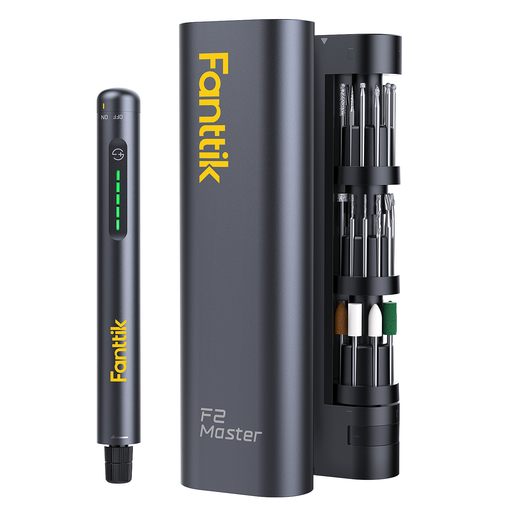
Why This Fits Their Persona: A compact cordless option for UK DIY crafters, 3D-print finishing and small carving, sanding or polishing tasks without installing a laser workstation.
Five speed settings and a stated 2.3 mm collet make the tool’s intended use clearer than an unspecified accessory bundle.
Up to 25,000 RPM, USB-C charging, 35 listed accessories and a lightweight 0.22 lb design.
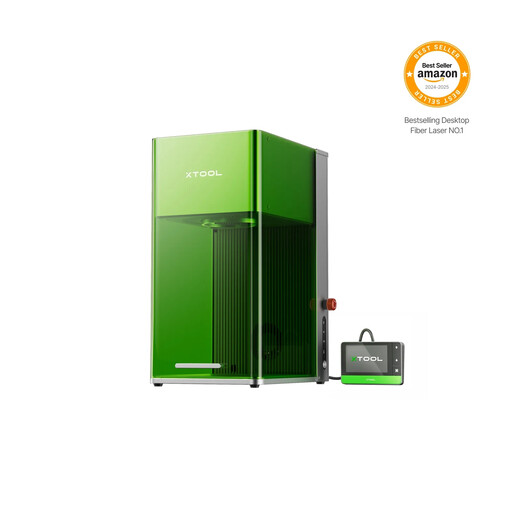
Why This Fits Their Persona: A commercial option for jewellery makers and workshops handling both metal and wood projects, including repeat personalisation.
Its fibre and diode configuration is specified for different material categories, rather than relying on one laser source for every job.
Listed 20W fibre and 20W diode sources, smart camera functions, batch positioning and 3D engraving capability.
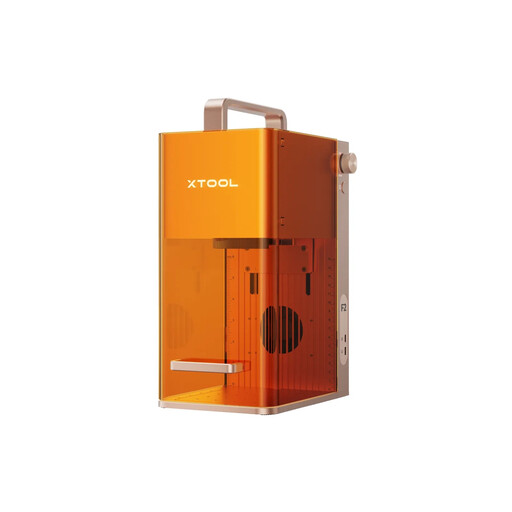
Why This Fits Their Persona: Designed for certified professional users who need a desktop system for commercial material processing, small-batch work or on-site applications.
The listing clearly identifies professional-only use and directs buyers to safety and setup documentation before operation.
Listed 5W IR and 15W diode sources, a 50MP camera, 6,000 mm/s stated speed and vertical handheld engraving capability.
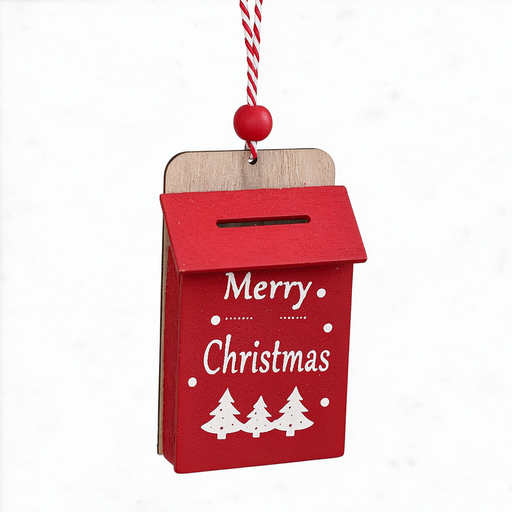
Why This Fits Their Persona: A ready-made option for shoppers decorating a Christmas tree, preparing party supplies or assembling small festive gift packages.
The listing identifies a two-piece set and its hanging-decor purpose, helping buyers check quantity before ordering.
Engraved wooden design, hanging format and suitability for Christmas tree or party decoration.
We have compiled a complete, real-time list of products that fully satisfy these strict selection criteria and UK safety regulations.
Often, yes. Engraving can produce smoke, fumes and airborne particles depending on the material. Use the manufacturer’s guidance, suitable ventilation or extraction and a controlled workspace. Never process an unknown material without checking its composition and safety information.
They can have lower initial setup requirements, particularly for occasional DIY work, but running costs depend on replacement bits, charging, dust control and workload. A laser may be more suitable for repeat marking, while a rotary tool offers hands-on flexibility for polishing, carving and finishing.
Lifespan depends on operating hours, storage, cleaning, consumable replacement and whether the machine is used within its specified material limits. Before buying, check warranty terms, spare accessory availability, software support and maintenance instructions rather than relying only on the advertised power rating.