
24/7 Customer Support

Free returns

Same-day & Next-day Delivery

Quality Guaranteed

Unlock Your Welcome Offers: FREE Delivery | Up to 80% OFF | Free 30-day JoyPlus trial
Download the APP
Buying envelopes and mailing bags can seem straightforward until documents arrive creased, parcels become damp or a supposedly convenient seal fails. UK households, offices, schools, online sellers and crafters often pay more than necessary because packaging is selected by appearance or price alone.
Three common purchasing traps are worth avoiding:
The right choice depends on what you are sending, how much protection it needs and how frequently you post.
Envelope sizes follow practical paper formats:
Measure the complete contents, including inserts, before ordering. For photographs, artwork or card-making projects, allow enough space to avoid bending corners or compressing embellishments.
Paper weight is expressed in gsm, or grams per square metre. A 90gsm envelope is suitable for everyday letters and statements, while heavier paper can provide a firmer feel.
For flat items that must remain crease-free, a board-backed envelope is more appropriate than a standard paper wallet. For example, a 120gsm kraft front combined with a 1000-micron board back gives documents a rigid support surface. Look for a visible “Please Do Not Bend” message when the contents could be damaged by postal handling.
Manilla envelopes are practical for paperwork, photos and artwork, while standard white envelopes can offer a cleaner presentation for business correspondence. A smooth surface also makes it easier to handwrite an address or apply a printed label.
Self-seal envelopes use an adhesive strip, avoiding the need for water, glue or extra tape. They are useful for offices, schools and home administration, particularly when preparing a large batch of mail.
For confidential items, choose security envelopes with an opaque internal tint or pattern. Window envelopes can save time when sending invoices or letters with a correctly positioned address, but check that the window aligns with your document layout.
For clothing, soft goods and non-fragile retail orders, recycled mailing bags, grey mailing bags and poly mailers offer a lightweight alternative to cartons. A waterproof outer layer helps protect against rain, but it does not replace cushioning for fragile items. A tamper-evident mailing bag should show visible damage when opened, helping the recipient identify interference.
When sustainability is important, check the actual material and disposal guidance. Recyclable envelopes and recycled LDPE mailing bags can reduce reliance on virgin material, but local recycling facilities may have different collection rules. Remove labels where required and follow the packaging instructions.
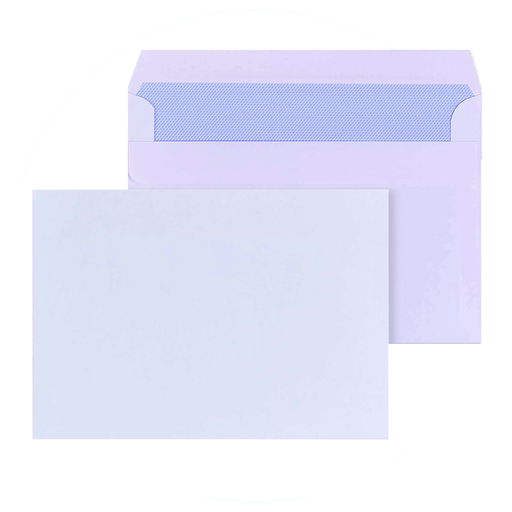
Why This Fits Their Persona: A practical pack for households, students and small offices sending occasional letters, invoices or folded notes.
The C6 format is clearly specified, while the self-seal strip avoids unreliable glue or moisture-based closures.
90gsm paper, security-patterned interior, printer compatibility and a 20-envelope pack.
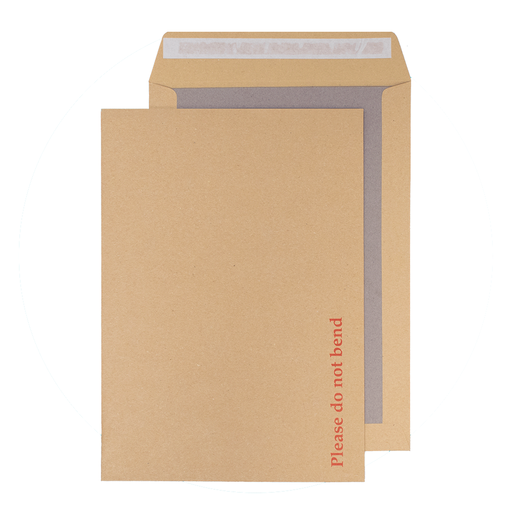
Why This Fits Their Persona: Suitable for people sending certificates, photographs, artwork or important A4 documents that should remain flat.
The rigid board back addresses the risk of creasing that a standard paper envelope cannot prevent.
C4 format, 120gsm kraft front, 1000-micron board back and peel-and-seal closure.
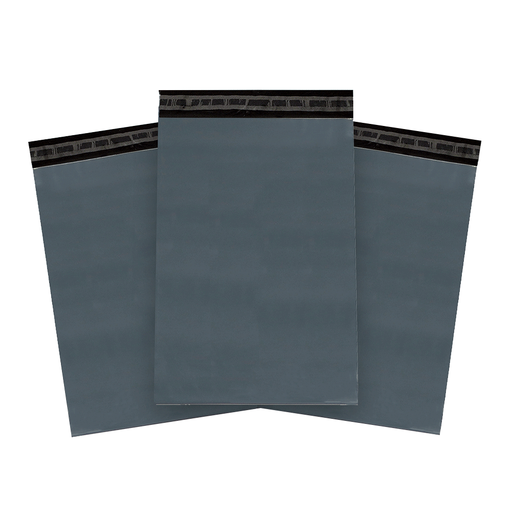
Why This Fits Their Persona: A high-quantity option for online sellers, retailers and dispatch teams posting small, non-fragile products regularly.
The opaque inner layer protects privacy, while the tear-open seal makes visible resealing difficult.
55-micron, three-layer recycled LDPE film; 250 × 350mm size; 1000 bags per pack; recyclable Code 4 LDPE.
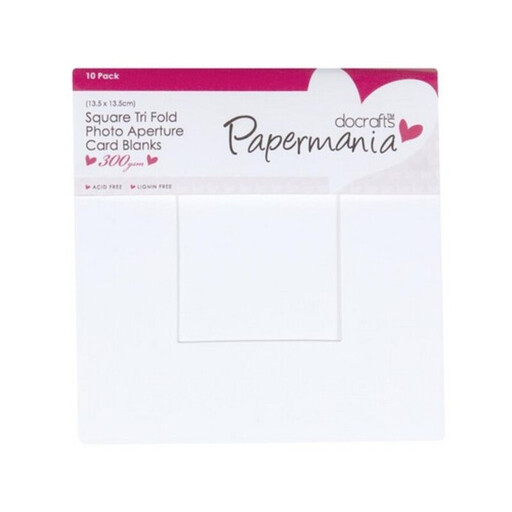
Why This Fits Their Persona: Designed for handmade greetings cards, invitations, scrapbooking projects and personalised event stationery.
The matching envelopes remove the guesswork of finding a suitable size for decorated square cards.
Ten 300gsm pre-scored tri-fold cards, square aperture windows and ten matching envelopes.
We have compiled a complete, real-time list of products that fully satisfy these strict selection criteria and UK safety regulations.
Yes, provided the contents are within the stated size and the flap is pressed firmly across its full width. Store them in a cool, dry place, as heat and moisture can affect adhesive performance. For confidential paperwork, choose a security-tinted interior rather than plain paper.
The terms are often used interchangeably. A poly mailer is generally a lightweight polythene mailing bag with an adhesive closure. Check the film thickness, dimensions, opacity and seal type rather than relying on the name alone. Waterproof mailing bags are suitable for non-fragile products, but delicate items still need internal padding.
Compare the cost per usable item, not just the pack price. Larger packs can reduce the unit cost for frequent sellers, while correctly sized envelopes may help avoid unnecessary postage. Do not select a bag so small that it needs overfilling or a size so large that contents move around during transit.