
24/7 Customer Support

Free returns

Same-day & Next-day Delivery

Quality Guaranteed

Unlock Your Welcome Offers: FREE Delivery | Up to 80% OFF | Free 30-day JoyPlus trial
Download the APP
Choosing envelopes and mailing bags is not simply a matter of picking the lowest pack price. The wrong size can increase postage costs, an unsuitable closure may fail in transit and insufficient protection can leave documents or products creased, wet or exposed.
This guide explains the key specifications to check before buying, from security envelopes and self-seal envelopes to protective mailing bags and card-making sets.
A mailing bag or envelope needs enough internal space for its contents, including any padding. Product dimensions may refer to the external size, so allow room for folded edges, garments, bubble wrap or rigid inserts.
For paper correspondence, standard formats are useful:
A close-fitting envelope can be difficult to seal, while an oversized one may allow contents to move during handling.
Basic gummed closures may require moisture or additional adhesive. Self-seal envelopes use an adhesive strip, making them more practical for offices, schools and home users preparing several items.
For commercial dispatch, look for a peel-and-seal strip with a clear tamper-evident function. Many mailing bags use a tear-open adhesive closure: once opened, the bag cannot be resealed in its original condition. This can help identify interference, but it does not replace suitable packing or secure storage.
Terms such as “eco-friendly” do not explain what a product is made from or how it should be disposed of. Check for measurable information, such as recycled content, paper certification, recyclable material codes and separation guidance.
Paper options may include PEFC-certified stock or recycled kraft material. Recyclable polythene mailing bags may carry Code 4 LDPE identification, although local recycling arrangements can vary. Check your council or commercial waste provider before placing packaging in household recycling.
Use ordinary paper envelopes for letters, invoices and statements. For confidential correspondence, a security tint or internal pattern can obscure the contents. A window envelope may save time when addresses are printed on documents, but check that the window aligns with your printer format and mailing layout.
For flat items that must remain crease-free, choose board-backed envelopes or manilla envelopes with a rigid insert. A 1,000-micron board back, for example, provides substantially firmer support than paper alone.
For small fragile products, padded bubble envelopes combine a paper or kraft outer with an air-filled lining. These can help cushion against knocks, although delicate or high-value items may still require additional internal protection.
Self-seal and peel-and-seal closures reduce preparation time. Press the flap firmly across its full width and avoid sealing when the adhesive or paper is damp. Store unused packs in a cool, dry place.
Mailing bags are generally suitable for clothing, soft goods and non-fragile retail orders. Their waterproof outer can provide resistance to rain and dirt, but a mailing bag is not a substitute for a box when the contents can break, bend or be crushed.
Compare the cost per usable item, not just the pack price. Occasional home users may prefer packs of 10 or 20, while offices and online retailers may reduce replenishment time with envelopes in bulk.
Before ordering, calculate:
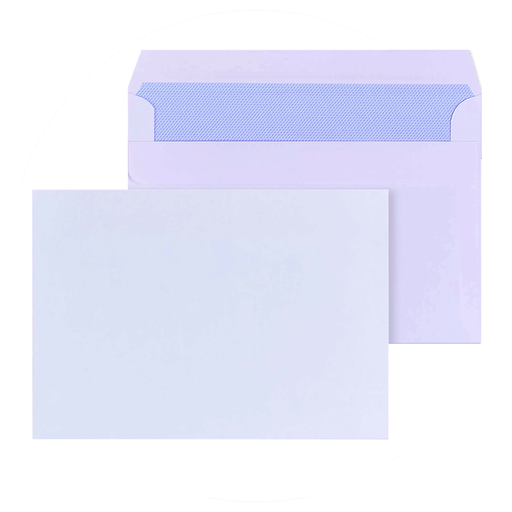
Why This Fits Their Persona: A practical pack size for home users, small offices and occasional correspondence requiring compact C6 envelopes.
The 114 × 162mm format and self-seal strip make the intended document size and closure method clear before purchase.
90gsm paper, blue internal security tint, recyclable paper and PEFC certification.
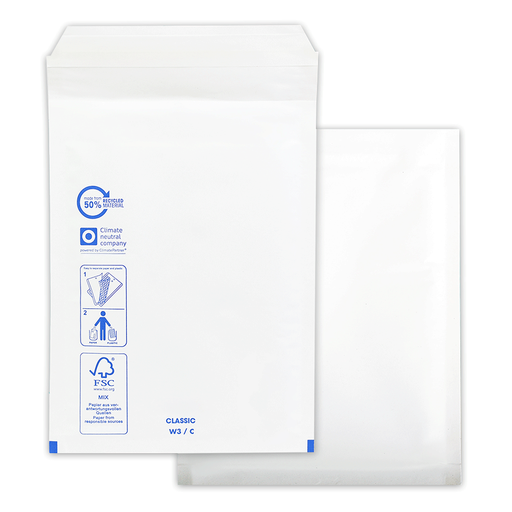
Why This Fits Their Persona: Suitable for users sending small fragile items, electronics accessories, jewellery or products needing cushioning without a rigid box.
The padded lining addresses the common mistake of using a plain envelope for items exposed to knocks and vibration.
75gsm FSC-graded kraft outer, LDPE bubble lining, 10mm sealed seams and 50% recycled content.
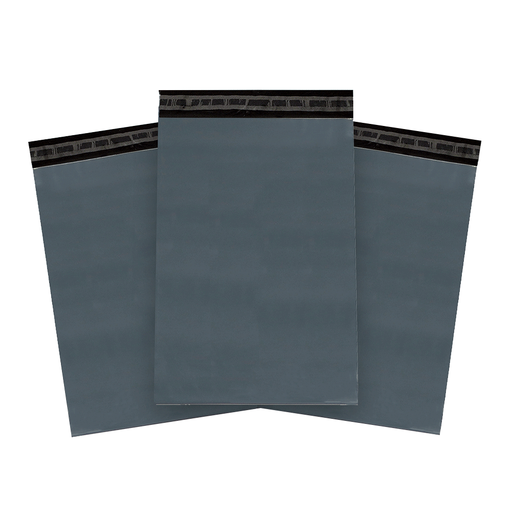
Why This Fits Their Persona: A high-volume option for e-commerce retailers, fulfilment teams and commercial mailing operations dispatching soft goods regularly.
The opaque construction and tamper-evident tear seal avoid relying on thin, transparent or easily resealed packaging.
55-micron, three-layer recycled LDPE film; 250 × 350mm size; fully opaque and recyclable as Code 4 LDPE.
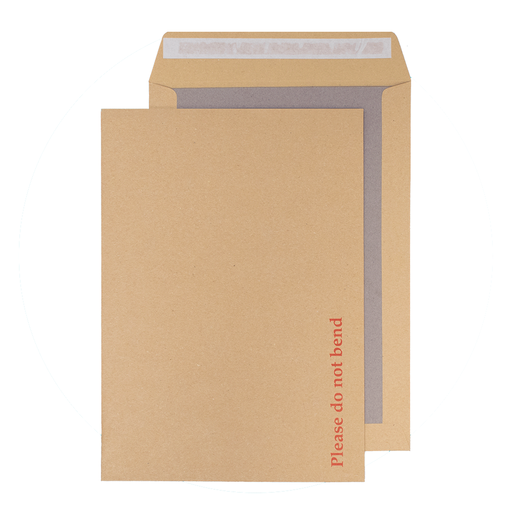
Why This Fits Their Persona: Appropriate for certificates, photographs, contracts, artwork and other A4 documents that should arrive flat.
The rigid back counters the risk of buying a soft envelope for documents where bending would reduce usability.
120gsm kraft front, 1,000-micron board back, peel-and-seal closure and 100% recycled material.
We have compiled a complete, real-time list of products that fully satisfy these strict selection criteria and UK safety regulations.
For confidential office correspondence, the Triplast DL paper self-seal window envelopes combine a blue security tint with a visible address window and are supplied in packs of 100. For larger operations, Blake DL window self-seal envelopes are available in a 500-pack.
Creative users may prefer a card-making set rather than separate stationery. The Papermania gate-fold cards and envelopes pack includes 10 pre-scored 300gsm cards with matching envelopes, suitable for invitations, handmade greetings and school craft activities.
For oversized artwork or documents, board-backed formats are available in C5, A3 and C6 sizes. For reusable packaging alternatives, consider whether the recipient can reuse the outer packaging, while still checking that the chosen material suits the item and available recycling facilities.
A C4 or A4 envelope usually accommodates an unfolded A4 sheet. A C5 envelope is suitable when the A4 sheet is folded once, while a DL envelope is designed for A4 folded into thirds. Check the envelope’s listed internal dimensions before ordering multiple packs.
Many plastic mailing bags are designed to resist rain and surface moisture, but they are not necessarily fully waterproof under prolonged exposure or immersion. Seal the adhesive strip correctly and use additional protection for products sensitive to moisture.
Keep packaging flat or upright in a cool, dry place, away from direct sunlight and excessive humidity. Avoid placing heavy items on paper envelopes or storing adhesive closures where dust can affect the seal. For unused stock, retain the original packaging where possible and rotate older packs first.