
24/7 Customer Support

Free returns

Same-day & Next-day Delivery

Quality Guaranteed

Unlock Your Welcome Offers: FREE Delivery | Up to 80% OFF | Free 30-day JoyPlus trial
Download the APP
Keeping your baby close is one of the great joys of parenthood, but daily life in the UK still demands your attention—and your hands. An ergonomic baby carrier offers a practical solution, allowing you to comfort your little one while navigating your to-do list. It provides a secure, snug environment for your baby and frees up your hands for everything from shopping to simple household tasks.
However, the market is filled with options, and choosing the right one can feel overwhelming. This guide is designed to help you understand the key features to look for in an ergonomic baby carrier, ensuring both you and your baby are comfortable and properly supported. We will explore what makes a carrier truly ergonomic and present a few recommendations to help you in your search.
Making an informed choice is about more than just style. Consider these practical points to find a carrier that fits your family’s needs.
The most critical feature of any ergonomic baby carrier is how it supports your baby’s developing body. Look for a carrier that promotes the "M" position, where the baby's knees are positioned slightly higher than their bottom and their legs are spread comfortably around your torso. This posture is crucial for healthy hip development and is a hallmark of a true hip-healthy baby carrier. A well-designed carrier will have a wide, supportive seat base that supports your baby from knee to knee, preventing their legs from dangling.
The fabric of a carrier affects comfort for both you and your baby. For parents who are often on the move or for use during warmer months, a breathable baby carrier made from mesh or lightweight cotton can help prevent overheating. For all-season use, 100% cotton offers a soft and durable option. Also, think about maintenance. A machine-washable carrier is a practical choice for dealing with the inevitable spills and dribbles.
Babies grow quickly, so an adjustable baby carrier offers excellent value. Many models are designed to adapt, functioning as a newborn carrier and adjusting to fit toddlers. Check the weight and height limits to ensure the carrier will last. Features like adjustable seat widths, head support and strap lengths allow the carrier to grow with your child. This versatility means you can invest in one quality hands-free carrier that serves you well from the early days right through to the toddler years, with some models suitable as a carrier from birth.
Here are a few recommendations that stand out for their design, comfort and user-friendly features.
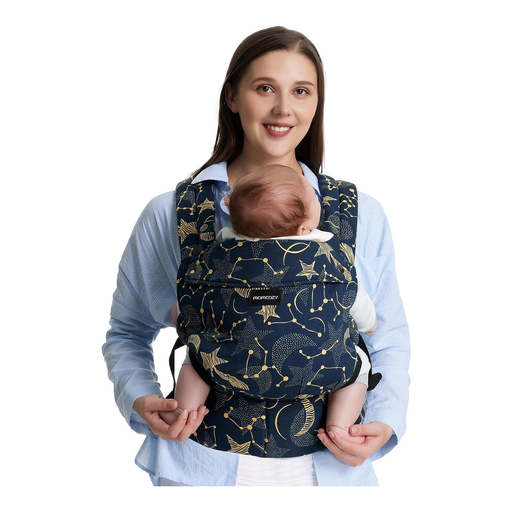
Why It Stands Out: This carrier combines a stylish design with thoughtful ergonomic features. Made from 100% cotton, it’s soft against the baby’s skin. The structure focuses heavily on the parent's comfort, featuring an X-shaped back design and built-in EVA waist support to distribute the baby's weight evenly and reduce strain on the back and shoulders.
Pros:
Who is it for? This is a great all-rounder for parents seeking a comfortable and supportive carrier for daily use. Its robust support system also makes it an excellent baby carrier for dad or any parent who prioritises back comfort during longer walks.
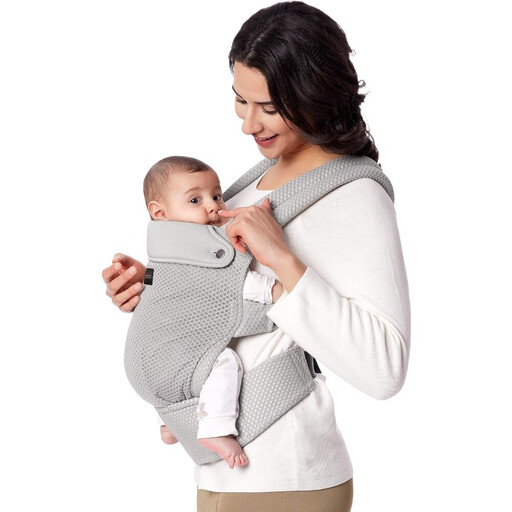
Why It Stands Out: Designed specifically for warmer weather and active parents, this breathable baby carrier features an Air Mesh panel and cooling neck fabric. It maintains all the ergonomic benefits of a structured carrier, including the "M" position and enhanced lumbar support, while prioritising airflow to keep both parent and baby cool.
Pros:
Who is it for? Parents who enjoy an active lifestyle, live in warmer areas, or find they and their baby tend to get hot easily. It’s a practical choice for holidays, summer walks and staying comfortable indoors.
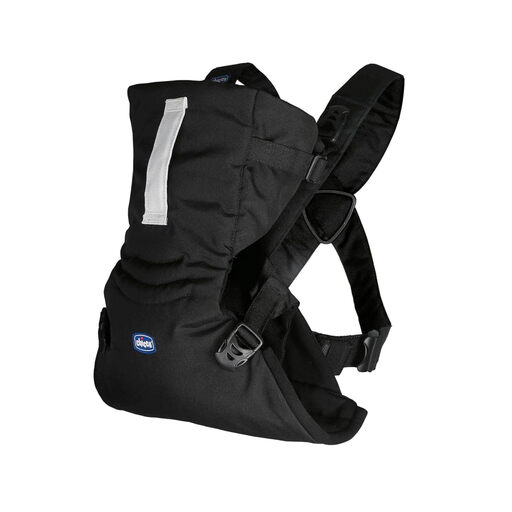
Why It Stands Out: The Chicco Easy Fit is all about simplicity. It is designed to be put on as easily as a t-shirt, making it an approachable option for new parents who might be intimidated by more complex carriers. It is specifically designed as a carrier from birth, providing a snug and secure environment for a newborn without the need for extra inserts.
Pros:
Who is it for? New parents looking for a straightforward, no-fuss infant carrier for the early months. Its simplicity makes it perfect for quick trips and for building confidence with babywearing from day one.
These recommendations offer a starting point, but every family's needs are unique. If you are searching for other practical solutions or thoughtful presents for new parents, there are many more products to discover.
Explore our full collection of baby to mum gift ideas for more practical and caring solutions.
The 'M' position refers to the ideal posture for a baby in a carrier. Their bottom is seated lower than their knees and their legs are spread to form an 'M' shape. This position supports the natural curve of their spine and ensures their hip joints are properly aligned, which is widely recommended for healthy development.
It is generally recommended to limit continuous time in a carrier to around two hours. Always pay attention to your baby’s cues. If they seem fussy or uncomfortable, it’s time for a break. These breaks allow for feeding, nappy changes and for both you and your baby to stretch. Always follow the specific guidelines provided by the carrier's manufacturer.
Yes, many ergonomic carriers are designed for use from the newborn stage. It is essential to check the product's minimum weight and age requirements. Some models, like the Chicco Easy Fit, are designed as a carrier from birth without needing any additions. Others may require a separate infant insert to ensure a snug and safe fit for the smallest babies. Always ensure your newborn has adequate head and neck support.