
24/7 Customer Support

Free returns

Same-day & Next-day Delivery

Quality Guaranteed

Unlock Your Welcome Offers: FREE Delivery | Up to 80% OFF | Free 30-day JoyPlus trial
Download the APP
As a new parent, keeping your baby close while reclaiming the use of your hands is a game-changer. An ergonomic baby carrier seems like the perfect solution, but the market is flooded with options, many of which come with hidden drawbacks. Choosing the wrong one can lead not only to wasted money but also to discomfort for you and your little one.
Before you add a carrier to your basket, it's crucial to understand the common pitfalls that many parents fall into. We're here to help you sidestep the marketing hype and focus on what truly matters for comfort and safety.
To ensure you're getting a carrier that is safe, comfortable and practical, focus on these non-negotiable features.
The single most important safety feature of an ergonomic baby carrier is its ability to support your baby in a natural, hip-healthy position. This is often referred to as the 'M' position or 'froggy' position.
A comfortable baby carrier is one you'll reach for again and again. The key to this is how it distributes your baby's weight across your body.
Babies grow quickly, and caregivers come in all shapes and sizes. A carrier with limited adjustability will have a short lifespan.
We've filtered through the options to match specific products to the real-world needs of UK parents and gift-givers.
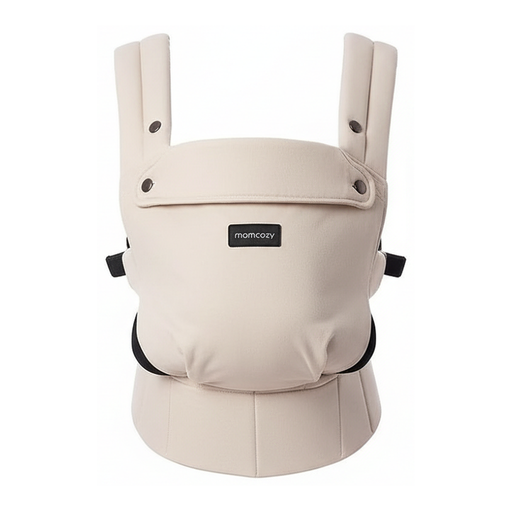
Why This Fits Their Persona: You need a reliable workhorse for everything from the school run to supermarket trips. This carrier is designed for everyday comfort and convenience, allowing you to keep your baby close while managing daily tasks.
It directly tackles the back pain pitfall with a built-in EVA waist panel for lumbar support and an X-shaped back design to distribute weight. Its three sizing positions ensure a proper fit from 7-44 lbs, avoiding the "one-size-fails-all" problem.
Features a dedicated lumbar support panel and an adjustable seat to maintain the ergonomic 'M' position as your baby grows. It's made from machine-washable cotton for easy care.
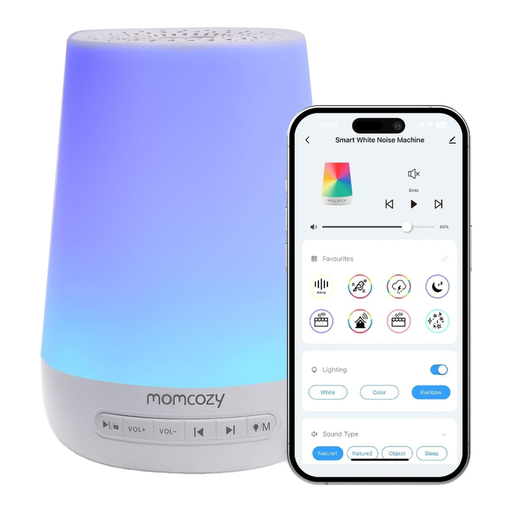
Why This Fits Their Persona: You're looking for practical and useful gifts for new mums. Sleep is the most precious commodity for new parents, and this device is designed to help the whole family get more of it by creating a peaceful sleep environment.
It avoids the "cute but useless" gift trap. While baby clothes are lovely, a tool that aids sleep is a gift that provides genuine, long-lasting value and support to tired parents during a challenging time.
Offers a huge range of 34 sounds, a customisable night light and can be controlled via a smartphone app. This versatility makes it much more than a simple white noise machine.
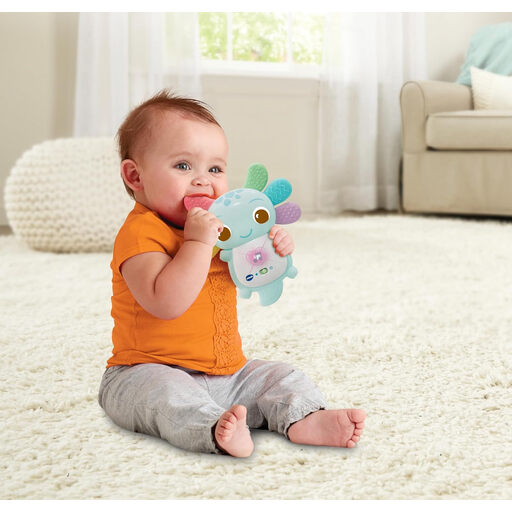
Why This Fits Their Persona: You're in the trenches of teething and need something safe for your baby to chew on that also provides a welcome distraction. This teether is designed to soothe sore gums while engaging your baby's developing senses.
Unlike basic teethers that are quickly discarded, this toy's combination of textures, lights and sounds keeps a baby's attention for longer, providing more effective relief and developmental benefits.
It combines a soft, textured silicone body for safe chewing with a light-up heart button that plays songs and melodies, stimulating both tactile and auditory senses.
We have compiled a complete, real-time list of products that fully satisfy these strict selection criteria and UK safety regulations.
A quick visual check is usually all you need. Your baby's bottom should be sitting deeper in the carrier than their knees, which should be bent and spread naturally to the side. This creates a clear 'M' shape with their lower body. The carrier's fabric panel should be wide enough to support them from the back of one knee to the back of the other, and their spine should have a gentle 'C' curve.
Many modern carriers are designed to be used from the newborn stage, but it is essential to check the manufacturer's specific weight and height guidelines. A good newborn to toddler carrier will often feature an adjustable seat that can be narrowed for smaller babies or may come with a separate infant insert. Always ensure your baby meets the minimum weight requirement, which is typically around 7 lbs (3.2 kg), and that their head and neck are fully supported.
Most fabric carriers are machine washable, which is a relief for any parent. To protect the buckles, straps and fabric, it's best to place the carrier inside a mesh laundry bag or a pillowcase. Use a mild, baby-safe detergent and select a cool, delicate wash cycle. Always refer to the product's care label for specific instructions. Avoid tumble drying; instead, hang the carrier to air dry completely to help it maintain its shape and structural integrity.