
24/7 Customer Support

Free returns

Same-day & Next-day Delivery

Quality Guaranteed

Unlock Your Welcome Offers: FREE Delivery | Up to 80% OFF | Free 30-day JoyPlus trial
Download the APP
An ergonomic baby carrier can make nursery drop-offs, supermarket trips and countryside walks easier by keeping your hands free while your baby stays close. However, attractive photos and broad age ranges do not always tell you whether a carrier will remain comfortable or suitable as your child grows.
The right choice depends on more than colour or price. Check the minimum weight, carrying positions, adjustment system, fabric, support for the wearer and the manufacturer’s safety instructions before buying.
A carrier advertised for 3–20 kg may not be suitable for every newborn. Babies need adequate head, neck and torso support, and the carrier must hold them snugly without their face being covered. Some products list a low weight limit but recommend use from around three months, while others are specifically described as suitable from birth.
Always compare:
If the product instructions and the marketing title differ, follow the detailed instructions and contact the seller if anything is unclear.
A front-facing baby carrier may refer to carrying your baby facing you, rather than facing outwards. Outward-facing carry generally requires stronger head and neck control and should only be used when the instructions say it is appropriate.
For younger babies, check that the carrier supports an upright, inward-facing position, keeps the airway clear and allows the legs to form a comfortable M-position, with the knees higher than the bottom.
A breathable panel may improve airflow, but it does not automatically make a carrier comfortable in warm weather. Padded straps, a waist panel, neck-contact fabric and the amount of fabric against both bodies also affect heat and pressure.
A breathable baby carrier can be useful for summer journeys, but dress your baby lightly, monitor their temperature and avoid covering their face with a blanket or scarf.
A useful adjustable baby carrier should offer a secure fit at the lower end of its stated range and continue to support your child as they grow. Several options in this range cover approximately 3–20 kg, but the recommended age varies.
For newborns, look for clear guidance on head support and inward-facing carry. For older infants and toddlers, check whether the seat width, leg openings and shoulder straps can be adjusted independently. A carrier that grows through several sizing positions may offer more practical use than one with a single fixed setting.
The carrier should hold your baby upright and close to your body, with their back supported and their face visible. The seat should support the thighs rather than allowing the legs to hang straight down. This is commonly referred to as the M-position baby carrier layout.
For the wearer, look for:
A baby carrier with lumbar support may feel more comfortable during longer errands, but padding cannot compensate for incorrect positioning. Adjust the waist belt first, then the shoulder straps, and check that the baby remains high enough to kiss.
Cotton can feel familiar and soft for everyday use, while elastane adds stretch in some sling designs. An OEKO-TEX Standard 100 reference indicates that the listed textile has been assessed under that certification scheme; check the product details for the specific certification and not just a general “non-toxic” description.
A cotton baby carrier or machine-washable sling may be convenient for frequent use. Before buying, confirm:
Where a product lists EN 13209-2:2015 + AC:2016, treat this as useful standards information, but still follow the product’s own instructions and warnings. No baby carrier is protective equipment for a fall, collision or vigorous activity.
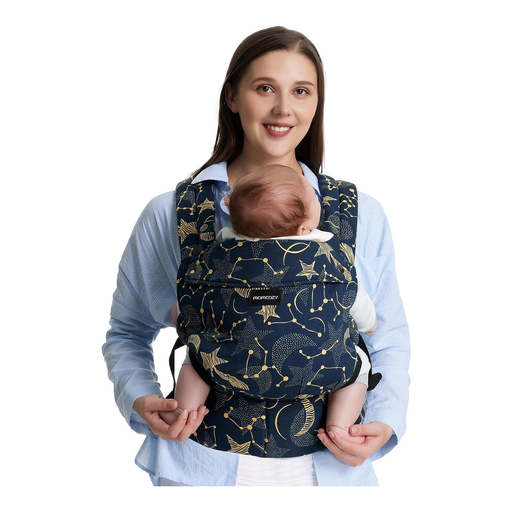
Why This Fits Their Persona: A practical front-carry option for everyday UK errands, with a stated 3.18–20 kg range and machine-washable cotton construction.
Its listed three adjustable positions and M-position design provide more detail than relying on a broad age label alone.
100% cotton fabric, X-shaped back design, EVA waist support and machine-washable care.
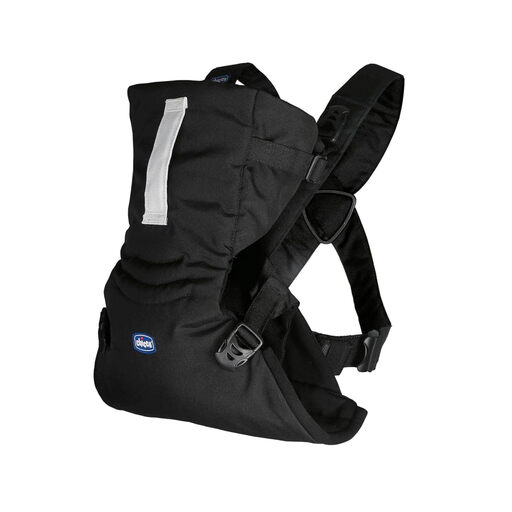
Why This Fits Their Persona: Suitable for families wanting a straightforward baby carrier for newborns, with a t-shirt-style setup and a stated from-birth parent-facing position.
The stated position guidance distinguishes parent-facing carry from forward-facing carry, which is listed from four months.
Padded adjustable shoulder straps, M-position support and a simple put-on design.
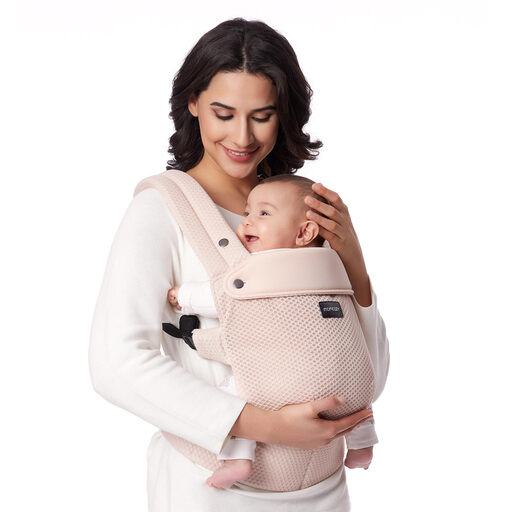
Why This Fits Their Persona: Designed for parents who expect to carry regularly during warmer UK days, holidays or crowded public transport journeys.
Its Air Mesh panel is a specified material feature, while the instructions still require temperature monitoring and a clear airway.
Air Mesh construction, cooling neck-contact fabric, three sizing positions and EVA waist support.
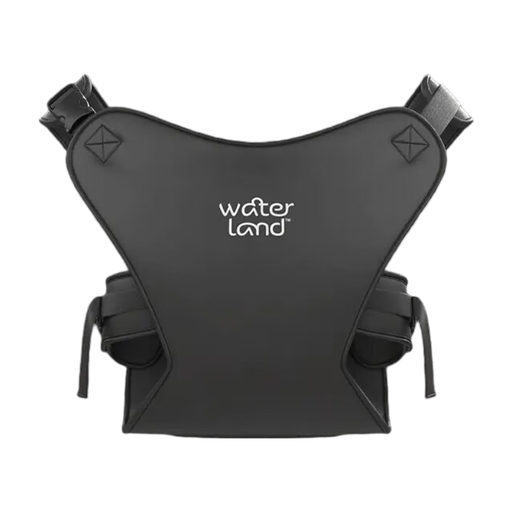
Why This Fits Their Persona: A niche option for families who want a carrier for land and carefully supervised use around calm, shallow water from the stated age range.
The listing gives a defined 6–15 kg range and identifies EN 13209-2:2015 + AC:2016 compliance; water use still requires close supervision.
Neoprene material, adjustable padded shoulder straps, inward- and outward-facing options and a 15 kg maximum recommendation.
We have compiled a complete, real-time list of products that fully satisfy these strict selection criteria and UK safety regulations.
Before each use, follow the product instructions and check the TICKS principles commonly used in UK babywearing guidance:
Do not use a carrier for running, cycling, climbing or other activities involving a fall risk. Stop if your baby’s face becomes covered, their breathing appears restricted or you experience pain. Inspect buckles, seams, rings and fabric regularly, and discontinue use if damage is found.
Some are designed for use from birth, while others are recommended from around three or four months. Check the minimum weight, head-support instructions and required position. A baby sling may be suitable for a smaller baby only when it can be adjusted securely and used exactly as directed.
Lifespan depends on the child’s weight, the carrier’s stated limits and condition. Several adjustable models listed here support up to approximately 20 kg, while the Waterland carrier lists a 15 kg maximum. Regularly inspect the fabric, buckles and stitching rather than relying on age alone.
A lightweight baby carrier can be easier to pack for travel, and mesh may improve airflow in warm conditions. Consider the complete fit, including waist support and padded straps. Lightweight construction should not mean compromising on secure adjustment, weight limits or airway visibility.