
24/7 Customer Support

Free returns

Same-day & Next-day Delivery

Quality Guaranteed

Unlock Your Welcome Offers: FREE Delivery | Up to 80% OFF | Free 30-day JoyPlus trial
Download the APP
As a new parent, the desire to keep your baby close while reclaiming some hands-free independence is a powerful motivator. An ergonomic baby carrier seems like the perfect solution. Yet, the market is flooded with options and it's easy to fall into common purchasing traps that lead to discomfort for you and your little one.
As the Joybuy Product Recommendation Officer, my role is to help you see past the marketing jargon. Before you make a decision, be aware of these two frequent pitfalls that can turn a promising purchase into a dust-gathering regret.
To ensure both you and your baby are safe and comfortable, focus on these fundamental design parameters. They are the true measure of a carrier's quality and longevity.
This is the most critical ergonomic feature for your baby. The carrier's seat must be wide enough to support your baby's thighs from knee to knee, allowing their legs to form a natural "M" shape (or 'frog-like' position). In this posture, their bottom is seated lower than their knees. This position supports healthy hip socket development and is a hallmark of a truly ergonomic baby carrier. A narrow-based carrier that lets the baby's legs dangle straight down does not provide this support and should be avoided.
For the parent, the single most important feature for comfort is how the carrier distributes weight. Parents looking for the best baby carrier for back support should look for designs with a wide, well-padded and structured waistband. This component is designed to transfer the majority of the baby's weight onto your hips, which are much better equipped to bear the load than your shoulders. An advanced design may feature an X-shaped back strap configuration or a reinforced lumbar support panel to prevent you from slouching and to minimise back strain during extended wear.
A genuine newborn to toddler carrier offers more than just a high weight capacity. Look for specific adjustment points that cater to different growth stages:
Based on these practical principles, we've matched some useful products to different parenting profiles.
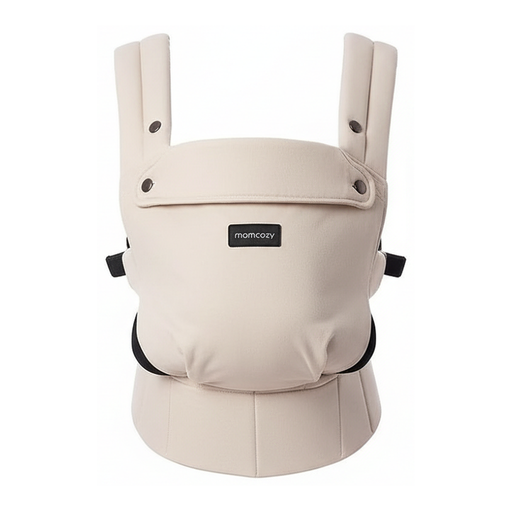
Why This Fits Their Persona: This parent needs a reliable, versatile and comfortable hands-free baby carrier for everything from school runs to supermarket trips. They prioritise functional design that supports both them and their baby without an excessive price tag.
It directly counters the "wearer discomfort" trap with its built-in EVA waist panel for lumbar support and an X-shaped back design to distribute weight. It also avoids the "one-size" issue with three adjustable sizing positions to fit babies from 7-44 lbs.
The combination of padded shoulder straps, an adjustable seat for the ergonomic "M" position and a structured waist support system provides a high degree of comfort for the price point.
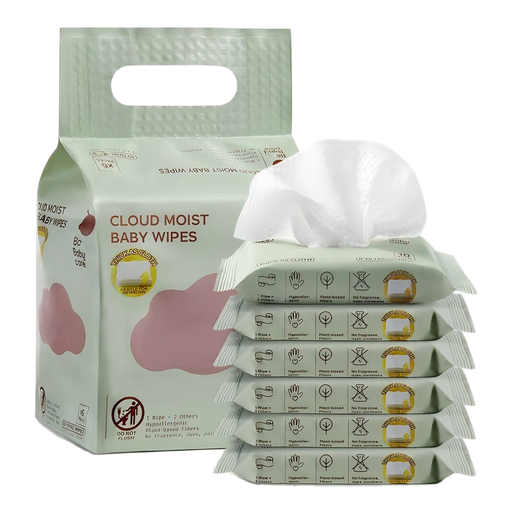
Why This Fits Their Persona: This parent prioritises safety and purity in all baby products. Just as they seek an ergonomic carrier for physical health, they demand products free from harsh chemicals for their baby's delicate skin.
It avoids the trap of misleading "gentle" or "natural" marketing claims by providing third-party validation. The OEKO-TEX certification offers verifiable proof that the product is free from a list of harmful substances.
Made with 99% purified water and 100% biodegradable, plastic-free fibres, these unscented wipes are designed for sensitive skin. The extra thickness provides durability and better cleaning with fewer wipes.
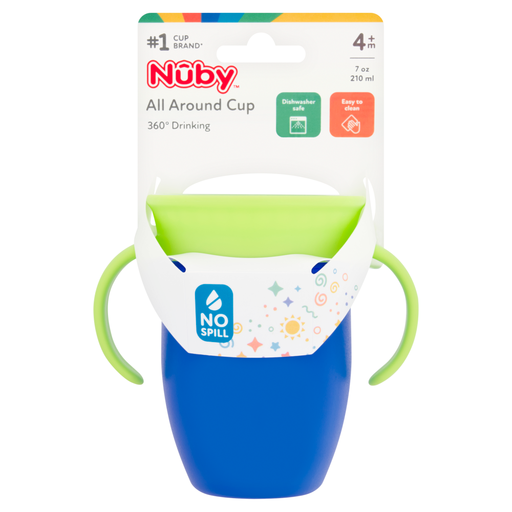
Why This Fits Their Persona: This parent invests in products that support their child's development over the long term. Just as they choose a carrier that adapts from newborn to toddler, they look for weaning products that ease transitions and promote natural skills.
It helps avoid the cycle of buying multiple types of sippy cups. The dentist-approved, spoutless design supports natural oral development and mimics open-cup drinking, making it a single, effective transition tool.
The 360° drinking edge allows a child to sip from any side, while the pressure-sensitive seal prevents spills. It's a clever design that builds confidence and reduces mess.
We have compiled a complete, real-time list of products that fully satisfy these strict selection criteria and UK safety regulations.
There is no strict time limit, as long as both you and your baby are comfortable. A well-designed ergonomic carrier can often be worn for several hours. The key is to listen to your body. If you feel any strain, it's time for a break. Also, ensure your baby has opportunities to stretch and move freely outside of the carrier throughout the day.
For many UK parents, the answer is a firm yes. The value comes from its versatility. It can replace a bulky pram for quick trips, soothe a fussy baby while you handle household tasks and allow you to navigate crowded public transport or scenic country walks with ease. A quality carrier that grows with your child from infancy to toddlerhood offers excellent long-term value.
It's simple to check. When your baby is in the carrier, their bottom should be sitting at or below the level of their knees, with their thighs fully supported by the fabric. Their legs should be spread naturally around your torso, not dangling straight down. It should look like they are in a seated squat position inside the carrier.