
24/7 Customer Support

Free returns

Same-day & Next-day Delivery

Quality Guaranteed

Unlock Your Welcome Offers: FREE Delivery | Up to 80% OFF | Free 30-day JoyPlus trial
Download the APP
As a new parent, regaining the use of your hands feels like a superpower. An ergonomic baby carrier is more than just a convenience; it’s a tool for bonding, exploring and navigating daily life with your little one held close. However, the market is filled with options, and it's easy to choose a carrier that ends up gathering dust after a few uncomfortable outings. This guide cuts through the clutter, focusing on the essential features that ensure comfort and safety for both you and your baby.
Before you buy, be aware of these common pitfalls:
To avoid these issues, focus on a few non-negotiable features. These are the technical details that separate a carrier you'll love from one you'll regret.
This is the most critical safety and comfort feature for your baby. An ergonomic carrier must support your baby’s legs in a natural, spread-squat position, often called the 'M' position.
A comfortable carrying experience for you is just as important. A well-designed carrier distributes the baby's weight evenly across your body, preventing strain on your back and shoulders.
The right material and fit make all the difference for year-round use.
Based on these core principles, we've matched several products to different parent profiles.
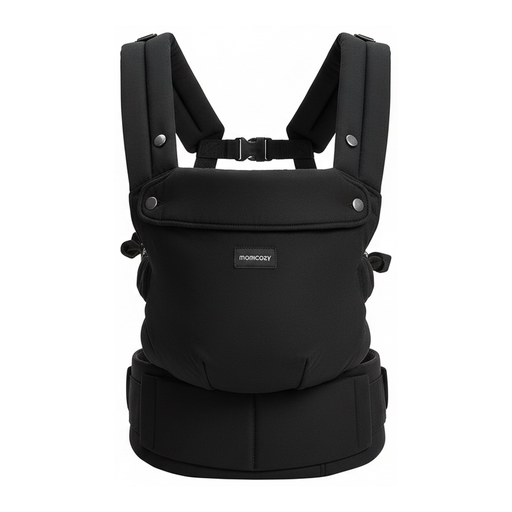
Why This Fits Their Persona: This is a practical, no-fuss option for parents needing a reliable carrier for daily tasks like school runs, shopping or walks. Its classic design and robust features provide everything needed for comfortable, everyday babywearing.
It directly addresses the wearer's comfort with its X-shaped back design and built-in EVA lumbar support, preventing the shoulder strain common in simpler carriers.
Made from 100% cotton, it's soft and machine washable. The three-stage adjustment accommodates babies from 7-44 lbs (3-20 kg), offering genuine longevity.
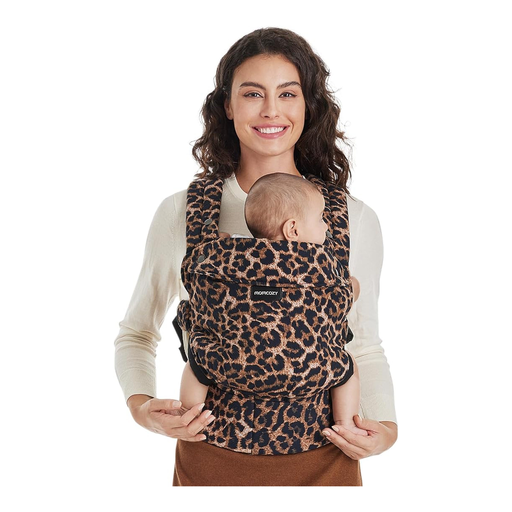
Why This Fits Their Persona: For the parent who sees their baby gear as an extension of their personal style. This carrier combines all the necessary ergonomic features with a fashionable print, making it a statement piece and one of the great gifts for new mums.
This isn't just a pretty design. It features the same adjustable seat to ensure a proper 'M' position and avoids the "one-size-fits-all" trap by providing true adjustability for a growing baby.
Combines style with substance. It has the same crucial lumbar support and weight distribution system as its plain counterparts, proving you don't have to sacrifice comfort for aesthetics.
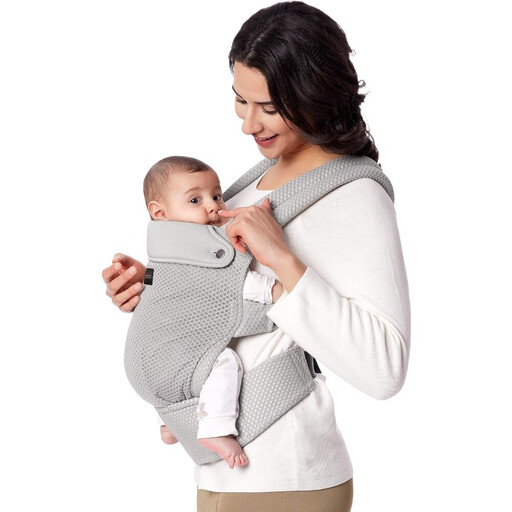
Why This Fits Their Persona: Ideal for parents who are always on the move, planning a holiday or simply have a baby who runs warm. This breathable baby carrier is designed to maximise airflow and keep everyone comfortable.
It directly solves the pitfall of unsuitable materials. The Air Mesh panel and cooling fabric prevent overheating, making it a far more practical choice for year-round use than a standard thick cotton carrier.
This is a truly lightweight baby carrier without compromising on support. It still includes the essential EVA waist support and padded straps for comfortable, extended wear.
We have compiled a complete, real-time list of products that fully satisfy these strict selection criteria and UK safety regulations.
A simple check is to look at your baby in the carrier from the side. Their bottom should be seated deeply in the carrier panel, and their knees should be bent and positioned slightly higher than their bottom. Their lower legs should hang down naturally. The carrier's fabric should support them from one knee to the other.
Yes, provided the carrier is designed for it. Look for carriers with an adjustable seat width or a specific newborn insert. The carrier must provide full head and neck support for a baby who cannot yet hold their head up independently. Always check the manufacturer's minimum weight and age recommendations, which are typically around 7 lbs or 3.2 kg.
Most cotton and mesh carriers are machine washable, which is a huge benefit for parents. Always check the care label first. It is generally recommended to use a gentle, non-bio detergent and wash on a cool, delicate cycle. Fasten all buckles and straps before washing to prevent them from getting damaged or tangled. Air-drying is usually preferable to tumble-drying to maintain the integrity of the fabric and padding.