
24/7 Customer Support

Free returns

Same-day & Next-day Delivery

Quality Guaranteed

Unlock Your Welcome Offers: FREE Delivery | Up to 80% OFF | Free 30-day JoyPlus trial
Download the APP
Watching a child learn to write is a significant milestone. However, it can also be a source of frustration for both parent and child. Awkward grips, tired hands and frequently broken pencil leads can turn a simple writing task into a challenge. Choosing the right tool is a crucial first step in building confidence and developing neat, comfortable handwriting.
This guide is designed to help you navigate the options for ergonomic handwriting pencils. We will explore what features to look for and provide some practical recommendations to support your child's journey from their first letters to flowing sentences.
When selecting beginner writing pencils, a few key features can make a substantial difference. Focusing on these aspects will help you find a tool that supports good habits from the start.
For young learners, the shape of the pencil barrel is more important than you might think. While traditional hexagonal or round pencils are common, triangular pencils for kids are often recommended. The three-sided design naturally guides a child's fingers into the 'tripod grip'—the efficient and comfortable hold using the thumb, index and middle fingers. Many ergonomic pencils also feature non-slip grip zones, either as moulded grooves or raised dots, which prevent fingers from sliding and help maintain a relaxed hand posture.
The graphite lead inside the pencil is another critical factor. Most standard school pencils use an HB grade lead, which provides a good balance between hardness and darkness, making it ideal for writing. For children who are just learning to control pressure, a pencil with break-resistant lead is a sensible choice. Some manufacturers use a special bonding process to secure the lead to the wood casing, significantly improving its durability and reducing the time spent sharpening.
Approximately 10% of the population is left-handed, and using a standard right-handed tool can sometimes be awkward. Some ergonomic pencils are available in dedicated left-handed versions. These are designed to give a clear view of the writing and prevent the hand from smudging the graphite, offering a more comfortable and natural writing experience for left-handers.
Here are a few standout options that incorporate these supportive features.
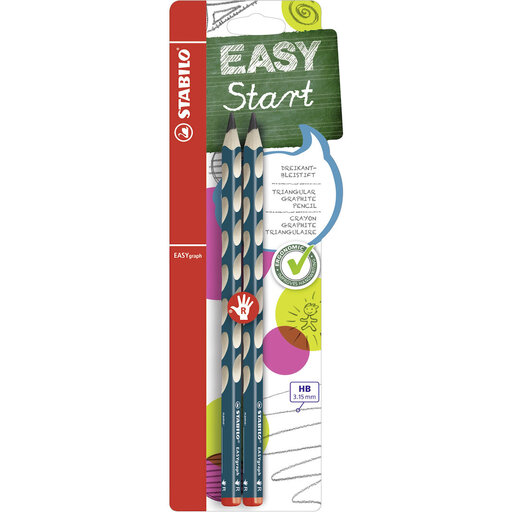
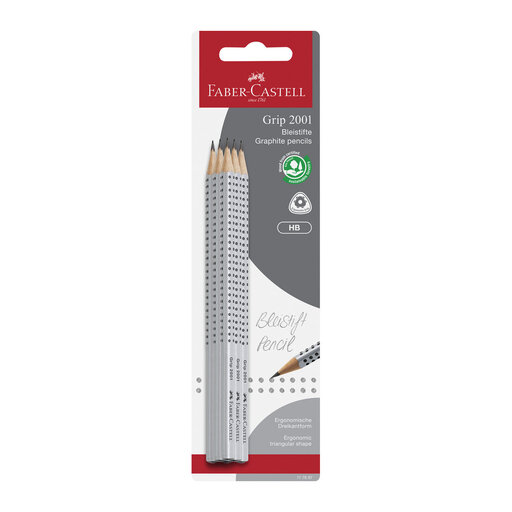

The right pencil can make a world of difference in a child's handwriting journey. If the recommendations above aren't quite what you're looking for, or if you wish to explore a wider variety of school pencils, feel free to browse our complete collection.
Explore our full range of writing pencils at Joybuy.co.uk
An ergonomic pencil is designed to work in harmony with the hand's natural posture. Features like a triangular shape, specialised grip zones and a balanced weight help reduce muscle strain and promote a comfortable, efficient grip. This makes writing for longer periods easier and helps form good habits.
For many learners, yes. The three flat sides of a triangular pencil provide distinct surfaces for the thumb, index finger and middle finger to rest on. This naturally encourages the dynamic tripod grip, which is widely recommended by educators and occupational therapists for control and endurance in writing.
It's a good idea to introduce an ergonomic pencil for learning to write as soon as a child begins to show sustained interest in drawing and forming letters, typically between the ages of 4 and 5. Using a supportive tool from the beginning can help prevent awkward grip habits from forming.