
24/7 Customer Support

Free returns

Same-day & Next-day Delivery

Quality Guaranteed

Unlock Your Welcome Offers: FREE Delivery | Up to 80% OFF | Free 30-day JoyPlus trial
Download the APP
Working from home has shifted from a temporary measure to a permanent reality for many across the UK. While the convenience is undeniable, the toll on our bodies from makeshift workstations—the dining table, the sofa, the spare room corner—is becoming increasingly apparent. Aches, stiffness and a dip in focus are common complaints.
Creating a proper ergonomic home office setup is no longer a luxury; it's a fundamental investment in your long-term health and daily productivity. This guide is designed to help you navigate the options and build a workspace that supports you through every task, call and deadline. We'll explore what to look for in key pieces of home office furniture and share some of our top recommendations.
Building a supportive workspace doesn't have to be complicated. Focusing on a few key principles will ensure you select furniture that works for you, not against you.
You spend the majority of your day sitting, so an ergonomic office chair is the cornerstone of your setup. Look for a high degree of adjustability. A good chair should allow you to modify the seat height, armrest position and lumbar support. Many quality chairs also feature a reclining function with tilt tension and a headrest. Pay attention to materials; a breathable mesh back can significantly improve comfort during long sessions by promoting air circulation. For safety and durability, look for products that meet standards like the BIFMA (Business and Institutional Furniture Manufacturer's Association) test.
A static posture is a primary cause of discomfort. An electric standing desk allows you to effortlessly switch between sitting and standing, promoting movement and reducing the strain of being in one position all day. When choosing an adjustable desk and chair combination, consider the height range to ensure it accommodates you comfortably in both seated and standing positions. Key features to look for include a quiet motor for non-disruptive adjustments, memory presets to save your preferred heights and a sturdy frame that remains stable even when fully extended.
A cluttered desk can lead to a cluttered mind. Look for home office furniture that incorporates thoughtful design elements to help you stay organised. Features like built-in cable management holes, hooks for bags or headphones and even small storage pockets can make a significant difference in maintaining a tidy and functional work from home setup. Before purchasing, always measure your available space to ensure your new furniture fits comfortably without overwhelming the room.
Based on the features that contribute to a healthier and more productive workday, here are some standout options available in the UK.
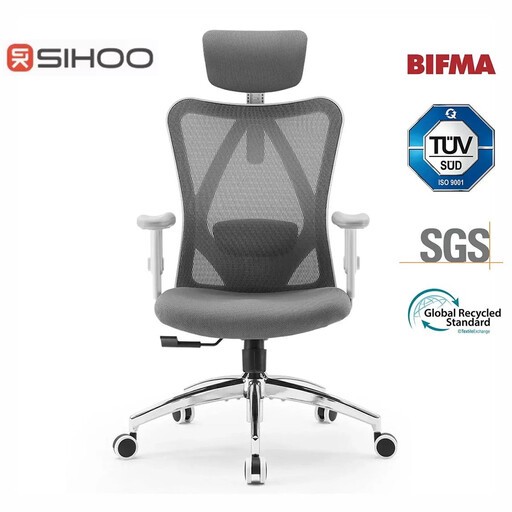
Why It Stands Out: The Sihoo M18 offers a comprehensive suite of adjustments at an accessible price point. Its five distinct ergonomic settings—covering the backrest, headrest, seat height, tilt and armrests—allow for a highly personalised fit, which is crucial for maintaining correct posture over many hours.
Pros:
Who is it for? This chair is an excellent choice for professionals seeking a versatile and highly adjustable seating solution for their primary home office. It's particularly well-suited for those who spend long hours at the computer and prioritise both support and breathability.

Why It Stands Out: This desk combines smooth, quiet functionality with practical design features. The ability to save four different heights makes switching between sitting, standing, or even different users seamless. Its integrated storage solutions directly address the common issue of desk clutter.
Pros:
Who is it for? Anyone looking to introduce more movement into their workday. It’s ideal for remote workers and freelancers who want the health benefits of an electric standing desk combined with features that help maintain an organised and efficient environment.
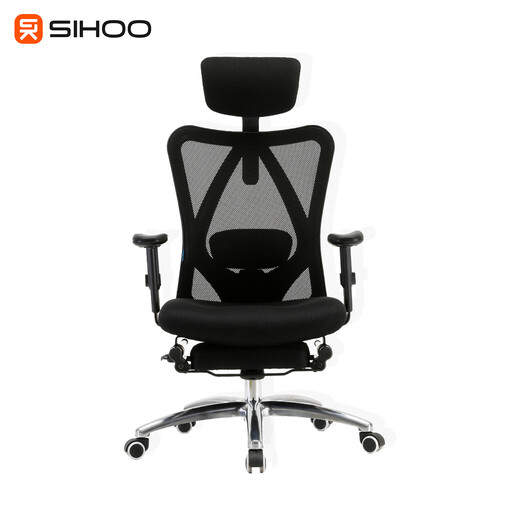
Why It Stands Out: Building on the strong ergonomic foundation of the M18 model, the M18JT adds a retractable footrest. This transforms the chair from a pure task seat into a multi-functional piece of furniture that also supports relaxation and short breaks, offering a new level of comfort.
Pros:
Who is it for? This chair is designed for the user who wants the ultimate blend of productivity and relaxation. If you enjoy taking short breaks to stretch out or think away from the screen, the integrated footrest makes this an all-in-one solution for your home office.
While ergonomic function is paramount, aesthetics also play a role in creating a space you love to work in. If you're aiming for a more vibrant and personalised look, a standard desk in a bold finish could be the perfect centrepiece.
To add a splash of personality to your workspace, explore our collection of red desk options and find a piece that energises your home office.
What is the most important part of an ergonomic home office setup? The ergonomic office chair is arguably the most critical component, as it directly supports your body's posture for hours at a time. However, its effectiveness is maximised when paired with a desk set to the correct height, allowing your arms to rest at a 90-degree angle. A truly ergonomic setup is a system where the chair and desk work together.
How often should I switch between sitting and standing? There is no single rule, but a common recommendation is to listen to your body and change positions regularly. A good starting point is to try standing for 30-60 minutes for every hour or two you spend sitting. The main goal is to avoid staying in any single posture for too long.
Is ergonomic furniture worth the investment for a home office? For anyone working from home long-term, the answer is a clear yes. Investing in an ergonomic setup is an investment in your well-being. It helps prevent the chronic pain and discomfort associated with poor posture, which in turn can boost focus, efficiency and overall job satisfaction.