
24/7 Customer Support

Free returns

Same-day & Next-day Delivery

Quality Guaranteed

Unlock Your Welcome Offers: FREE Delivery | Up to 80% OFF | Free 30-day JoyPlus trial
Download the APP
With many of us spending more time at our desks than ever before, the chair we sit in has become more than just a piece of furniture. An unsuitable chair can contribute to back discomfort, poor posture and a general lack of focus. Choosing the right ergonomic office chair is an investment in your comfort and productivity, whether you're in a home office, a corporate setting or a study space.
This guide is designed to help you navigate the options. We'll outline the key features to look for and present some of our top recommendations for 2026, helping you find a chair that truly supports your workday.
Making an informed decision involves looking beyond aesthetics. Here are a few practical points to consider when selecting your next desk chair for home office.
A truly ergonomic chair adapts to you, not the other way around. Look for an adjustable desk chair with multiple points of customisation. The most critical feature is often a computer chair with lumbar support, which helps maintain the natural curve of your lower spine. Some chairs offer dynamic support that moves with you, while others have manually adjustable pads. Also, consider adjustable armrests (often described as 3D, 4D or even 6D, referring to the directions they can move), seat height and seat depth to ensure your feet are flat on the floor and there is no pressure behind your knees.
The materials of a chair affect both comfort and durability. A breathable mesh chair is a popular choice as it promotes air circulation, keeping you cool during long hours of sitting. The frame and base are equally important. Look for chairs with a solid construction and a high weight capacity, such as a heavy duty office chair 150kg, which indicates robust engineering. Certifications like BIFMA test for safety and durability, offering an extra layer of confidence in the chair's quality.
Consider your daily routine. Do you need a high back office chair that provides full support for your shoulders and neck? This is particularly useful if you tend to lean back to think or take calls. For those who value moments of relaxation between tasks, an office chair with footrest can be a welcome feature, allowing you to recline and elevate your legs comfortably. By analysing your own habits, you can identify the features that will provide the most benefit.
Based on their features, adjustability and user-focused design, here are a few standout options from the SIHOO office chair range.
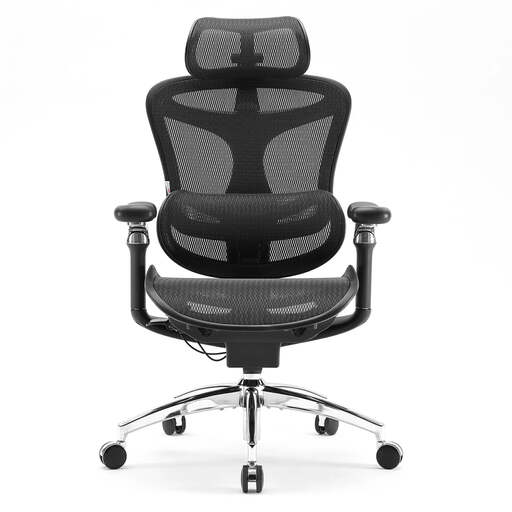
Why It Stands Out: The Doro C300 Pro is engineered for those who demand a high degree of customisation. Its standout feature is the self-adaptive dynamic lumbar support, which automatically adjusts to your posture as you move. Paired with highly versatile 6D coordinated armrests and a generous recline range up to 135°, it offers a finely tuned seating experience. The entire chair is wrapped in a high-elasticity wave mesh for support and breathability.
Pros:
Who is it for? Professionals, creatives and remote workers who spend extended periods at their desk and require maximum ergonomic control to maintain comfort and focus throughout the day.
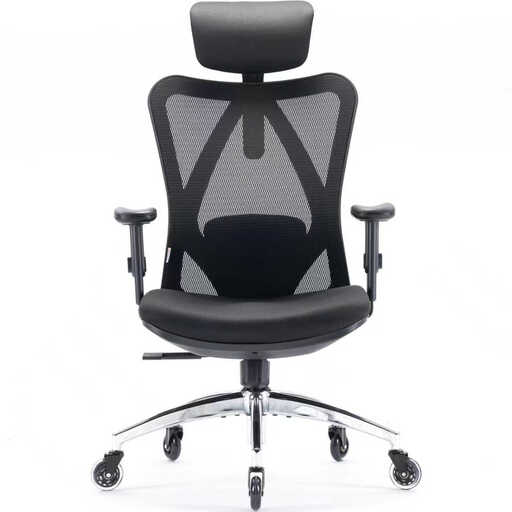
Why It Stands Out: This model provides a comprehensive set of ergonomic features in a straightforward package. It offers five key adjustment points: the backrest, headrest, seat height, armrests and lumbar support. The W-shaped padded seat is designed to encourage a central sitting position, while the waterfall front edge helps reduce pressure on the legs. Having passed BIFMA testing and a static pressure test of 1136 kg, it is a reliable and sturdy option rated for up to 150 kg.
Pros:
Who is it for? This is an excellent all-rounder for a home office or study. It's ideal for users seeking a significant upgrade from a standard chair to a supportive chair for back pain without needing the intricate adjustments of a premium model.
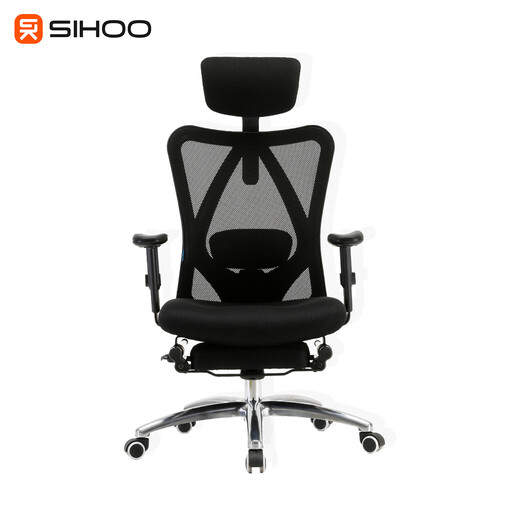
Why It Stands Out: The M18JT builds on the solid ergonomic base of the M18 model and adds a key feature for relaxation: an adjustable, retractable footrest. This transforms the chair from a dedicated work tool into a multi-purpose seat for work and rest. You get the same five core adjustments, including the high back and headrest, but with the added ability to fully recline and elevate your feet during breaks.
Pros:
Who is it for? Users who appreciate the flexibility to switch between focused work and comfortable reclining. It's perfect for those in a home office who want a single chair that serves for both productivity and taking a quick, restorative break.
While these chairs represent excellent choices for a range of needs, every person's preference is unique. If you're still exploring or have different requirements for style, features or budget, we invite you to browse our full collection.
Discover more styles and features in our complete range of office desks and chairs.
What is the most important feature in an ergonomic chair? While this can be subjective, most people find that adjustable lumbar support is the most critical feature for preventing or managing back discomfort. This should be followed closely by seat height and depth adjustment, which ensure your body is correctly aligned with your desk and the floor, promoting a healthy posture.
Is a mesh office chair better for back pain? The material itself is secondary to the chair's underlying support structure. A breathable mesh chair offers excellent conformity to your body's shape and superior airflow, which adds to overall comfort. However, the effectiveness for back pain comes from a well-designed and adjustable computer chair with lumbar support, regardless of whether the final material is mesh, fabric or leather.
How long should an ergonomic office chair last? The lifespan of an ergonomic chair depends on its build quality, materials and frequency of use. A well-made chair with a solid frame and high-quality components, especially one with certifications like BIFMA, can be expected to last between 5 and 10 years. Regular maintenance, like tightening screws and cleaning surfaces, can also extend its life.