
24/7 全天候客户支持

免费退货

当日/次日达

品质保障

开启新人专享福利: 全场免邮 | 低至 2 折 | 免费试用 30 天 JoyPlus 会员
下载 Joybuy
Working from home has shifted from a temporary measure to a permanent reality for many across the UK. While we have perfected our coffee routines and optimised our Wi-Fi, one critical component of the home office is often overlooked: the chair. Aches, pains and a slump in productivity can frequently be traced back to a poor seating choice. But with so many options on the market, finding a truly effective ergonomic office chair can feel overwhelming.
As the Joybuy Product Recommendation Officer, my role is to help you navigate the market and identify what truly matters. Many chairs are sold with impressive-sounding features that offer little real-world benefit. Before you invest, let's look at the common pitfalls that lead to buyer's remorse.
To make a smart purchase, focus on the core mechanics and materials. These are the non-negotiable factors that determine a chair's comfort, longevity and value.
A good adjustable office chair should adapt to you. Look for a multi-lever system that controls more than just the height. Key adjustments include:
The materials dictate both the chair's durability and its daily comfort.
Instead of a single "perfect" chair, the right choice depends on your specific work habits, body type and workspace. Here are our recommendations matched to distinct user profiles.
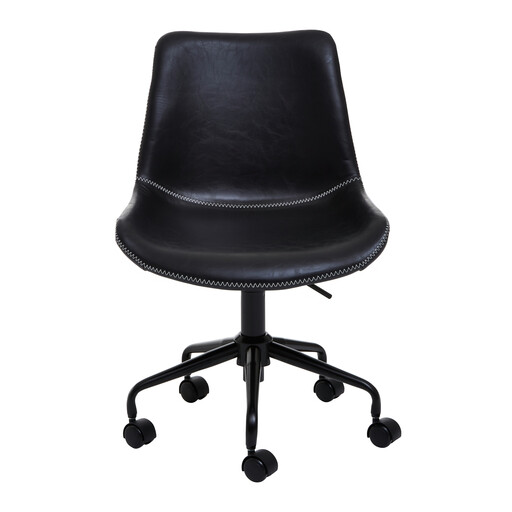
Why This Fits Their Persona: Ideal for UK city dwellers with a study nook or a smaller home office. Its mid-century modern design and compact footprint blend seamlessly into home decor without sacrificing core functionality for daily work.
It avoids the trap of over-featured, bulky chairs. It focuses on essential adjustments (pneumatic height, 360-degree swivel) and a durable chrome base, prioritising quality over a long list of unnecessary features.
Features a sturdy chrome metal base for stability and smooth-rolling castors. Its clean lines and compact size make it a stylish and practical choice for space-conscious users.
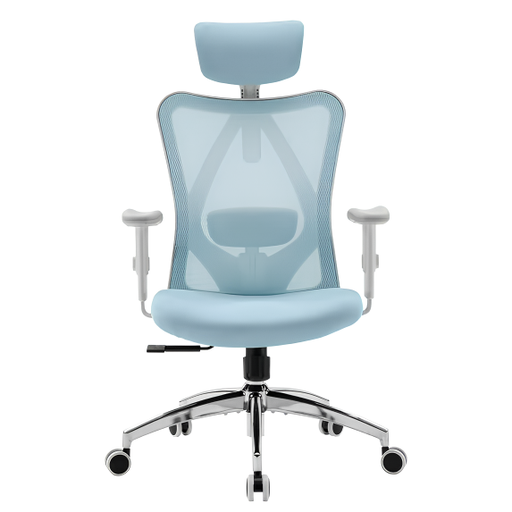
Why This Fits Their Persona: For the professional spending 8+ hours a day at their desk. This user needs a fully adjustable tool to support their posture and well-being, preventing the fatigue and strain that comes from prolonged sitting.
This chair directly counters the "vague ergonomic" trap by providing specific, tangible adjustments for the headrest, lumbar support and armrests. The mention of BIFMA and SGS certification provides an objective indicator of its durability.
Offers a comprehensive suite of ergonomic adjustments for a personalised fit. The high-back mesh design ensures breathability and support throughout the entire workday.
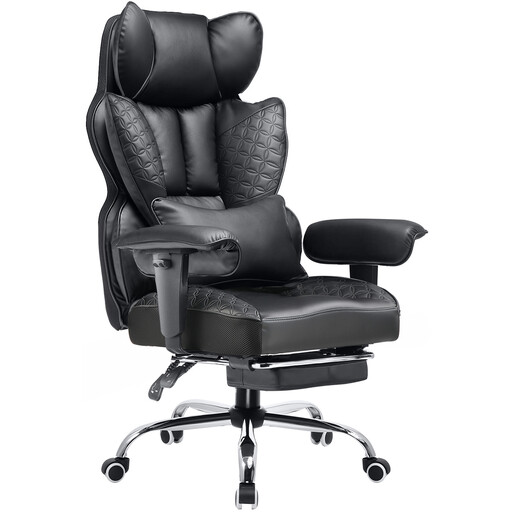
Why This Fits Their Persona: Designed for larger individuals or those who want a robust, commanding chair for their home office. The high back, heavy-duty build and reclining feature with a footrest make it suitable for both intensive work and taking comfortable breaks.
It directly challenges the "one-size-fits-all" myth by being specifically built for "big and tall" users. Its heavy-duty construction addresses the durability concerns that standard chairs often fail to meet for this user group.
Features a high weight capacity and a deep reclining function complete with a retractable footrest. The plush PU leather gives it a premium, executive feel while being easy to maintain.
We have compiled a complete, real-time list of products that fully satisfy these strict selection criteria and UK safety regulations.
A quality home office chair should be seen as an investment. With a solid frame, a high-quality gas lift and durable upholstery, you can expect a chair to last between 5 and 10 years. The lifespan is heavily dependent on the build quality and the intensity of use. Chairs with BIFMA certification have passed durability tests, which can be a good indicator of longevity.
This comes down to personal preference and environment. Mesh chairs offer superior breathability, which is a significant advantage during long work sessions or in rooms that get warm. PU leather offers a classic look and is easier to clean, but can feel warm and may not be as durable as high-quality mesh or fabric over the very long term.
For anyone sitting for more than a few hours per day, adjustable lumbar support is one of the most important ergonomic features. It helps to maintain the natural 'S' curve of your spine, distributing pressure evenly and reducing the risk of developing lower back pain. A fixed support may not align with your back correctly, which is why the ability to adjust its height and depth is so valuable.