
24/7 Customer Support

Free returns

Same-day & Next-day Delivery

Quality Guaranteed

Unlock Your Welcome Offers: FREE Delivery | Up to 80% OFF | Free 30-day JoyPlus trial
Download the APP
Spending hours at a desk, whether for work or study, can take a toll on your body. The persistent lower back ache, stiff neck and general discomfort are common complaints that can disrupt focus and productivity. An ergonomic office chair isn't a luxury; it's a foundational piece of equipment for anyone who sits for extended periods.
This guide is designed to help you navigate the key features of a quality home office chair. We will break down what to look for, from adjustability to materials and provide our recommendations to help you find a chair that supports your well-being and enhances your daily routine.
Choosing the right chair can feel overwhelming with so many options available. Focussing on a few key areas will simplify your decision and ensure you invest in a chair that truly meets your needs.
A chair is only ergonomic if it fits your body. A truly adjustable office chair allows you to customise multiple components to achieve a supportive posture. Look for chairs with:
computer chair with lumbar support will allow you to change the height and depth of the support.high back desk chair with an adjustable headrest provides essential neck support, especially when reclining. The back tilt function allows you to change your posture throughout the day, reducing muscle fatigue.The material of your chair directly impacts your comfort, especially during long sessions. While leather and fabric have their place, a mesh office chair offers distinct advantages:
Look for certifications like BIFMA (Business and Institutional Furniture Manufacturers Association) or SGS. These indicate that the chair has passed standardised tests for safety, durability and structural integrity. A certified chair, often tested to support significant weight (e.g., 1136 kg static pressure tests), offers peace of mind that it is built to last.
Based on features that promote comfort and support, here are our recommendations. We have focused on models from the SIHOO office chair range, which consistently offers a strong combination of adjustability, quality materials and user-focused design.
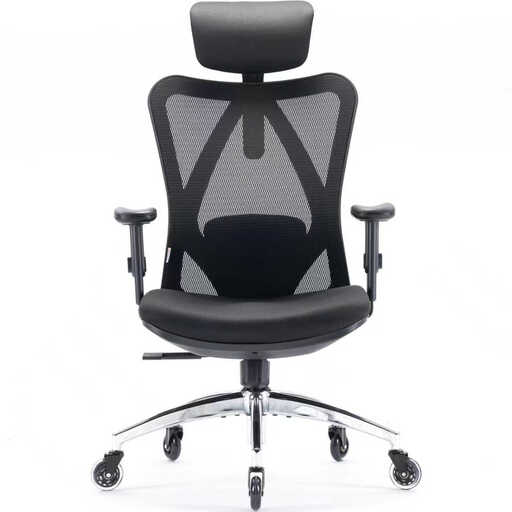
Why It Stands Out: The SIHOO M18 is an excellent all-rounder, providing five key ergonomic adjustments. Its high-quality breathable mesh backrest promotes airflow, keeping you cool and comfortable. The design includes a W-shaped padded seat with a waterfall edge, which is shaped to reduce pressure on the back of your legs during long periods of sitting. It has also passed BIFMA and static pressure tests, confirming its robust build.
Pros:
Who is it for? This chair is ideal for professionals and students looking for a reliable and highly adjustable chair for daily, prolonged use in a home or office setting.

Why It Stands Out: The M59S model introduces an innovative dual back design with adaptive lumbar support. This system automatically adjusts to your movements, providing continuous support as you shift your posture. Another key feature is its space-saving design; the 80° folding armrests allow the chair to be pushed neatly under a desk, making it a great choice for those needing a small footprint. The wide, saddle-shaped seat cushion is designed to conform to your body, reducing pressure.
Pros:
Who is it for? This is a great option for remote workers needing a small footprint or anyone who values dynamic back support that adapts to their movements throughout the workday.

Why It Stands Out: The M57S focuses on comprehensive spinal alignment with its S-shaped backrest that mimics the natural curve of the human spine. This high back desk chair offers full support from your lower back up to your neck. The 3D armrests are highly versatile, offering multi-angle support whether you are typing, reading or resting. The entire chair is covered in a sturdy polyester mesh, ensuring maximum breathability and support.
Pros:
Who is it for? This chair is well-suited for users seeking a solution for back pain or those who require robust, full-back and neck support throughout their workday.
Finding the right chair is the first step to creating a comfortable and productive workspace. If you're looking to furnish or upgrade your entire setup, pairing your new chair with the right desk is essential.
Explore our curated selection of office furniture, including stylish black table with grey chairs and other desk sets, to complete your ideal home office environment.
Q1: How long should an ergonomic office chair last? A quality ergonomic office chair with a solid frame and durable components should last between 7 to 10 years with regular use. Chairs with certifications like BIFMA are tested for longevity. Regular maintenance, such as tightening screws and cleaning the upholstery, can also extend its lifespan.
Q2: Is a mesh office chair better for back pain? A mesh chair can be an excellent choice for managing back pain. The material provides firm, consistent support that conforms to your back without creating pressure points. Its breathability also enhances overall comfort, which can help reduce restlessness and fidgeting that often contributes to poor posture. However, the most critical factor for a desk chair for back pain is its adjustability, especially the lumbar support.
Q3: What is the most important feature in a computer chair with lumbar support? The most important feature is adjustability. A fixed lumbar curve will only suit a small percentage of users. Look for a chair where you can adjust the height and, ideally, the depth (pressure) of the lumbar support. This allows you to position the support precisely in the curve of your lower back, providing tailored and effective relief.