
24/7 Customer Support

Free returns

Same-day & Next-day Delivery

Quality Guaranteed

Unlock Your Welcome Offers: FREE Delivery | Up to 80% OFF | Free 30-day JoyPlus trial
Download the APP
Spending long hours at a desk is a modern reality for many of us, whether we're in a corporate building or a home office. Unfortunately, this can often lead to persistent discomfort, from a nagging ache in your lower back to tension in your neck and shoulders. An ergonomic office chair isn't a luxury; it's a fundamental tool for maintaining comfort and focus throughout your workday.
As the Joybuy Product Recommendation Officer, my role is to help you navigate the options. This guide will provide practical advice on what to look for in an adjustable desk chair and present some of our top recommendations to help you make an informed decision.
Choosing the right chair involves more than just picking one that looks good. Here are a few key factors to consider to ensure you get the support you need.
A truly ergonomic chair adapts to your body, not the other way around. Look for multiple points of adjustment. An office chair with lumbar support is crucial, and it should ideally be adjustable in height and depth to fit the curve of your spine. Other key adjustments include seat height, armrest height and position (often called 2D or 3D armrests) and headrest angle. The ability to recline and lock the chair at different angles also allows you to shift your posture and relieve pressure during the day.
The material of your chair directly impacts your comfort, especially during long sessions. A mesh office chair is a popular choice in the UK for good reason. The open weave allows for excellent air circulation, preventing heat and moisture build-up. High-quality mesh provides firm, consistent support without the pressure points that can develop with some padded chairs. Look for a chair that combines a breathable mesh back with a comfortable, high-density foam seat cushion for a balanced experience.
For those who spend most of their day seated, a high back computer chair offers superior support for the entire spine, including the upper back, shoulders and neck. This is particularly important for reducing strain when you're concentrating for extended periods. Also, pay attention to the chair's base and certifications. A chair with BIFMA (Business and Institutional Furniture Manufacturer's Association) certification has been tested for safety, durability and performance, giving you confidence in its construction.
Here are a few ergonomic office chairs that stand out for their features, adjustability and user-focused design.
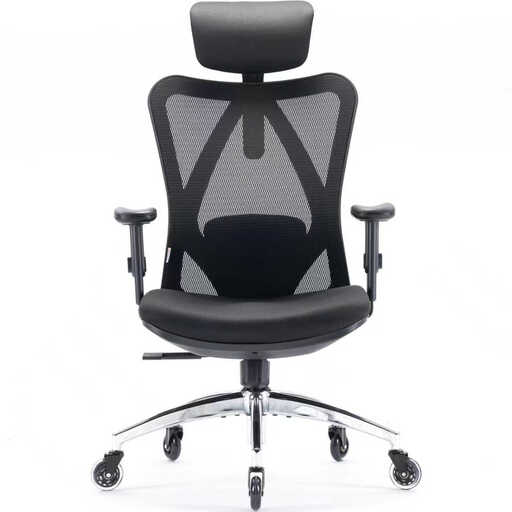
Why It Stands Out: This model offers a fantastic balance of core ergonomic features and durability. With five distinct adjustment points, it provides a customisable fit for a wide range of body types.
Pros:
Who is it for? This is an excellent all-round home office chair for professionals and students seeking reliable, customisable support for daily use.

Why It Stands Out: The M57S model elevates adjustability with its 3D armrests, which can be moved up/down, forward/backward and rotated. This is ideal for users who switch between tasks like typing, reading and using a tablet.
Pros:
Who is it for? This SIHOO office chair is suited for dynamic users who need precise arm support and appreciate a high degree of fine-tuning in their seating.
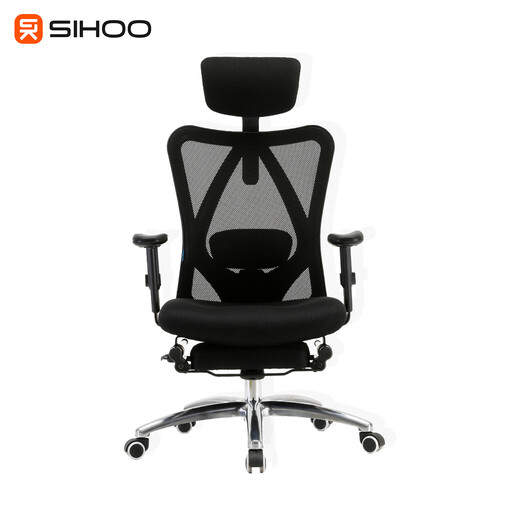
Why It Stands Out: This chair is designed for both work and relaxation. The inclusion of an adjustable, retractable footrest allows you to recline and take pressure off your legs and lower back during breaks.
Pros:
Who is it for? This chair is an excellent choice for those who spend very long days at their desk and value the ability to comfortably recline and relax during breaks.
While optimising your home office for comfort and productivity, you may also be considering other improvements around your home. For those looking to enhance their garden or outdoor spaces, we also have a selection of practical solutions.
If you're working on a gardening project, you can explore our range of green netting and other essentials.
1. How long should a good ergonomic office chair last? A well-made ergonomic office chair with a solid frame and high-quality components should last between 7 to 10 years. Factors like the quality of the mesh, the durability of the gas lift and the sturdiness of the base are key indicators. Chairs with BIFMA certification are tested for this kind of longevity.
2. Is a mesh office chair better for back pain? A mesh office chair can be very effective for managing office chair for back pain. The firm, yet flexible, support helps maintain the natural curve of the spine. Its breathability also prevents discomfort from heat, which can cause you to shift and lose proper posture. However, the most critical feature for back pain is adjustable lumbar support, which both mesh and padded chairs can offer.
3. What is the most important feature in an ergonomic office chair? While it's a combination of features that makes a chair truly ergonomic, the most critical is arguably adjustable lumbar support. Proper support for the lower back is fundamental to preventing slouching and reducing strain on the spine during long periods of sitting. Without it, even a chair with many other features may fail to provide long-term comfort.