
24/7 Customer Support

Free returns

Same-day & Next-day Delivery

Quality Guaranteed

Unlock Your Welcome Offers: FREE Delivery | Up to 80% OFF | Free 30-day JoyPlus trial
Download the APP
Spending hours at a desk is a modern reality for many of us, whether we're in a corporate office, a home study or a university library. While productivity is the goal, the toll on our bodies can be significant, often leading to persistent back pain, neck strain and general discomfort. An ergonomic office chair isn't a luxury; it's a foundational tool for maintaining comfort and focus throughout the day.
This guide is designed to help you navigate the features that matter. As Joybuy's Product Recommendation Officer, my role is to provide clear, practical advice to help you find a chair that supports your work, not one that adds to your aches and pains.
Before looking at specific models, it's helpful to understand what makes a chair truly ergonomic. Here are a few key considerations to guide your search.
A one-size-fits-all approach rarely works for seating. Your chair should adapt to your unique body shape and posture. Look for multiple adjustment points, particularly an office chair with lumbar support. The ideal lumbar support is height-adjustable to fit the natural curve of your lower back. Additionally, features like an adjustable headrest, seat height and depth controls and movable armrests allow you to create a personalised seating experience that reduces strain on your neck, shoulders and spine. A good high back desk chair can provide comprehensive support from your pelvis to your head.
The material of your chair affects both comfort and maintenance. A mesh computer chair is a popular choice for its breathability. The open weave allows for continuous airflow, which helps regulate temperature during long sessions. On the other hand, materials like PU leather, often found on an executive chair, offer a premium feel and are generally easy to wipe clean. Your choice will depend on your personal preference for temperature, the aesthetic of your space and how you plan to use the chair.
Standard office chairs are typically designed for an average build. If you are taller or heavier, it is wise to look for a heavy duty office chair. These models are constructed with reinforced frames and higher weight capacities to ensure stability and longevity. Also, consider your daily routine. If you enjoy taking short breaks to stretch or relax, a reclining office chair with footrest can offer an added layer of comfort, allowing you to change positions and relieve pressure throughout the day.
Based on these principles, we've selected a few standout models that cater to different needs and preferences for your home office chair.
Why It Stands Out: The SIHOO B100 focuses on dynamic, responsive support. Its key feature is the adaptive lumbar support system, which moves with you to provide consistent contact with your lower back. The wide, curved headrest offers substantial neck and head support, while the breathable mesh construction ensures you stay cool.
Pros:
Who is it for? This chair is an excellent choice for individuals needing a chair with a small footprint or those who prioritise breathability and dynamic back support throughout a long workday.
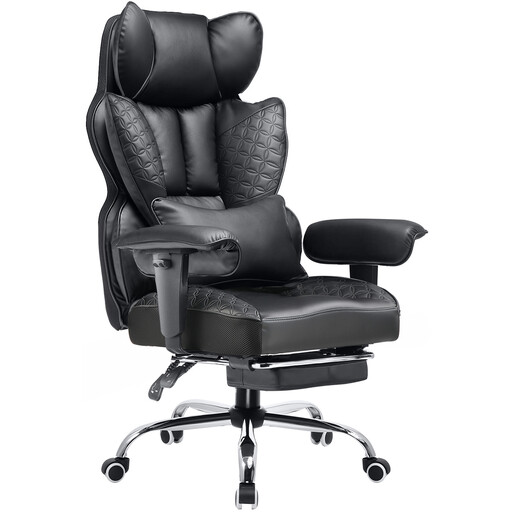
Why It Stands Out: Built for durability and comfort, this GTPLayer model is a true heavy duty office chair. Its robust construction is designed to accommodate larger and taller users without compromising on stability. The high back, padded PU leather and integrated footrest combine to create a commanding executive chair that is also ideal for relaxation.
Pros:
Who is it for? Anyone needing a more robust chair with a higher weight limit, or those who want the classic executive look combined with the functionality of a reclining chair with a footrest.
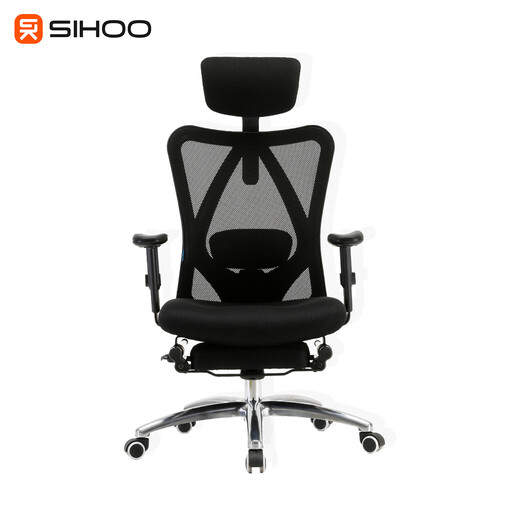
Why It Stands Out: The Sihoo M18JT offers a compelling blend of features, making it a versatile all-rounder. It pairs a breathable mesh computer chair back with a comfortable, high-density foam seat. With five distinct adjustment points—including back support, headrest and recline—it provides a highly customisable fit. The addition of an adjustable footrest makes it a strong contender for a multi-purpose home office chair.
Pros:
Who is it for? Users looking for a chair that balances focused work with relaxation. It's ideal for those who want the airflow of mesh and the comfort of a reclining footrest in one package.
While these selections cover a range of common needs, the world of ergonomic seating is vast. If you're particularly interested in chairs that offer enhanced leg support for different desk heights or user needs, you may find other specialised models more suitable.
Explore our curated selection of high chairs with adjustable footrests to find more options.
1. What is the most important feature in an office chair with lumbar support? The most critical feature is adjustability. A fixed lumbar curve may not align with your spine, potentially causing more harm than good. Look for chairs that allow you to adjust the height and, ideally, the depth (pressure) of the lumbar support to ensure it fits perfectly into the small of your back.
2. Is a mesh computer chair better than a leather one? Neither is inherently "better"; it comes down to personal preference and environment. Mesh excels in breathability, making it ideal for warmer climates or individuals who tend to feel hot while seated. Leather and PU leather offer a premium aesthetic, are often more padded and are simple to clean, but may feel warmer after prolonged contact.
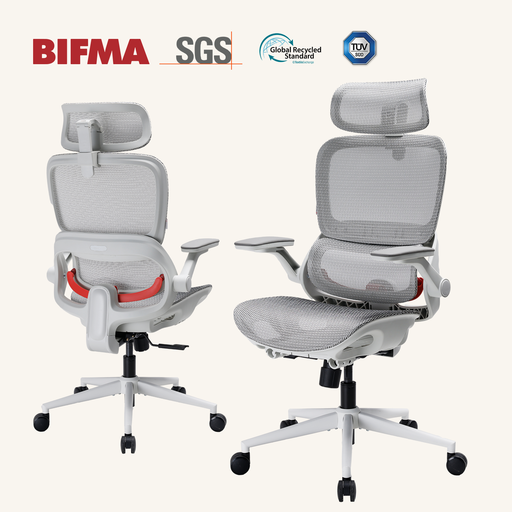
3. How long should an ergonomic office chair last? The lifespan of an ergonomic chair depends on its build quality, materials and frequency of use. A well-made chair with a solid frame and certified components (look for BIFMA or SGS certifications on parts like the gas lift) can reasonably be expected to last between 5 and 10 years with proper care. Regular maintenance, like tightening screws and cleaning surfaces, can extend its life.