
24/7 Customer Support

Free returns

Same-day & Next-day Delivery

Quality Guaranteed

Unlock Your Welcome Offers: FREE Delivery | Up to 80% OFF | Free 30-day JoyPlus trial
Download the APP
Spending hours at a desk is a modern reality for many of us, whether in a corporate setting or a home office. The consequence, all too often, is persistent back ache, neck strain and a general feeling of discomfort that can hinder focus and productivity. An ergonomic office chair is not a luxury; it is a fundamental tool for maintaining your well-being while you work.
This guide is designed to help you navigate the features that matter. We will break down what to look for in an ergonomic desk chair and present a few standout options to help you find the right fit for your body and your workspace.
Selecting the right chair involves more than just picking one that looks comfortable. Here are a few key considerations to guide your decision.
A truly ergonomic chair adapts to you, not the other way around. The most crucial feature is a high degree of customisation. Look for an adjustable office chair that allows you to modify:
The materials of a chair affect both comfort and durability. A mesh office chair offers excellent breathability, promoting air circulation to keep you cool during long sessions. PU leather, on the other hand, provides a classic executive look and is typically easy to wipe clean.
Pay close attention to the chair's construction. For those requiring more robust support, a heavy duty office chair with a steel frame and a high weight capacity is a sensible choice. Certifications, such as BIFMA (Business and Institutional Furniture Manufacturers Association), can also indicate that a chair has been tested for safety and durability.
Consider how you work. Do you spend long, uninterrupted hours focused on a screen? A high back office chair provides full support for your back, shoulders and neck. If you value taking short breaks to stretch and relax, an office chair with footrest and a deep recline function can be an excellent feature. The right chair is one that complements your daily routine and serves as a reliable computer chair for home office use or a corporate environment.
Based on these principles, we have selected a few models that offer a compelling combination of features, comfort and support.
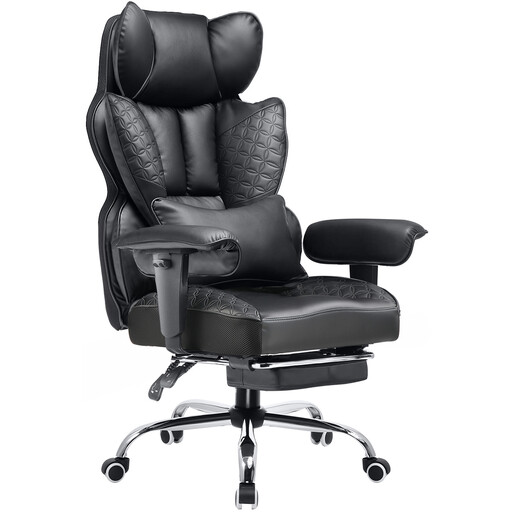
Why It Stands Out: This chair is built for substantial support and long-lasting comfort. Its heavy-duty construction and generous dimensions make it an excellent choice for larger individuals or anyone seeking a robust, executive-style chair. The integrated footrest and reclining function add a layer of relaxation not found in all office chairs.
Pros:
Who is it for? This chair is ideal for users who need a heavy duty office chair with a high weight capacity. It is also a great fit for those who prefer the classic look of a leather executive chair and want the added comfort of a built-in footrest for breaks.
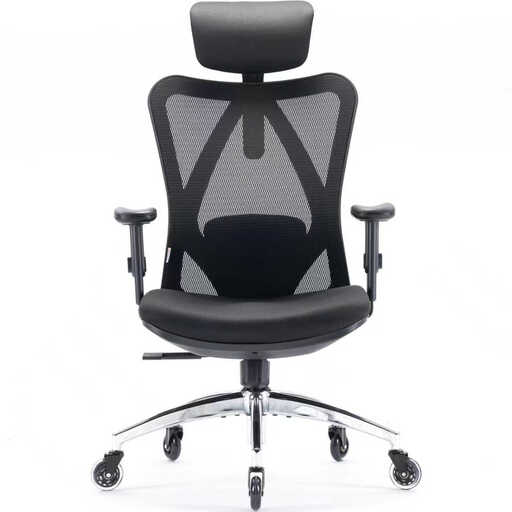
Why It Stands Out: The SIHOO chair is a masterclass in adjustability. With five distinct ergonomic settings—including the backrest, headrest, seat height, armrests and lumbar support—it allows for a truly personalised seating experience. Its breathable mesh back is a significant advantage for anyone who tends to feel warm while working.
Pros:
Who is it for? This is an excellent all-rounder for anyone seeking a highly adjustable office chair. It is particularly well-suited for those looking for an office chair for back pain, as the customisable lumbar support can be positioned precisely where it is needed most. Its modern design makes it a popular computer chair for home office setups.
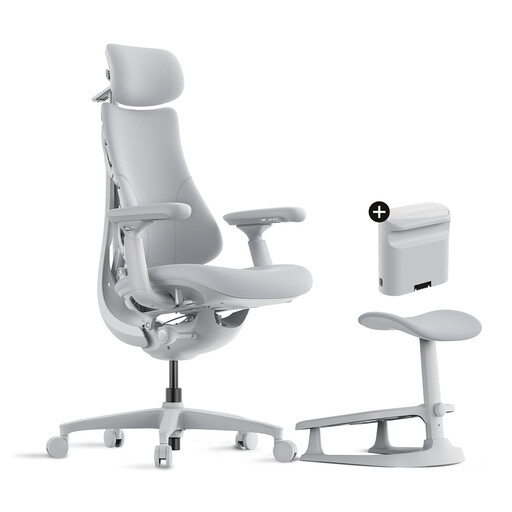
Why It Stands Out: The LiberNovo Omni goes beyond standard ergonomics with features focused on dynamic spinal health. Its adaptive lumbar support moves with you, while the integrated spine stretch function and deep 160° recline offer opportunities for restorative movement and relaxation throughout the workday.
Pros:
Who is it for? This chair is for the user who is highly conscious of their spinal health and wants more than just static support. If you are looking for features that encourage movement and help alleviate the stiffness that comes from sitting and you value a deep recline with a footrest, the LiberNovo Omni is a compelling option.
The chairs highlighted here offer comprehensive features, which often means they have a larger footprint. If your workspace is limited, finding a chair that fits your room is just as important as finding one that fits your body.
For those who need a more compact solution without compromising on comfort, explore our curated selection of space saving desk chair options.
1. Can an ergonomic chair really help with back pain? While no chair can be a medical cure, an ergonomic office chair is designed to promote better posture and reduce physical strain. By providing adjustable lumbar support and encouraging proper alignment, it can help alleviate the discomfort and stress on the spine that often contribute to back pain from prolonged sitting.
2. Is a mesh or leather office chair better? This depends on your personal preference and environment. A mesh office chair excels in breathability, making it ideal for warmer offices or for people who tend to overheat. A PU leather chair offers a classic, premium aesthetic, is generally more padded and can be easier to clean.
3. How long should an ergonomic office chair last? The lifespan of a chair depends on its build quality, materials and usage. A well-made chair with a solid frame (like steel) and high-quality components can last for many years. Look for indicators of durability, such as a high weight capacity and certifications like BIFMA, which test for performance and safety over time.