
24/7 Customer Support

Free returns

Same-day & Next-day Delivery

Quality Guaranteed

Unlock Your Welcome Offers: FREE Delivery | Up to 80% OFF | Free 30-day JoyPlus trial
Download the APP
Spending long hours at a desk is a modern reality for many of us, whether we're in a corporate office or a home study. The wrong chair can contribute to back pain, poor posture and general discomfort, turning a productive day into a struggle. Choosing the right ergonomic office chair isn't about luxury; it's a practical investment in your comfort and well-being.
This guide is designed to help you navigate the options. We'll outline the key features to look for and present a few carefully selected recommendations to help you find a chair that truly supports you through your workday.
Making an informed choice is easier when you know what features matter most. Here are a few key considerations to guide your search.
A truly ergonomic chair adapts to your body, not the other way around. Look for multiple points of adjustment to achieve a personalised fit. Key features include:
The material of your chair affects both comfort and durability. The most common choice for modern ergonomic chairs is mesh. A mesh office chair with headrest offers excellent breathability, promoting air circulation to keep you cool and comfortable throughout the day. The tension of the mesh can also provide firm, responsive support.
Look for chairs that have been tested against recognised industry standards. Certifications from bodies like BIFMA (Business and Institutional Furniture Manufacturers Association) and SGS indicate that a chair has undergone rigorous testing for safety, durability and structural integrity. This provides an objective measure of the product's quality and longevity.
Based on the criteria of adjustability, support and build quality, here are our recommendations for those seeking a home office chair for long hours.
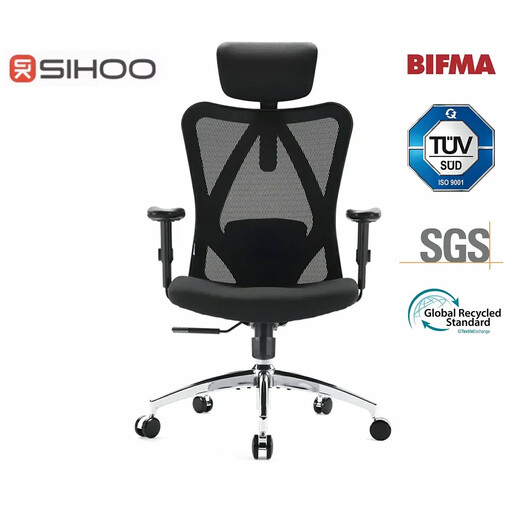
Why It Stands Out: The Sihoo M18 offers a comprehensive suite of ergonomic features at an accessible price point. It balances essential adjustability with a durable, certified build, making it a strong all-round performer for daily use.
The design focuses on core comfort principles. The W-shaped seat cushion encourages a centred posture, while the waterfall edge reduces pressure on the back of your thighs. Its BIFMA and SGS certifications confirm it has been tested for a weight capacity of up to 150 kg.
Pros:
Who is it for? This chair is an excellent choice for professionals and students who need a reliable and highly adjustable Sihoo office chair for their home office or study space without a premium budget.
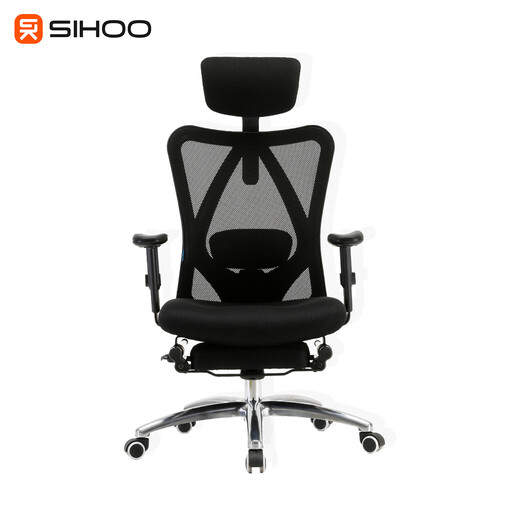
Why It Stands Out: The M18 Pro takes all the solid features of the standard M18 and adds a key feature for enhanced comfort: an adjustable, retractable footrest. This transforms the chair from a pure work tool into a space for relaxation during breaks.
Built on a sturdy aluminium base, it retains the five core adjustment points (headrest, back support, seat height, recline and armrests) and breathable mesh back. The addition of the footrest makes it a versatile option for those who work and relax in the same space.
Pros:
Who is it for? Ideal for remote workers who spend extended periods at their desk and value the ability to fully recline and elevate their feet during breaks.
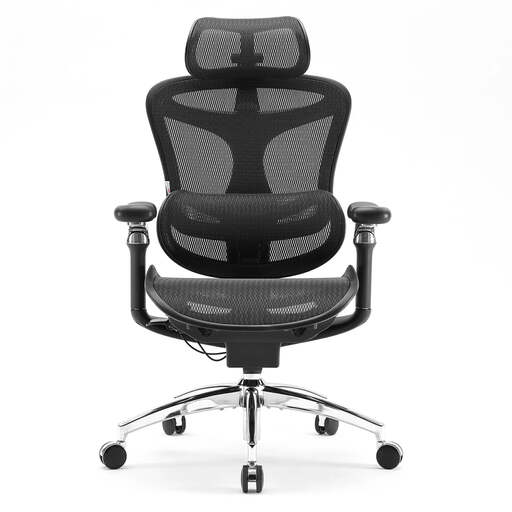
Why It Stands Out: The Doro C300 Pro is engineered for dynamic support, with features that actively adapt to your body's movements. Its standout elements are the self-adaptive dynamic lumbar support and the highly versatile 6D coordinated armrests.
Unlike static lumbar systems, the dynamic support on the C300 Pro flexes and pivots with you as you shift your posture. The 6D armrests move in sync with the chair's recline, keeping your arms comfortably supported in any position. The high-elasticity wave mesh provides a unique combination of softness and firm support.
Pros:
Who is it for? This chair is suited for users who demand the highest level of customisation and responsive support. It's a strong contender for tech professionals, designers and anyone who wants a chair that actively promotes healthy posture throughout the day.
If these models aren't the perfect fit, or if you'd like to compare them against other styles, we invite you to explore our full collection. You can find a wider variety of seating solutions in our complete desk chair category.
While all adjustment points are important, adjustable lumbar support is arguably the most critical. It directly addresses the lower back, which bears significant strain during prolonged sitting. Proper support in this area helps maintain the natural S-curve of the spine, reducing the risk of pain and discomfort.
The lifespan of an ergonomic chair depends on its build quality, materials and frequency of use. A well-made chair with certifications like BIFMA, used under normal conditions, can reasonably be expected to last between 7 to 10 years. Regular checks to tighten screws and components can help extend its life.
Neither is definitively "better," as it depends on personal preference. However, mesh chairs offer a distinct advantage in breathability, which helps regulate body temperature and prevent discomfort during long sessions. Fabric chairs may offer a plusher feel, but a high-quality, tensioned mesh can provide excellent, firm support while keeping you cool.