
24/7 Customer Support

Free returns

Same-day & Next-day Delivery

Quality Guaranteed

Unlock Your Welcome Offers: FREE Delivery | Up to 80% OFF | Free 30-day JoyPlus trial
Download the APP
With many of us spending more time at our desks than ever before, a supportive chair is no longer a luxury—it's a necessity. The shift to remote and hybrid work has highlighted the discomfort that comes from using an unsuitable seat, from persistent backache to neck strain. An ergonomic office chair is designed to support your body, promote good posture and enhance comfort throughout the working day.
Navigating the market can be confusing, with countless models all promising superior comfort. Our goal is to provide clear, practical guidance to help you choose a computer desk chair that genuinely meets your needs, fits your space and supports your well-being.
Before diving into specific models, it's helpful to understand the key features that make a chair truly ergonomic. Focusing on these elements will ensure you find a chair that works for you.
A one-size-fits-all approach rarely works for office seating. The ability to customise your chair to your body's unique dimensions is crucial. Look for features like:
high back desk chair will often have height-adjustable or depth-adjustable lumbar support.The materials of your chair affect both comfort and durability.
upholstered desk chair can offer a plusher feel and a warmer aesthetic, often blending more seamlessly into home decor.swivel chair with arms. Check for certifications like BIFMA, which indicate the chair has passed industry standards for safety and durability.Consider the size of your room and how you use your workspace. A large, executive-style chair might be ideal for a dedicated office, but a more compact task chair with folding arms could be a better solution for a smaller study or a multi-purpose room where space is at a premium.
Here are a few standout options that cater to different needs, from all-day ergonomic support to style-conscious home offices.
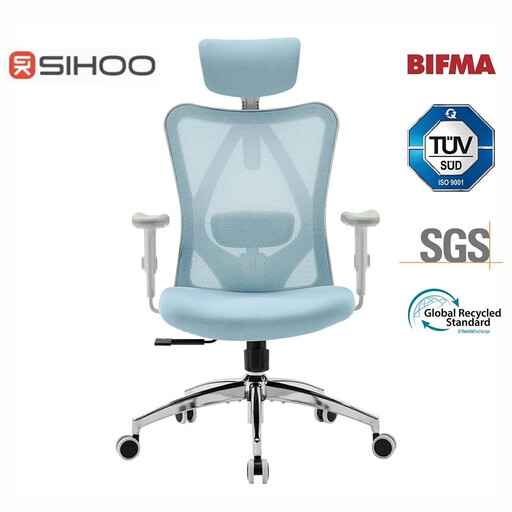
Why It Stands Out: The Sihoo M18 is a comprehensive ergonomic solution built for endurance. Its BIFMA and SGS certifications point to a durable build, supporting a maximum weight of 150 kg. The range of adjustments, from the multi-dimensional headrest to the lumbar support and 126° recline, allows for a highly personalised fit. The W-shaped seat with a waterfall edge is designed to reduce pressure on the thighs, a thoughtful detail for long-term sitting.
Pros:
Who is it for? Professionals and remote workers who spend the majority of their day seated and require a fully adjustable, reliable high back desk chair for their home office.
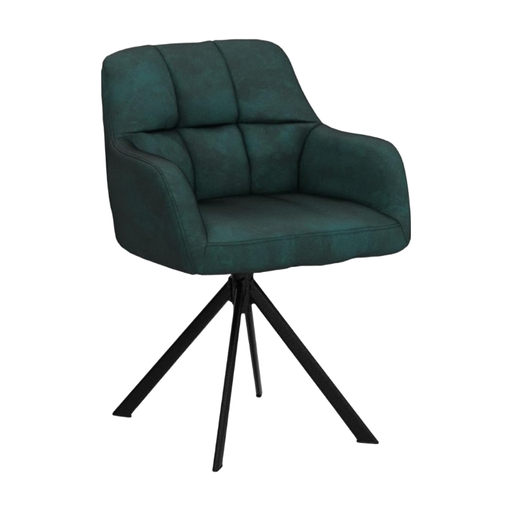
Why It Stands Out: This chair prioritises style without completely sacrificing comfort. The soft velvet upholstery and quilted backrest make it a statement piece that can elevate a study or bedroom workspace. While it lacks the deep ergonomic adjustments of a dedicated task chair, its slightly reclined back and padded seat provide good support for shorter work periods. The 360° swivel function adds a layer of convenience.
Pros:
Who is it for? Students, casual users or anyone looking for a stylish upholstered desk chair that complements their home decor and is used for a few hours at a time.
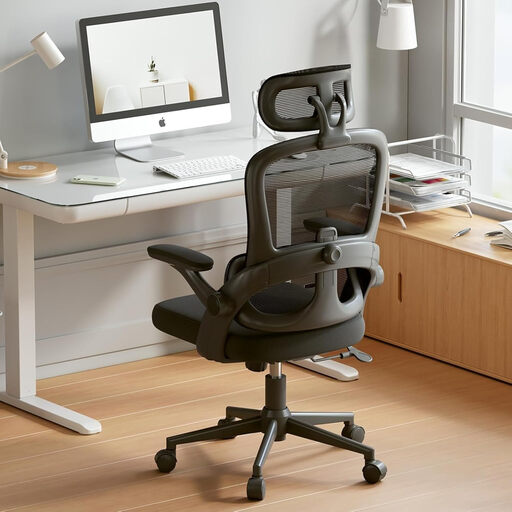
Why It Stands Out: The Sihoo M102C strikes an excellent balance between advanced ergonomics and practicality. Its standout feature is the combination of a separately adjustable lumbar support (with 6 cm of vertical travel) and 3D armrests that also fold up. This allows you to slide the chair completely under a desk, making it a superb choice for multi-use rooms. The wide, soft seat pad is designed to accommodate various body types comfortably.
Pros:
Who is it for? Users who need a versatile computer desk chair with serious ergonomic features but also value the ability to save space in a compact or shared environment.
If these specific models aren't quite what you're looking for, there are many other styles and configurations available. Explore our wider collection of swivel office chairs with arms to find the perfect match for your workspace.
1. What is the most important feature of an ergonomic office chair? While all adjustments are beneficial, the most critical is arguably the adjustable lumbar support. Proper support for the lower back is fundamental to maintaining a healthy posture and preventing pain during long periods of sitting. Seat height adjustment is a close second, as it ensures a proper foundation for your entire posture.
2. How long can you sit in an ergonomic chair? Ergonomic chairs are designed to provide support for a full workday (around 8 hours). However, even with the best chair, it is important to take regular breaks. Aim to stand up, stretch and walk around for a few minutes every hour to promote circulation and reduce muscle fatigue.