
24/7 Customer Support

Free returns

Same-day & Next-day Delivery

Quality Guaranteed

Unlock Your Welcome Offers: FREE Delivery | Up to 80% OFF | Free 30-day JoyPlus trial
Download the APP
As a Joybuy Product Recommendation Officer, my role is to help you make informed choices. With more of us working from home, the kitchen stool or dining chair is no longer a sustainable option for an eight-hour day. Aches and pains that start in the lower back can quickly spread, affecting your focus and well-being.
An ergonomic office chair with lumbar support is not a luxury; it is a fundamental tool for anyone spending significant time at a desk. This guide is designed to cut through the clutter, explaining what features truly matter and highlighting a few options to help you find the right support for your home office.
Choosing the right chair can feel overwhelming. To simplify the process, focus on these key areas to ensure you get the comfort and support you need.
A truly ergonomic chair adapts to you, not the other way around. One-size-fits-all rarely works for seating. Look for multiple adjustment points:
The material of your chair affects both comfort and longevity. A high back mesh office chair is a popular choice because the mesh allows for excellent air circulation, keeping you cool during long sessions. Leather and PU (polyurethane) offer a premium look and are easy to clean, while fabric chairs provide a softer feel but may require more maintenance. Consider your personal preference and home environment when making a choice.
Beyond basic adjustments, certain design features enhance a chair's ergonomic credentials. A "waterfall" seat edge, which curves downwards, helps to reduce pressure on the back of your thighs and improve circulation. A synchronous tilt mechanism, where the seat and backrest tilt together in a set ratio, encourages natural movement. For those who enjoy taking restorative breaks, a reclining office chair with footrest offers an added layer of comfort.
Here are a few recommendations that cater to different needs and spaces, from multi-functional rooms to dedicated home offices.
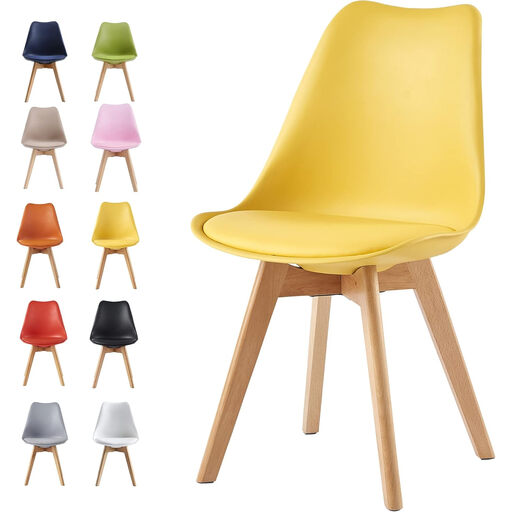
Why It Stands Out: Not every home has a dedicated office. This chair blends mid-century modern aesthetics with functional design, making it a great fit for a desk in a living room or dining area. The moulded polypropylene shell provides a surprising amount of back support for shorter work periods, and the integrated cushion adds a layer of comfort.
Pros:
Who is it for? This chair is ideal for individuals who work from home part-time or for shorter durations and need a versatile seat that looks at home in a dining or living space. It offers a significant step up in support from a standard dining chair without the corporate look of a traditional office chair.
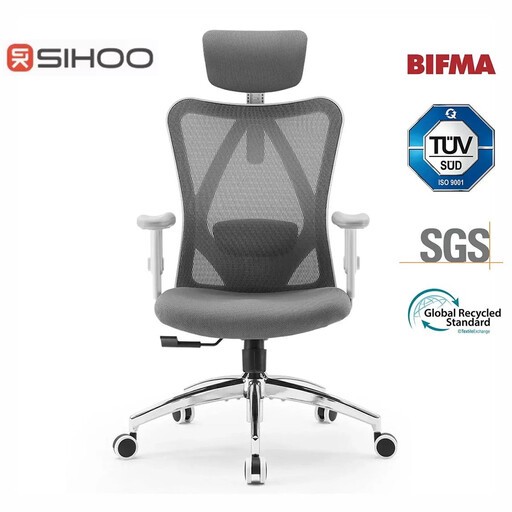
Why It Stands Out: The Sihoo M18 is a purpose-built home office chair designed for long hours of use. It features five distinct ergonomic adjustment points, including a responsive lumbar support system and an adjustable headrest. The high-quality mesh backrest promotes airflow, preventing overheating and discomfort during intense work sessions.
Pros:
Who is it for? This is an excellent choice for professionals, students or anyone who spends the majority of their workday seated. If you are looking for a dedicated desk chair for back pain prevention and all-day comfort, the M18’s comprehensive adjustability makes it a strong contender.
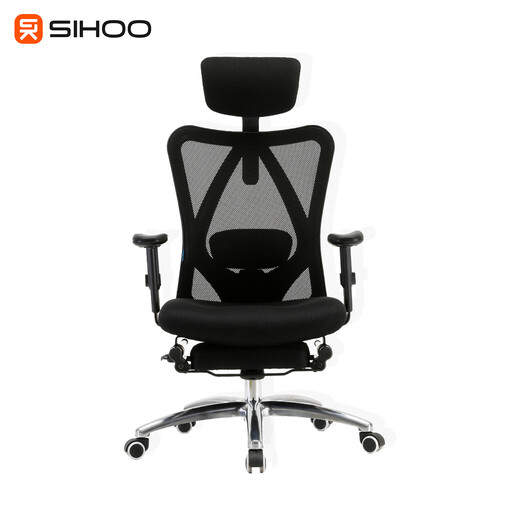
Why It Stands Out: Building on the solid foundation of the M18, the M18JT model adds a retractable footrest and a deeper recline function. This transforms the chair from a purely functional work tool into a personal comfort station. The ability to lean back and elevate your feet is perfect for taking short breaks, thinking through complex problems or simply de-stressing between meetings.
Pros:
Who is it for? This chair is for the user who prioritises maximum comfort and versatility. If your home office is your command centre and you value the ability to switch from focused work to a relaxed, reclined position, the added footrest makes the M18JT a compelling upgrade.
These three chairs represent a range of solutions, but the perfect fit is a personal choice. If you are interested in exploring a wider variety of seating that you can assemble at home, from functional office chairs to stylish accent pieces, we invite you to browse our full collection.
Discover more in our Assembly Required Chairs category.
1. Is an ergonomic office chair with lumbar support worth it? For anyone sitting for extended periods, the answer is a clear yes. A chair with proper, adjustable lumbar support helps maintain the natural S-curve of your spine, which can reduce muscle fatigue and discomfort over time. It is an investment in your daily comfort and long-term well-being.
2. How do I know if a chair's lumbar support is right for me? The key is adjustability. Look for a chair where you can change the height and/or depth of the lumbar cushion. The support should fit snugly into the small of your back (the lumbar region). When correctly positioned, you should feel supported without any uncomfortable pressure.
3. Can a good office chair help with existing back pain? While an ergonomic chair is not a medical treatment, it can play a significant role in alleviating discomfort associated with poor posture. By providing robust support for the spine and encouraging a healthier sitting position, it reduces the strain on your back muscles that often contributes to pain. Always consult a healthcare professional for medical advice.