
24/7 Customer Support

Free returns

Same-day & Next-day Delivery

Quality Guaranteed

Unlock Your Welcome Offers: FREE Delivery | Up to 80% OFF | Free 30-day JoyPlus trial
Download the APP
Aches, stiffness and that all-too-familiar lower back twinge—if you spend your days at a desk, these sensations are likely no stranger. The right ergonomic office chair promises relief and support, but the market is flooded with options that often fail to deliver. Many of us have bought a home office chair only to find it uncomfortable or unsupportive after just a few months.
As a Joybuy Product Recommendation Officer, my role is to help you cut through the clutter. Before you invest in your well-being, let's look at three common pitfalls that lead to buyer's remorse and how you can avoid them.
To ensure your new desk chair for back pain is a long-term asset, focus on these non-negotiable specifications.
True ergonomics comes from customisation. A chair should adapt to you, not the other way around. Look for these key adjustments:
mesh office chair with lumbar support will allow you to change the height and depth of the support to match your spine's natural curve. Some advanced models feature self-adaptive systems that move with you.adjustable computer chair should allow you to recline and lock the position. This is vital for changing your posture and relieving pressure throughout the day. A reclining office chair with footrest offers an added layer of comfort for taking short breaks.The materials and build quality determine a chair's lifespan and safety.
Based on these practical criteria, here are a few options matched to different user needs.
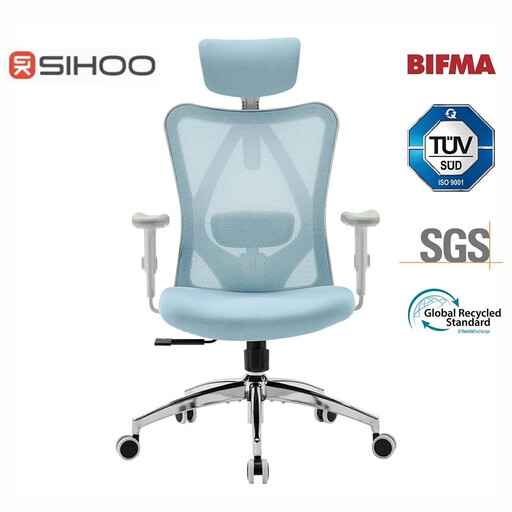
Why This Fits Their Persona: This is an excellent starting point for remote workers seeking a significant upgrade from a standard desk chair. It provides the core ergonomic adjustments needed for a full workday without an excessive price tag.
It moves beyond a vague "ergonomic" label with concrete, adjustable features, including height-adjustable lumbar support, armrests and a multi-dimensional headrest. It is also BIFMA and SGS certified, ensuring its durability and safety.
Features a W-shaped padded seat to reduce thigh pressure and a breathable mesh back. Offers a solid range of adjustments, including a 126° recline, providing great value.
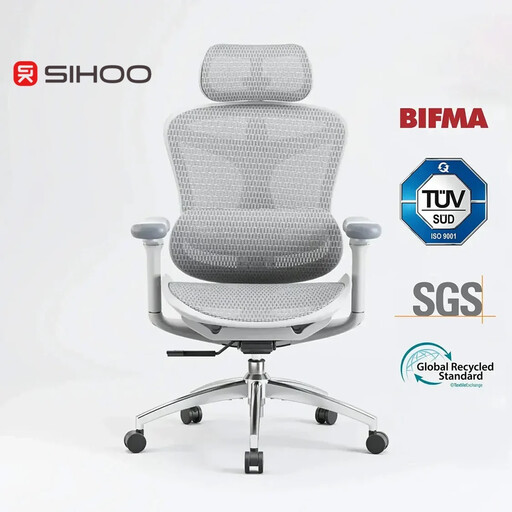
Why This Fits Their Persona: Ideal for tech professionals, designers or anyone spending over eight hours a day seated. This user needs advanced, responsive support to minimise fatigue and maintain focus.
It directly counters the fixed-cushion flaw with a self-adaptive dynamic lumbar support system that moves with your body, providing continuous support rather than a static push. The flexible mesh backrest further adapts to your posture.
Features soft 3D armrests that adjust in three directions and an intelligent weight-sensitive recline mechanism. It holds multiple safety certifications, including EU REACH and German T?V.
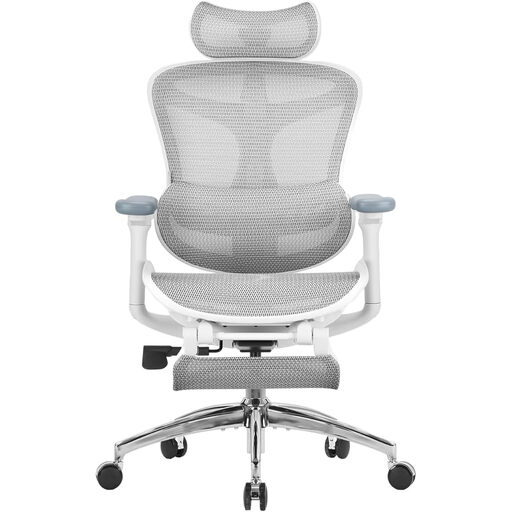
Why This Fits Their Persona: This is for the user who wants the highest level of customisation for intensive work and integrated features for relaxation. It's a complete work-and-rest station in one.
This model represents the pinnacle of adjustability, leaving no room for "one-size-fits-all" flaws. The 6D coordinated armrests and seat depth adjustment provide a truly bespoke fit, while the integrated footrest adds verified functionality.
Combines the C300's dynamic support with upgraded 6D armrests, a wider seat and a greater recline angle (up to 135°). The integrated pedal makes it a true reclining office chair with footrest.
We have compiled a complete, real-time list of products that fully satisfy these strict selection criteria and UK safety regulations.
A quality ergonomic chair with a sturdy frame and certified components should last between 7 to 10 years with regular use. The warranty period is often a good indicator of the manufacturer's confidence in their product. Key parts like the gas lift and castors may need replacing over time, but the core structure should remain sound.
Neither is inherently "better," as it depends on your priorities. A mesh office chair with lumbar support offers superior breathability, which is a significant advantage during long work sessions or in warmer environments. It also conforms well to your body. PU leather chairs provide a classic aesthetic and can feel more plush, but may retain heat and show wear differently.
BIFMA is an industry standard that signifies a product has passed rigorous tests for safety, durability and structural integrity. For a chair, this includes testing the stability of the base, the durability of the backrest and armrests under force and the life cycle of the castors and swivel mechanism. A BIFMA-certified chair has been proven to be a safe and durable piece of equipment for its intended use.