
24/7 Customer Support

Free returns

Same-day & Next-day Delivery

Quality Guaranteed

Unlock Your Welcome Offers: FREE Delivery | Up to 80% OFF | Free 30-day JoyPlus trial
Download the APP
For many of us in the UK, the line between the living room and the workplace has blurred. Whether you are a dedicated remote professional, a student tackling coursework, or a gamer settling in for a long session, the hours spent at a desk can take a toll. Aches in the lower back, stiffness in the neck and general discomfort are common complaints that can hinder both productivity and well-being.
An ergonomic office chair is not a luxury; it is a fundamental component of a healthy and efficient workspace. This guide is designed to help you understand the key features to look for, cutting through the marketing jargon to focus on what truly matters for your comfort and posture. We will explore what makes a great home office chair and present a few recommendations to help you make a sound investment in your daily comfort.
Selecting the right chair can feel overwhelming with so many features and specifications to consider. By focusing on a few core principles, you can simplify the process and find a chair that fits your body and your work habits.
A truly ergonomic chair adapts to you, not the other way around. An adjustable office chair is the cornerstone of a personalised seating experience. Look for multiple points of adjustment:
Persistent lower back pain is one of the most common issues stemming from poor seating. A desk chair with lumbar support is designed to fill the gap between your lower spine and the back of the chair, promoting the natural inward curve of your back. Some chairs offer fixed support, while more advanced models feature adjustable or dynamic lumbar systems that move with you, providing continuous support as you shift your position. This feature is particularly vital for anyone using a computer chair for long hours.
The materials of a chair impact both comfort and durability. A mesh ergonomic chair is a popular choice for good reason. The breathable fabric allows for better air circulation, preventing heat build-up during extended periods of sitting. The frame and base are equally important. Look for chairs with certifications from bodies like BIFMA (Business and Institutional Furniture Manufacturer's Association), which indicates the product has passed rigorous standards for safety and durability.
Based on these principles, we have selected a few standout options from the Sihoo office chair range that cater to different needs and preferences.
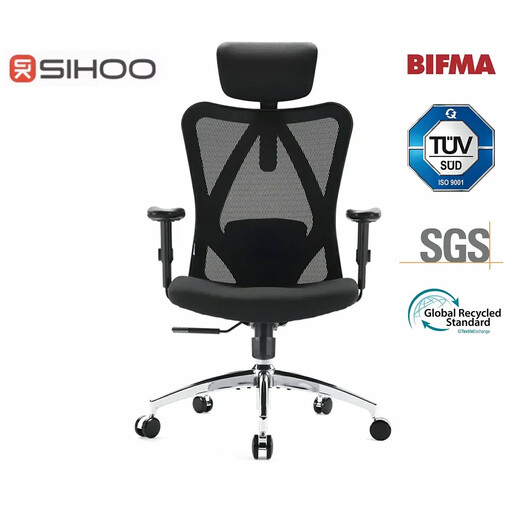
Why It Stands Out The Sihoo M18 is an excellent all-rounder that delivers a comprehensive set of ergonomic features. It is certified by BIFMA and SGS and supports a weight of up to 150 kg, attesting to its robust construction. Its design focuses on total-body support, from the multi-dimensional rotating headrest down to the W-shaped seat cushion, which is designed to promote a centred posture and reduce pressure on the thighs with its waterfall edge.
Pros
Who is it for? This chair is a superb choice for individuals seeking their first serious ergonomic upgrade. It provides all the essential adjustable features needed for a comfortable home office setup without an excessive price tag.
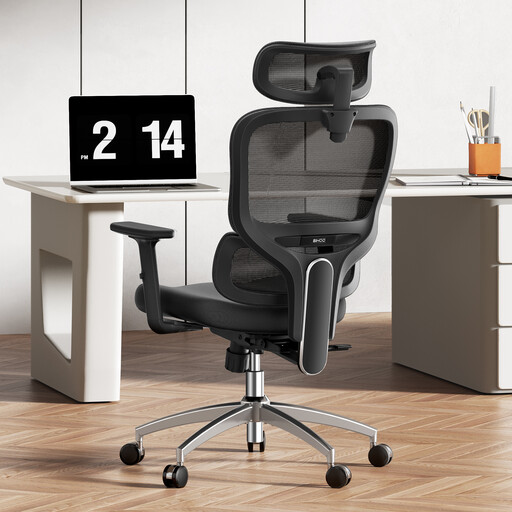
Why It Stands Out The SIHOO M56C places a special emphasis on responsive back support. Its key feature is the 3D dynamic lumbar support, which automatically adjusts to your posture as you move. This provides more consistent support to the lower back compared to static systems, making it an excellent option for those who find themselves shifting and fidgeting throughout the workday.
Pros
Who is it for? This model is well-suited for users whose primary concern is preventing or managing lower back discomfort. If you value a chair that works with you, the dynamic support system is a significant benefit.
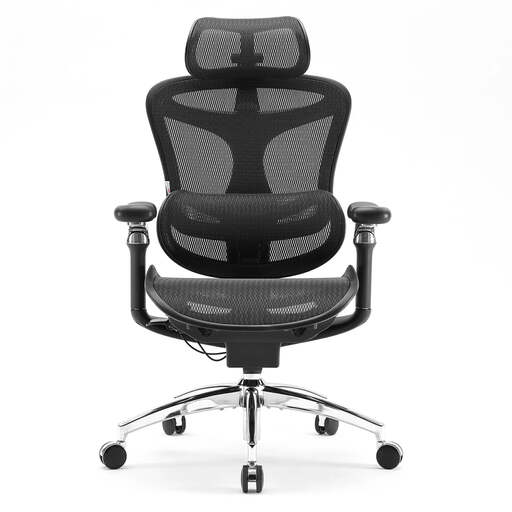
Why It Stands Out The Doro C300 Pro represents a top-tier option for those who demand the highest level of customisation. Its most notable features are the ultra-soft 6D armrests, which adjust in six different directions to provide optimal support for your arms, wrists and shoulders. This is complemented by a self-adaptive dynamic lumbar support system and a high-elasticity wave mesh that conforms perfectly to your body.
Pros
Who is it for? This chair is designed for the discerning user—such as a full-time remote worker, programmer or avid gamer—who spends the majority of their day seated and requires maximum ergonomic fine-tuning.
The right chair is a highly personal choice, and what works for one person may not be ideal for another. If you are still exploring or wish to compare these models with other styles, we invite you to browse our complete collection.
Discover a wider range of seating solutions in our full home office table and desk chair category.
1. How many hours a day should you sit in an ergonomic chair? While an ergonomic chair is designed to provide support for a full workday (8+ hours), the most important habit for your health is to incorporate regular movement. Aim to stand up, stretch and walk around for a few minutes every hour. The chair's function is to ensure your posture is supported correctly while you are sitting.
2. What is the most important feature in an ergonomic office chair? For most people, adjustable lumbar support is the most critical feature for preventing back pain. After that, seat height and armrest adjustability are essential for aligning your body properly with your desk and keyboard, which helps reduce strain on your neck, shoulders and wrists.
3. Is a mesh ergonomic chair better than a leather one? This often comes down to personal preference and environment. A mesh ergonomic chair provides superior breathability, which is a significant advantage for staying cool and comfortable during long hours or in warmer rooms. Leather chairs can offer a classic aesthetic and a different feel, but they typically retain more heat. The choice involves balancing thermal comfort with your preferred style.