
24/7 Customer Support

Free returns

Same-day & Next-day Delivery

Quality Guaranteed

Unlock Your Welcome Offers: FREE Delivery | Up to 80% OFF | Free 30-day JoyPlus trial
Download the APP
Spending hours at a desk is a modern reality for many of us, whether we're in a corporate building or a dedicated corner of our home. The persistent ache in your lower back, the stiffness in your neck—these are common complaints that can stem from an unsupportive chair. An ergonomic office chair isn't a luxury; it's a fundamental tool for maintaining comfort and focus throughout your workday.
This guide is designed to help you navigate the key features of ergonomic seating. We'll break down what truly matters, from lumbar support to adjustability, and present a few standout options to help you find a comfortable desk chair that fits your needs.
Choosing the right chair can feel overwhelming with so many features and terms. Let's simplify the process by focusing on what provides genuine, practical benefits.
A truly ergonomic chair adapts to you, not the other way around. The single most important feature is adjustable support. Look for an office chair with lumbar support that can be fine-tuned to fit the natural curve of your lower back. Beyond that, key adjustments include:
Consider how you work. Do you spend uninterrupted hours typing, or do you take frequent breaks to think and stretch?
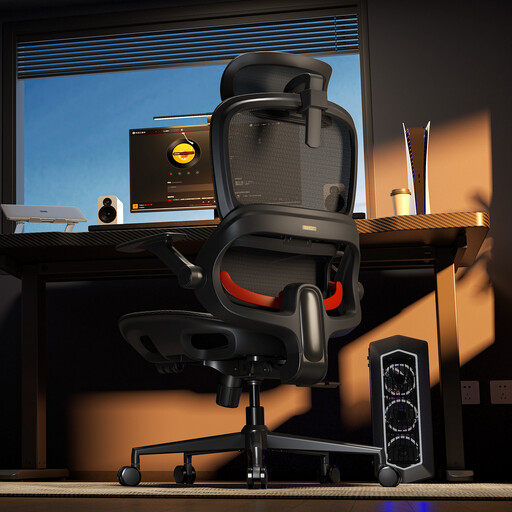
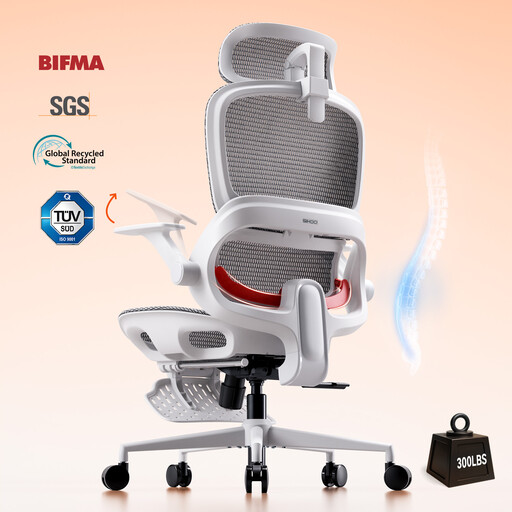
A high back office chair provides full support for your spine, shoulders and neck, making it a solid choice for those who spend the majority of their day seated. For those who appreciate the option to fully relax, a desk chair with footrest offers a significant upgrade in comfort, allowing you to elevate your legs and reduce pressure during breaks. This feature transforms a simple seat into a multi-functional piece of your home office furniture.
The materials of your chair affect both comfort and longevity. Breathable mesh is a popular choice for the backrest as it promotes air circulation, keeping you cool during long sessions. For the seat, high-density foam provides firm yet comfortable support that resists flattening over time. Ensure the base and castors are made from durable materials to create a stable and reliable computer chair for long hours of use.
Based on features that promote comfort and adaptability, here are our recommendations for your consideration.
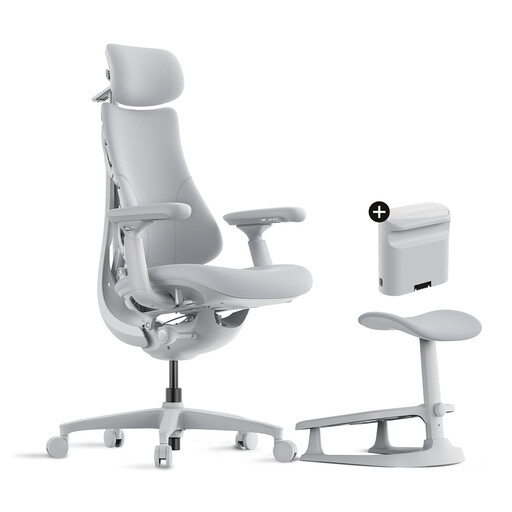
A supportive chair is the centrepiece of an ergonomic setup, but creating a truly comfortable and productive environment often involves more. As you optimise your primary seating, you might consider other functional furniture that enhances your space. A multi-purpose ottoman, for instance, can serve as an alternative footrest, extra storage or casual seating for guests in a home office.
If you're looking to explore versatile additions for your office, take a look at our selection of stylish grey ottoman tables.
1. How do I know if a chair is truly ergonomic? A chair's ergonomic value comes from its adjustability. Look for key customisation points: adjustable seat height, seat depth, lumbar support and armrests. A chair that can be tailored to your body's specific dimensions and posture is one that will provide genuine ergonomic benefits.
2. Is a high back office chair better? A high back chair is generally better for individuals who spend most of their day seated, as it provides support for the entire back, shoulders and neck. This can help reduce upper body strain. However, a mid-back chair can be sufficient for those who sit for shorter periods or prefer more freedom of movement.
3. How long should an ergonomic office chair last? The lifespan of an office chair depends on its build quality, materials and frequency of use. A well-made chair with a sturdy metal base, durable castors and high-density foam padding can be expected to provide reliable support for five to ten years. Regular maintenance, such as tightening screws and cleaning upholstery, can also extend its life.