
24/7 Customer Support

Free returns

Same-day & Next-day Delivery

Quality Guaranteed

Unlock Your Welcome Offers: FREE Delivery | Up to 80% OFF | Free 30-day JoyPlus trial
Download the APP
Spending long hours at a desk is a modern reality for many of us in the UK. Whether you are in a corporate office or a home study, the chair you sit in has a significant impact on your comfort, focus and long-term well-being. An unsuitable chair can contribute to back pain, poor posture and reduced productivity.
Choosing the right ergonomic office chair can feel overwhelming with so many features and technical terms to decipher. This guide is designed to cut through the jargon, offering practical advice to help you identify what truly matters for your body and your workday. We will explore key features to look for and present a few carefully selected options to consider.
Before looking at specific models, understanding the core components of a good computer desk chair will empower you to make an informed decision. Here are three key areas to focus on.
A truly ergonomic chair adapts to you, not the other way around. An adjustable office chair is non-negotiable for sustained comfort. Look for multiple points of adjustment, including:
One of the most common complaints from desk workers is lower back pain. An office chair with lumbar support is crucial for maintaining the natural curve of your spine. Quality chairs offer more than just a static cushion; they provide dynamic or adjustable support that can be fine-tuned for height and depth to fit your specific spinal curve. This feature is a primary consideration for anyone seeking a desk chair for back pain.
The materials of a chair affect both comfort and longevity. A mesh office chair is a popular choice for its breathability, which helps regulate temperature during long sessions. The frame and base should be robust, often made from steel or heavy-duty nylon. To verify durability and safety, look for certifications like BIFMA (Business and Institutional Furniture Manufacturers Association) and SGS. These independent standards indicate that the chair has passed rigorous tests for performance and structural integrity.
Based on the criteria of adjustability, support and certified quality, here are our recommendations for your home office chair.
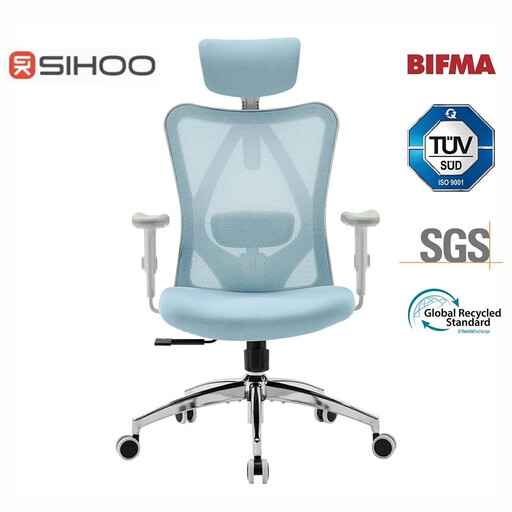
Why It Stands Out: The Sihoo M18 is a well-rounded option that delivers on core ergonomic principles. It holds both BIFMA and SGS certifications, with a static pressure test of 1136 kg, providing confidence in its durability. Its design focuses on user comfort with a W-shaped padded seat and waterfall front edge, which helps to reduce pressure on the thighs.
Pros:
Who is it for?: This is an excellent choice for professionals and students setting up a home office chair for the first time or upgrading from a basic model. It offers a comprehensive set of ergonomic features and certified quality at an accessible price point.
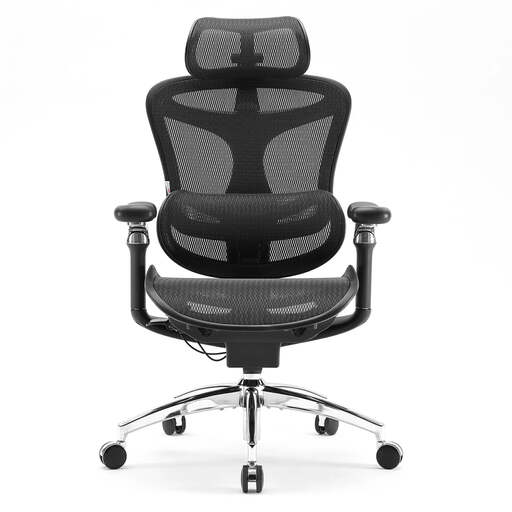
Why It Stands Out: The Doro C300 Pro is engineered for those who demand maximum customisation. Its standout features are the self-adaptive dynamic lumbar support, which moves with your body, and the highly advanced 6D coordinated armrests. These armrests move in sync with the backrest as you recline, providing continuous support for your arms and shoulders.
Pros:
Who is it for?: This high back desk chair is suited for individuals who spend the majority of their workday seated, such as IT professionals, designers and executives. Its advanced dynamic support systems make it a strong candidate for users actively looking to manage or prevent back discomfort.

Why It Stands Out: The Doro S100 distinguishes itself with a dual dynamic lumbar support system and an independently adjustable backrest. This unique backrest can be adjusted through five height levels, making it highly adaptable for users of different heights (from 150 cm to 190 cm) and ensuring support extends properly to the shoulders and neck.
Pros:
Who is it for?: This Sihoo office chair is ideal for users who struggle to find a chair that fits their torso length correctly. Its highly customisable back and lumbar support make it a great fit for those with specific postural needs or those in shared office spaces.
These recommendations offer a glimpse into what a modern ergonomic chair can provide. If your needs are different or you simply wish to browse a wider variety, you can explore our full collection of home office desk chairs to find the perfect match for your workspace.
1. How long should an ergonomic office chair last? The lifespan of an ergonomic chair depends on its build quality, materials and usage. A well-made chair with certifications like BIFMA is designed for durability and should typically last between 5 to 10 years with proper care. Regularly checking and tightening screws will help maintain its stability.
2. Is a mesh office chair better for back pain? While a mesh office chair provides excellent breathability, which enhances overall comfort, the material itself is not the primary factor for alleviating back pain. The most critical element is the chair's support system. A chair with an adjustable, dynamic office chair with lumbar support will be more effective at promoting good posture and reducing pain, regardless of whether it is mesh or fabric.
3. What is the most important feature in a computer desk chair? There is no single "most important" feature. A truly effective ergonomic office chair is a system where all parts work together. However, the combination of comprehensive adjustability (seat height, depth, armrests) and responsive lumbar support is the foundation. This combination allows you to tailor the chair to your unique body shape and maintain a healthy posture throughout the day.