
24/7 Customer Support

Free returns

Same-day & Next-day Delivery

Quality Guaranteed

Unlock Your Welcome Offers: FREE Delivery | Up to 80% OFF | Free 30-day JoyPlus trial
Download the APP
Spending hours at a desk is a modern reality for many of us, whether we're working from home, studying or gaming. Unfortunately, so is the back pain, neck stiffness and general discomfort that often comes with it. An unsupportive chair can negatively impact not just your posture and health, but also your focus and productivity.
Choosing the right ergonomic office chair is an investment in your well-being. However, the market is filled with options, making it difficult to know where to start. This guide is designed to help you understand the key features to look for and to present a few carefully selected models that cater to different needs and preferences.
Before diving into specific products, it's useful to know what features make a chair genuinely supportive. Focusing on these three areas will help you make a more informed decision.
A truly ergonomic chair adapts to your body, not the other way around. Look for an adjustable office chair with multiple customisation points. Key features include:
Chairs that meet BIFMA (Business and Institutional Furniture Manufacturers Association) standards have been tested for safety and durability, offering an extra layer of confidence in their construction.
The material of your chair affects both comfort and maintenance. The two most common options are mesh and fabric.
Consider how you move around your workspace. A home office chair with wheels offers excellent mobility, allowing you to glide between tasks effortlessly. However, if your workspace is compact or you have flooring you wish to protect, a stationary chair with a swivel base and non-slip feet can provide stability without sacrificing movement.
Here are a few recommendations that showcase a range of features and styles, selected to meet the demands of an office chair for long hours.
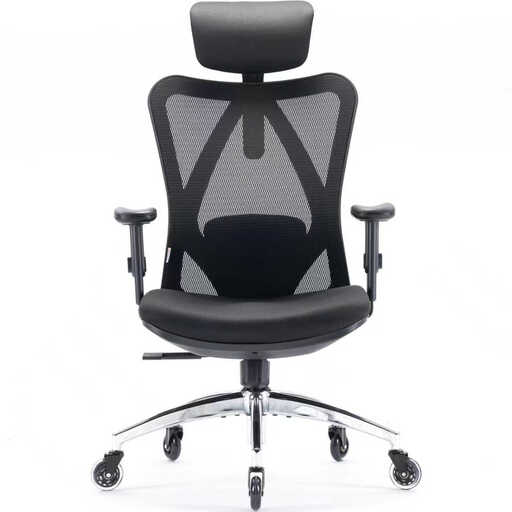
Why It Stands Out: The Sihoo M18 office chair is a strong candidate for those who prioritise function and full-body support. Its design is centred on customisation, with five distinct ergonomic adjustment points, including the headrest, backrest and lumbar support. The breathable mesh back is engineered to keep you cool and comfortable, even after hours of continuous work.
Pros:
Who is it for? Professionals, remote workers and gamers who spend the majority of their day seated and require a high degree of adjustability to maintain comfort and focus.
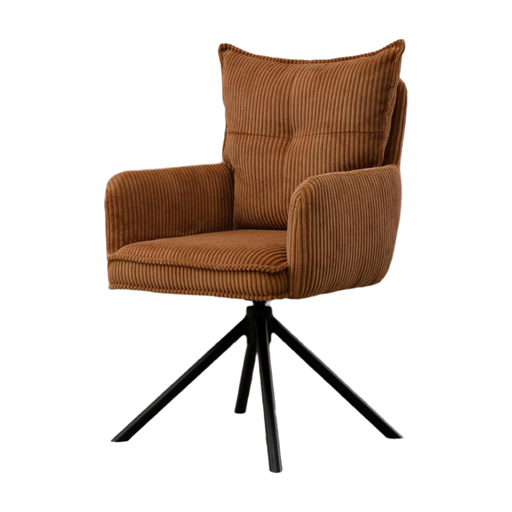
Why It Stands Out: This chair blends a classic aesthetic with modern comfort. Upholstered in soft corduroy fabric with a tufted back, it offers a stylish alternative to traditional office chairs. While it forgoes wheels, its sturdy metal base provides a stable 360-degree swivel, and non-slip feet protect your floors.
Pros:
Who is it for? Individuals looking for a comfortable and stylish stationary chair for a home office or multi-purpose room, who value aesthetics alongside functional support.

Why It Stands Out: This chair proves that you don't have to sacrifice ergonomics in a compact space. Its armless design allows it to be tucked neatly under a desk, while the soft velvet upholstery and criss-cross base add a touch of elegance. It still delivers on key ergonomic features, including an adjustable height mechanism and a separate lumbar pillow for tailored back support.
Pros:
Who is it for? Users in compact spaces like dorms, bedrooms or home offices who need a mobile and adjustable chair that combines modern style with practical support.
A traditional wheeled office chair isn't the right fit for every space or preference. Stationary chairs can offer enhanced stability, protect delicate flooring like hardwood and often feature unique designs that blend seamlessly into home decor.
If a fixed-base chair better suits your needs, you can explore a wider selection of options. Discover more in our collection of desk chairs with no wheels.
1. How long should an ergonomic office chair last? The lifespan of an ergonomic chair depends on its build quality, materials and frequency of use. A well-made chair with quality components, like those with BIFMA certification, can reasonably be expected to last between 5 to 10 years. Regular checks to tighten screws and proper care will help extend its life.
2. Is a mesh or fabric office chair better for long hours? This comes down to personal preference and environment. Mesh chairs excel at breathability, making them ideal for warmer settings or for people who tend to run hot. Fabric chairs offer a softer, more cushioned feel that some users find more comfortable. Both can be suitable for long hours, provided the chair has the right ergonomic adjustments.
3. What is the most important feature in an ergonomic chair? While all adjustments are important for a personalised fit, adjustable lumbar support is arguably one of the most critical features. It directly supports the lower back, helping to maintain a healthy posture and prevent the slouching that leads to long-term pain. However, the greatest benefit comes from a combination of features working together to support your entire body.