
24/7 Customer Support

Free returns

Same-day & Next-day Delivery

Quality Guaranteed

Unlock Your Welcome Offers: FREE Delivery | Up to 80% OFF | Free 30-day JoyPlus trial
Download the APP
Spending long hours at a desk is a modern reality for many of us, whether in a corporate setting or a home office. Unfortunately, this can often lead to persistent discomfort in the back, neck and shoulders. An inadequate chair forces your body into unnatural positions, contributing to poor posture and chronic pain. Investing in a proper ergonomic office chair is not a luxury; it is a fundamental step towards improving daily comfort and long-term well-being.
This guide is designed to help you navigate the key features of a supportive chair. We will outline what to look for and present a few of our top recommendations to help you find a model that fits your body and your work style.
Choosing the right chair can feel overwhelming with so many features and terms. Focussing on a few core principles of ergonomics can simplify the process.
A one-size-fits-all approach does not work for seating. A truly effective adjustable desk chair should adapt to your unique body shape and size. Key adjustments to look for include:
One of the most common complaints from desk workers is lower back pain. An office chair with lumbar support is essential for maintaining the natural inward curve of your spine. Some chairs offer fixed support, while more advanced models feature dynamic or adjustable systems that move with you. For those who want full-spine alignment, a high back computer chair provides crucial support for the upper back, shoulders and neck, which is particularly beneficial for taller individuals.
The material of your chair affects both comfort and longevity. While leather and fabric have their place, a mesh office chair offers superior breathability. The open-weave construction allows for continuous airflow, preventing heat and moisture build-up during long periods of sitting. This helps you stay cool and comfortable, especially in warmer environments. When assessing materials, also look for certifications like BIFMA, which indicate that the chair has passed industry standards for safety and durability.
Based on features that promote support and customisation, here are our recommendations for those seeking to upgrade their seating.
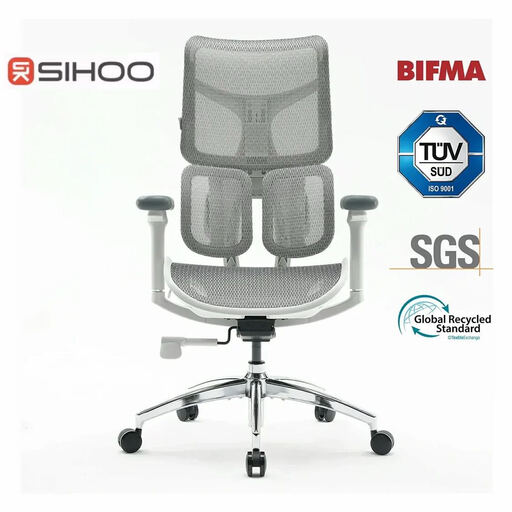
Why It Stands Out: The Dora S100 is engineered with a focus on responsive support. Its standout feature is the dual dynamic lumbar support system, which automatically adjusts to your posture. This is paired with 4D coordinated armrests that move with the backrest as you recline, ensuring your arms remain supported in any position.
Pros:
Who is it for? Individuals looking for a sophisticated home office chair with advanced, adaptive technology. It is well-suited for those who shift positions frequently and require continuous, dynamic support throughout the day.
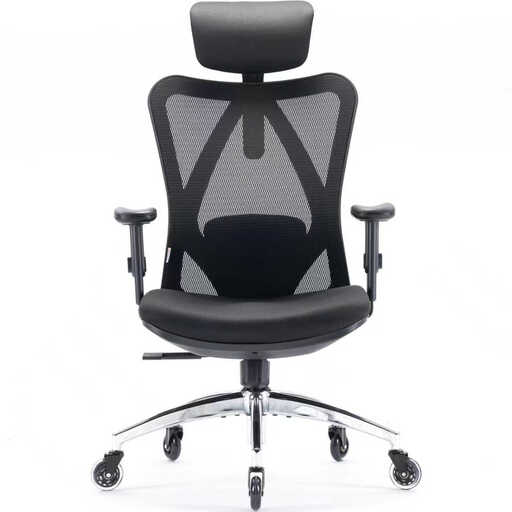
Why It Stands Out: The SIHOO M18 provides a comprehensive suite of ergonomic features in a classic design. It offers 5 distinct ergonomic settings, including an adjustable headrest, backrest and lumbar support, making it a versatile option for a wide range of users seeking a reliable chair for back pain.
Pros:
Who is it for? Professionals, remote workers and students who need a dependable, all-around ergonomic chair. Its straightforward adjustments and robust build make it an excellent choice for daily, long-term use.
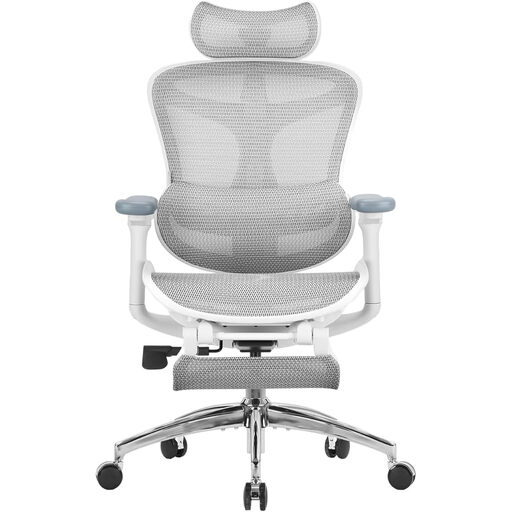
Why It Stands Out: The Doro C300 Pro is designed for maximum customisation and comfort. It elevates the ergonomic experience with premium features like ultra-soft 6D coordinated armrests and an integrated footrest (pedal), allowing for a fully supported recline.
Pros:
Who is it for? Users who prioritise a highly personalised seating experience. Its extensive adjustability, particularly in the armrests and recline function, makes it ideal for those who spend very long hours at their desk and value the ability to switch between focused work and relaxed postures.
While these models offer excellent ergonomic benefits, we understand that aesthetics are also important. If you are looking for a chair to match a specific interior design, such as a minimalist or modern workspace, there are many other options to consider.
Discover more styles in our wider collection. Explore our white mesh office chair category to find the perfect match for your office.
How do I know if an office chair is truly ergonomic? A truly ergonomic chair is defined by its adjustability. Look for key customisable features that allow the chair to fit your body, not the other way around. These must include adjustable seat height and depth, adjustable lumbar support and multi-directional armrests. The goal is to support a neutral, healthy posture.
Is a mesh office chair better than a leather one? This largely comes down to personal preference and environment. Mesh chairs offer superior breathability, which is a significant advantage for preventing heat and sweat during long work sessions. Leather chairs often have a more traditional, premium appearance and can be very comfortable, but they retain more heat and require more maintenance. For pure functional comfort over extended periods, many people prefer mesh.
How long should an ergonomic office chair last? The lifespan of an office chair depends on its build quality, materials and frequency of use. A well-made ergonomic chair should last between 5 to 10 years. Look for chairs with a solid metal frame (steel or aluminium alloy) and components that have been tested for durability, often indicated by certifications like BIFMA or SGS. Regular maintenance, like tightening screws, can also extend its life.