
24/7 Customer Support

Free returns

Same-day & Next-day Delivery

Quality Guaranteed

Unlock Your Welcome Offers: FREE Delivery | Up to 80% OFF | Free 30-day JoyPlus trial
Download the APP
Spending hours at a desk is a modern reality for many of us, whether in a corporate building or a home office. The resulting backaches, stiff necks and general discomfort are often accepted as part of the job. However, the right seating can make a significant difference to your daily comfort and long-term well-being. An ergonomic office chair is not a luxury; it is a foundational tool for a productive and healthy workspace.
This guide is designed to help you understand the key features to look for in a work from home chair and to present some carefully considered options. We will focus on objective features and practical benefits to help you find a chair that truly supports you through your workday.
Navigating the market for a new computer desk chair can be confusing. To simplify your search, here are a few essential factors to consider.
A truly ergonomic chair adapts to your body, not the other way around. Look for an adjustable office chair with multiple points of customisation. Key adjustments include:
One of the most common complaints from prolonged sitting is lower back pain. An office chair with lumbar support is designed to counter this by maintaining the natural inward curve of your spine. Look for chairs with adjustable lumbar support, which allows you to position the support precisely where you need it for maximum effect. This is a critical feature for anyone seeking a chair for back pain.
The material of your chair affects both comfort and longevity. A mesh desk chair is a popular choice as it promotes airflow, keeping you cool and comfortable, especially during warmer months. The backrest should be made of a high-tension, flexible mesh that conforms to your back. For the seat, look for high-density foam that provides cushioning without losing its shape over time.
After analysing the market for chairs that balance features, build quality and user-focused design, we have selected a few standout models.
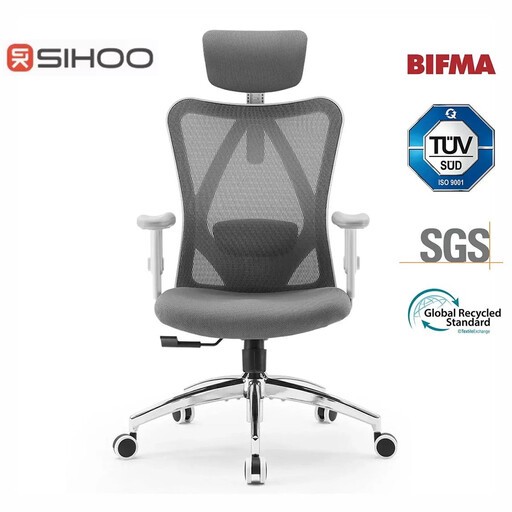
Why It Stands Out The Sihoo M18 is an excellent all-rounder that delivers on the core principles of ergonomic design. It offers five distinct adjustment points, including the headrest, backrest, seat height, armrests and tilt. This level of customisation allows you to create a personalised seating experience. The high back office chair design and breathable mesh backrest provide full-body support while ensuring good air circulation.
Pros
Who is it for? This chair is ideal for professionals and students who need a reliable and highly adjustable home office chair that covers all the essential ergonomic bases without being overly complex.
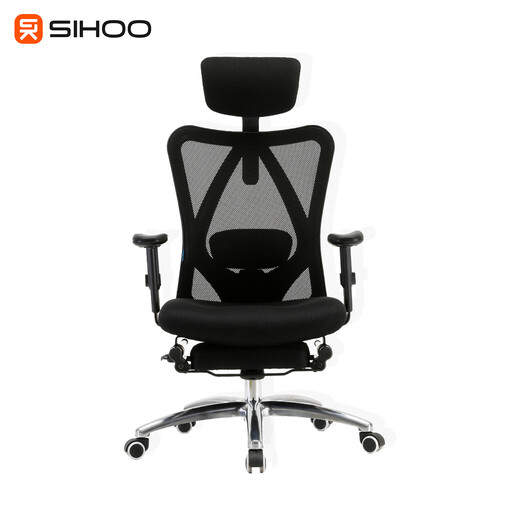
Why It Stands Out Building on the solid foundation of the M18, the M18JT model adds a significant feature: an adjustable, retractable footrest. This transforms the chair from a pure work tool into a space for relaxation. During breaks or while on long calls, the ability to recline with your feet up can greatly reduce fatigue. It retains the same five core ergonomic adjustments and breathable mesh back, making it a versatile choice.
Pros
Who is it for? This model is perfectly suited for remote workers or anyone spending extended hours at their desk who would benefit from the ability to comfortably recline and de-stress during the day.
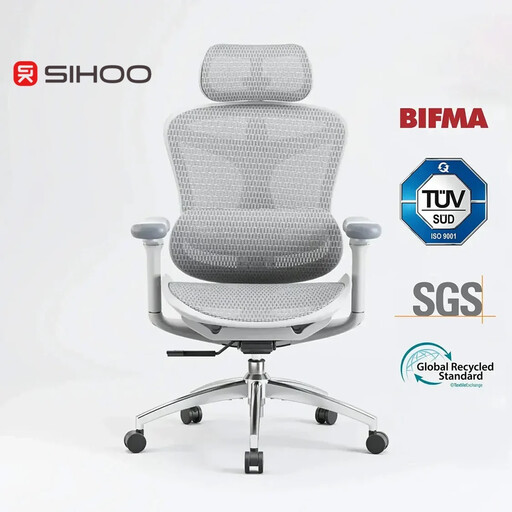
Why It Stands Out The SIHOO Doro C300 represents a more advanced approach to ergonomic seating. Its standout feature is the dynamic, self-adaptive lumbar support, which automatically adjusts to your posture as you move, providing continuous support to your lower back. It also includes ultra-soft 3D armrests that adjust in three directions and an intelligent weight-sensitive mechanism that balances the recline tension based on your body weight.
Pros
Who is it for? This chair is designed for users who want cutting-edge ergonomic technology. If you value a chair that actively adapts to your movements for uninterrupted support, the Doro C300 is a compelling option.
An ergonomic chair is a vital component of a healthy workspace, but it works best as part of a complete system. The height of your desk is just as important for maintaining good posture. If you are looking to create the ideal setup, consider exploring our range of height adjustable office desks to find a perfect match for your new chair.
1. How long should an ergonomic office chair last? The lifespan of an office chair depends on its build quality, materials and frequency of use. A well-made chair with certifications like BIFMA, constructed from durable materials like a metal frame and high-quality mesh, can reasonably be expected to last between 5 and 10 years with proper care.
2. Is a high back office chair better? A high back office chair is generally beneficial for those who spend many hours seated, as it provides support for the entire spine, including the upper back, shoulders and neck (often via an integrated or adjustable headrest). This is particularly useful if you tend to recline. For shorter periods of task-based work, a mid-back chair can be sufficient.
3. What is the most important feature in a chair for back pain? For individuals concerned with back pain, the single most important feature is adjustable lumbar support. The ability to change the height and depth of the support ensures it fits the natural curve of your lower back, which helps reduce strain and encourages a healthy posture. A chair with dynamic or self-adjusting support can provide even greater benefit.