
24/7 Customer Support

Free returns

Same-day & Next-day Delivery

Quality Guaranteed

Unlock Your Welcome Offers: FREE Delivery | Up to 80% OFF | Free 30-day JoyPlus trial
Download the APP
Spending hours at a desk is a reality for many of us, whether in a corporate building or a makeshift home office. While we focus on the tasks at hand, the toll that prolonged sitting takes on our bodies, particularly our backs, often goes unnoticed until discomfort sets in. A standard chair simply isn't designed for extended use, leading to poor posture, muscle strain and reduced productivity.
An ergonomic office chair is not a luxury; it's a foundational tool for a healthy and efficient workspace. This guide is designed to cut through the clutter, offering practical advice to help you select a supportive office chair that fits your body and your work style. We will explore key features to look for and present some of our top recommendations for 2026.
Choosing the right chair can feel overwhelming with so many options available. Focussing on a few core principles will simplify your search and ensure you find a chair that provides genuine support.
A truly ergonomic chair adapts to you, not the other way around. Look for multiple points of adjustment to create a personalised fit. Key features to seek out include:
An adjustable office chair that meets these criteria provides a strong foundation for a comfortable workday.
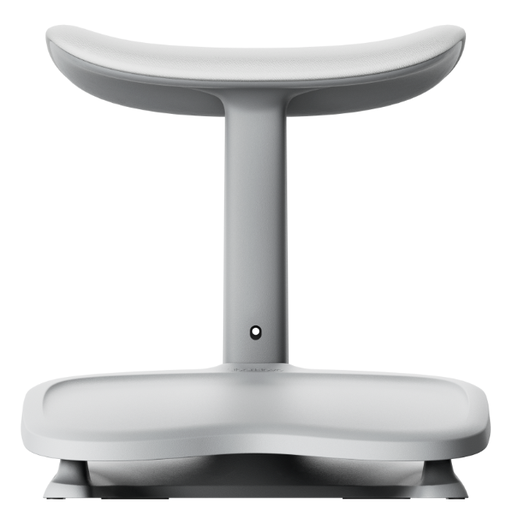
Proper posture starts from the ground up. If your feet don't rest flat on the floor even when your chair is at the correct height for your desk, your entire posture can be compromised. This is where an under desk footrest becomes an essential accessory.
An ergonomic footrest helps maintain the correct angle at your knees and hips, promoting better circulation and reducing pressure on your lower back. It ensures that users of any height can achieve an optimal seating position, making it a small investment with a significant impact on overall comfort.
The materials of a chair affect both comfort and longevity. Mesh backrests are popular for their breathability, which helps with temperature regulation during long sessions. Fabric and leather offer different aesthetics and feels, but ensure the padding is made from high-density foam that won't flatten quickly. The chair's base should be sturdy, typically made of steel or heavy-duty nylon, with smooth-rolling castors suitable for your flooring type.
Based on our analysis of features that promote comfort and support, here are our recommendations for creating a more ergonomic workspace.
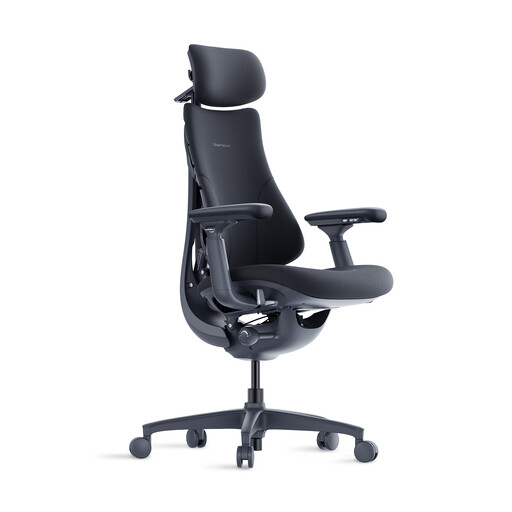
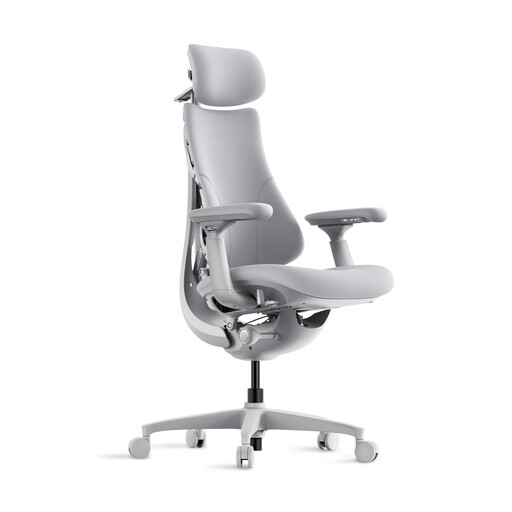
If your primary goal is to add a layer of comfort or therapeutic relief to an existing chair, other options may be worth exploring. For those interested in features like heat and vibration, consider browsing our selection of massaging seat cushions, which can be a great way to enhance relaxation during your workday.
A truly ergonomic chair is defined by its adjustability. It should allow you to modify the seat height, seat depth, backrest angle and lumbar support to fit your specific body shape and size. Look for chairs that comply with recognised standards, such as BS EN 1335 in the UK and Europe, which specifies dimensions and safety requirements for office work chairs.
A well-designed computer chair for back pain can play a significant role in alleviating discomfort. By providing proper lumbar support and enabling you to maintain a neutral spine posture, it reduces the strain on your back, neck and shoulders. However, it is most effective when combined with other healthy habits, such as taking regular breaks to stand and stretch.
The lifespan of an ergonomic chair depends on its build quality, materials and frequency of use. A high-quality chair with a solid metal base, durable castors and high-density foam padding can be expected to provide reliable support for anywhere from 5 to 10 years. Checking the warranty period can also give you an indication of the manufacturer's confidence in their product's longevity.