
24/7 Customer Support

Free returns

Same-day & Next-day Delivery

Quality Guaranteed

Unlock Your Welcome Offers: FREE Delivery | Up to 80% OFF | Free 30-day JoyPlus trial
Download the APP
Spending hours at a desk is a modern reality for many of us, whether in a corporate building or a home office. The resulting neck strain, lower back ache and general discomfort can hinder productivity and impact well-being. An ergonomic office chair is not a luxury; it is a fundamental tool for anyone sitting for extended periods.
This guide is designed to help you navigate the options and understand what truly matters in a computer desk chair. As the Joybuy Product Recommendation Officer, my role is to provide clear, practical advice to help you find a chair that supports your body, without you having to decipher complex marketing claims.
Before looking at specific models, it is useful to understand the key features that contribute to genuine ergonomic support. Keep these points in mind during your search.
A chair is only ergonomic if it fits your body. One-size-fits-all solutions rarely work. Look for an adjustable ergonomic chair with multiple points of customisation. Key adjustments include:
high back office chair provides full spinal support, while an adjustable headrest helps to reduce neck strain.When investing in a chair for long-term use, durability is paramount. Look for products that have been tested against recognised industry standards. Certifications from BIFMA (Business and Institutional Furniture Manufacturers Association) and SGS are strong indicators of quality. These tests assess factors like stability, strength and the durability of mechanisms over thousands of cycles, ensuring your chair is built to last.
The material of your chair affects both comfort and maintenance. A mesh chair with lumbar support is a popular choice in the UK for its excellent breathability, which helps regulate temperature during long work sessions. The mesh should be high-tension and supportive. The seat cushion is equally important; look for high-density foam and a waterfall edge design, which reduces pressure on the back of your thighs and promotes healthy circulation. This is particularly important if you are seeking a chair for back pain relief.
Based on features, adjustability and certified quality, here are some standout options to consider for your workspace.
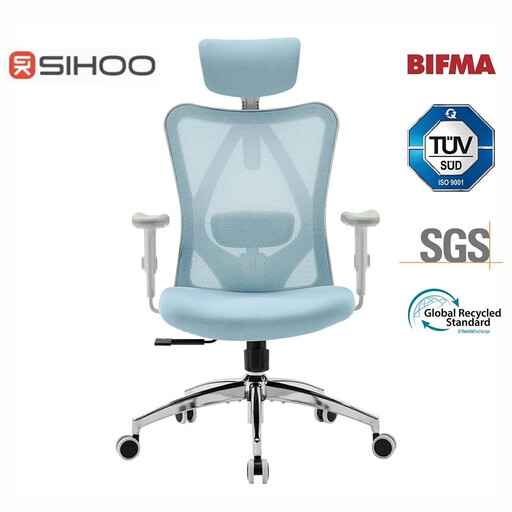
Why It Stands Out: The Sihoo M18 is an excellent all-rounder that balances comprehensive ergonomic features with robust, certified construction. Its W-shaped padded seat and multiple adjustment points make it a reliable choice for daily, prolonged use.
Pros:
Who is it for? Professionals and students seeking a dependable and highly adjustable home office chair that provides proven support without an excessive price tag.

Why It Stands Out: The Doro S100 elevates ergonomic support with its advanced dual dynamic lumbar system. This feature automatically adapts to your posture, providing continuous and responsive support to the lower back as you move.
Pros:
Who is it for? Users who prioritise cutting-edge lumbar support and micro-adjustments to achieve a perfectly tailored seating experience, especially those who shift posture frequently throughout the day.
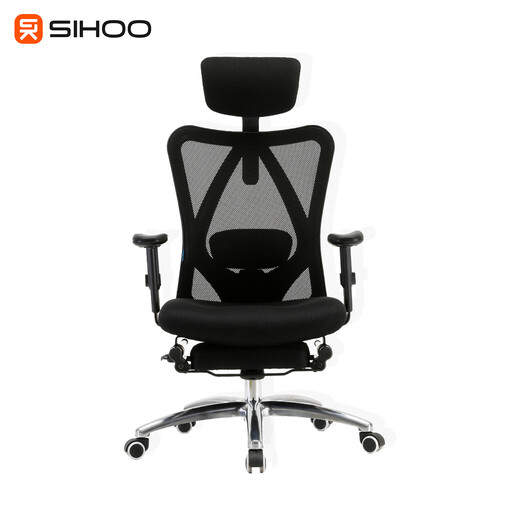
Why It Stands Out: This model takes the solid foundation of a Sihoo office chair and adds a feature focused on relaxation: an integrated, adjustable footrest. It transforms a functional work chair into a comfortable reclining seat for short breaks.
Pros:
reclining office chair ideal for rest and contemplation.Who is it for? Individuals who work long hours and value the ability to fully recline and elevate their feet during breaks to decompress and reduce pressure on their lower body.
While mesh chairs offer excellent breathability, some users prefer the classic look and feel of leather. If you are interested in exploring different upholstery options that still provide ergonomic benefits, you may find what you are looking for in our broader collection.
? Discover our range of ergonomic leather office chairs.
A truly ergonomic chair is defined by its adjustability. It should adapt to your unique body shape and size to promote a healthy posture. Key features include adjustable seat height and depth, customisable lumbar support that fits the curve of your spine, adjustable armrests to relax your shoulders and a supportive backrest and headrest. The goal is to minimise strain and distribute pressure evenly.
The lifespan of an ergonomic chair depends on its build quality, materials and frequency of use. A high-quality chair, particularly one with BIFMA and SGS certifications, is designed and tested for longevity and can reasonably be expected to last between 5 to 10 years with proper care. These certifications ensure that components like the gas lift, base and casters can withstand years of daily use.
For many, yes. A reclining office chair with a footrest offers significant benefits beyond standard seating. It allows you to change your posture dramatically during breaks, which can help decompress the spine, reduce pressure on your lower back and legs and improve circulation. If you spend more than 6-8 hours a day at your desk, having the option to fully recline can be a valuable tool for managing fatigue and discomfort.