
24/7 Customer Support

Free returns

Same-day & Next-day Delivery

Quality Guaranteed

Unlock Your Welcome Offers: FREE Delivery | Up to 80% OFF | Free 30-day JoyPlus trial
Download the APP
As a Joybuy Product Recommendation Officer, my role is to help you navigate the crowded market of home office furniture. With more of us working from home than ever before, choosing the right ergonomic office chair has shifted from a luxury to a necessity. Yet, the market is filled with options that promise comfort but often fail to deliver, leading to buyer's remorse and a sore back.
Before you invest in a new chair, it's crucial to understand the common pitfalls. Many shoppers are swayed by marketing buzzwords and sleek designs, only to discover critical flaws after a few weeks of use. Here are the main traps to avoid:
To make a smart purchase, focus on objective, functional features rather than just aesthetics. A proper computer chair for long hours is defined by its adaptability and the quality of its components. Here are the core parameters to check.
True ergonomics lies in customisation. Look for a chair that allows you to independently adjust these three key areas:
This is arguably the most critical feature for preventing back pain. A simple static cushion is a gamble, but a desk chair with lumbar support that is adjustable is a much safer bet. Look for chairs where you can change the height and sometimes the depth of the support to fit the curve of your lower back.
Even better is dynamic or adaptive lumbar support. This is a system designed to flex and move with your body, providing continuous support whether you are sitting upright, leaning forward or reclining. It actively helps maintain a healthy posture throughout the day.
While material choice can be personal, for those spending long hours at a desk, a mesh office chair offers a distinct advantage in breathability. The open weave allows for constant air circulation, keeping you cool and comfortable. Modern, high-quality mesh is also surprisingly strong and supportive, contouring to your body without creating pressure points. When assessing build quality, look for certifications like BIFMA or SGS, which indicate that the chair has passed standardised tests for safety, durability and structural integrity.
Based on these practical criteria, we've matched a few standout options from our collection to different user needs. These selections prioritise adjustability, proper support and long-term value.
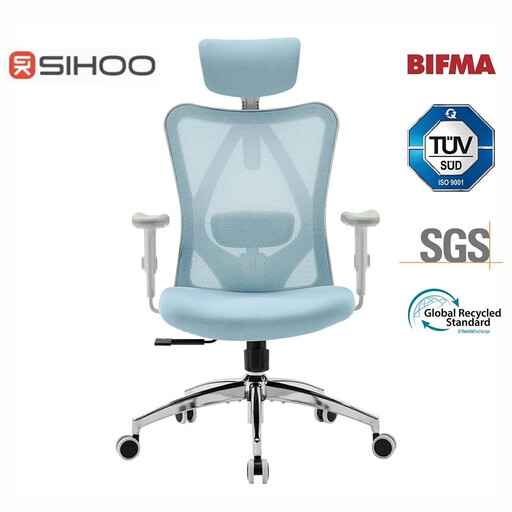
Why This Fits Their Persona: Ideal for those setting up their first proper home office chair on a budget. It provides the essential ergonomic adjustments without the premium price tag, making it a significant upgrade from a standard dining chair.
It counters the "ergonomic illusion" by offering genuine, independent adjustments for the headrest, lumbar support and armrest height, allowing for a personalised fit.
Features a breathable mesh back and a W-shaped padded seat to promote airflow and reduce leg pressure. It holds BIFMA and SGS certifications, ensuring reliable build quality.
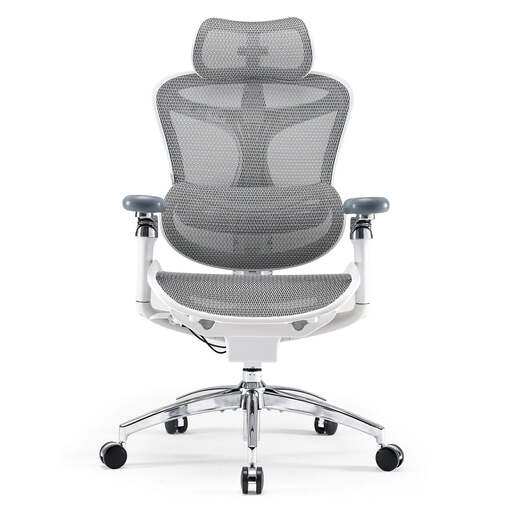
Why This Fits Their Persona: Designed for remote workers or gamers who spend over 8 hours a day at their desk. This chair prioritises advanced, dynamic support to minimise fatigue and maintain focus over extended periods.
It directly solves the "fixed lumbar" problem with a self-adaptive dynamic lumbar support system that moves with your body, providing constant, tailored support to the lower back.
Features highly versatile 6D coordinated armrests and seat depth adjustment. The full-body high-elasticity mesh construction ensures maximum breathability.
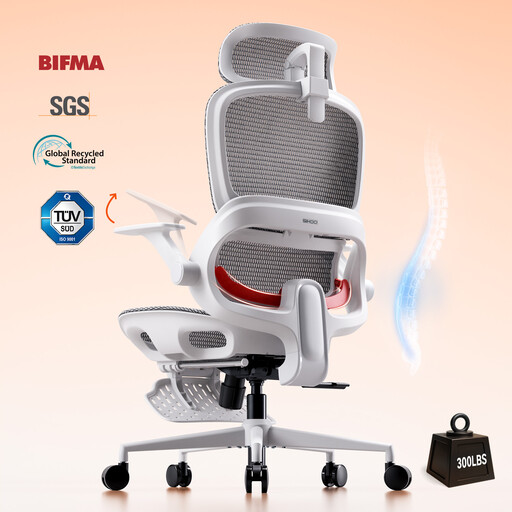
Why This Fits Their Persona: Perfect for users who value the ability to recline and relax during breaks. This ergonomic chair with footrest combines solid postural support for work with features designed for downtime.
Unlike gimmicky chairs, the footrest is integrated into a design that still features core ergonomic principles, including adaptive lumbar support and a wide, adjustable headrest.
The retractable footrest and deep recline offer a comfortable position for breaks or watching media. It also includes flip-up armrests, allowing the chair to slide neatly under a desk to save space.
We have compiled a complete, real-time list of products that fully satisfy these strict selection criteria and UK safety regulations.
The lifespan of an office chair depends on its build quality, materials and usage. A quality chair, particularly one with BIFMA certification, is tested for durability and should last for several years. Look for models that offer a multi-year warranty (e.g., 3 years or more) on parts, as this is a good indicator of the manufacturer's confidence in their product. Regular maintenance, like tightening screws, can also extend its life.
For prolonged use, a mesh office chair is generally a more practical choice. The primary reason is breathability. Mesh allows air to circulate freely, which helps regulate body temperature and prevent the discomfort of sweating that is common with PU or bonded leather chairs. While high-end genuine leather can be breathable, it comes at a much higher price point and requires more maintenance.
Proper setup is key to getting the full benefit of your chair. Start by adjusting the seat height so your feet are flat on the floor and your thighs are parallel to it. Next, adjust the lumbar support to fit the natural curve of your lower back. Finally, set the armrest height so your shoulders are relaxed and your forearms are gently supported when typing. Take a few minutes to fine-tune these settings until you feel supported and comfortable.