
24/7 Customer Support

Free returns

Same-day & Next-day Delivery

Quality Guaranteed

Unlock Your Welcome Offers: FREE Delivery | Up to 80% OFF | Free 30-day JoyPlus trial
Download the APP
That familiar ache in your lower back after a long day at the desk is a common complaint for many of us working from home. An unsupportive chair can contribute to poor posture, reduced focus and persistent discomfort. With so many options on the market, choosing the right one can feel overwhelming.
As the Joybuy Product Recommendation Officer, my role is to help you navigate these choices. This guide cuts through the marketing clutter to provide practical advice, helping you find a durable and supportive ergonomic office chair that fits your needs and workspace.
Before looking at specific models, it's helpful to understand the key features that make a chair truly ergonomic. Focusing on these three areas will ensure you make a sound investment in your comfort and productivity.
A one-size-fits-all approach rarely works for seating. A truly adjustable desk chair allows you to tailor it to your body's unique dimensions. Look for chairs that offer:
A computer chair with lumbar support is essential for preventing and alleviating back pain. The lumbar region (your lower back) has a natural inward curve. A good chair should have a curved backrest or an adjustable lumbar pillow that fits into this curve, providing firm support and encouraging a healthy posture. Without this, people tend to slouch, placing strain on the lower spine. This is arguably the most critical feature for anyone seeking an office chair for back pain.
The right back height depends on your needs. A high back office chair provides support for your entire back, neck and head, which is ideal for those who spend very long hours seated or enjoy reclining.
Material choice also impacts comfort:
Based on features that promote comfort and support during long work sessions, here are some standout options to consider.
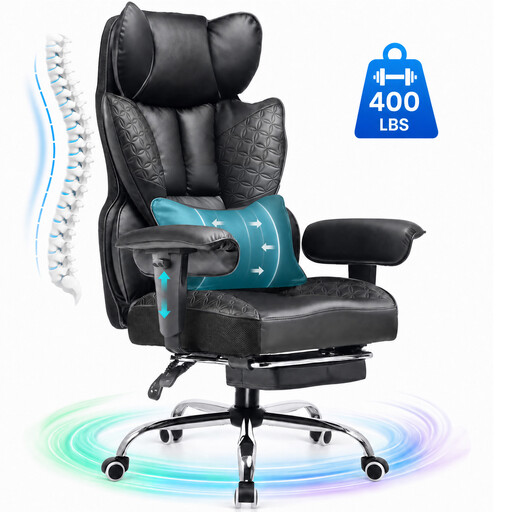
Why It Stands Out: While designed for gaming, its features translate perfectly to a demanding home office environment. The high back, integrated padding and extensive recline function offer a level of comfort that goes beyond a standard office chair. The inclusion of a retractable footrest is a notable feature for taking pressure off your legs during breaks.
Pros:
Who is it for? Individuals who use their desk for both work and leisure, and who appreciate the ability to recline fully for breaks or relaxation. It's a versatile option for a multi-purpose home office chair.
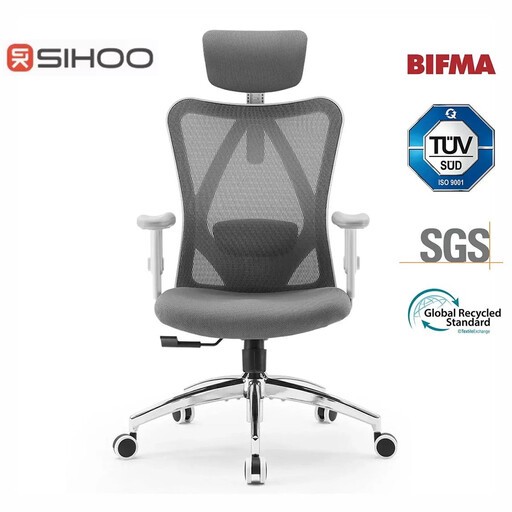
Why It Stands Out: The Sihoo M18 is a purpose-built ergonomic workhorse. It focuses on customisable support with five distinct adjustment points, including the headrest, backrest and armrests. Its breathable mesh back is a key feature for maintaining comfort over many hours.
Pros:
Who is it for? Professionals and students who prioritise precise ergonomic tuning and breathability. It is an excellent choice for a dedicated workspace where long-term comfort and posture support are the primary goals.
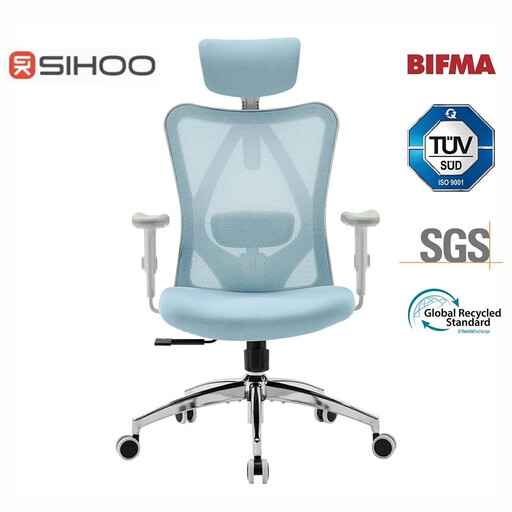
Why It Stands Out: This model offers all the same functional benefits as its grey counterpart but comes in a stylish Morandi Blue. It proves that you don't have to sacrifice aesthetics for ergonomic performance. It meets high durability standards, having been certified by both BIFMA and SGS.
Pros:
Who is it for? The style-conscious user who wants the proven ergonomic support of the Sihoo M18 platform but prefers a pop of colour to match their decor.
While our recommendations cover key needs from versatility to pure ergonomics, the ideal chair is a personal choice. If you're looking for a different style, material or feature set, there are many other models to consider.
? Explore our full range of office and gaming chairs here.
While all adjustments are important, dedicated lumbar support is arguably the most critical feature. It helps maintain the natural curve of your lower spine, which is essential for preventing the slouching that leads to back pain and poor posture during long periods of sitting.
The lifespan of a chair depends on its build quality, materials and frequency of use. A well-made chair should last for several years. Look for indicators of durability, such as a sturdy metal frame and certifications from bodies like BIFMA (Business and Institutional Furniture Manufacturer's Association), which test for safety and performance.
A properly configured ergonomic chair can play a significant role in alleviating and preventing the discomfort associated with prolonged sitting. By providing support for your spine, promoting good posture and reducing pressure points, it helps to minimise the physical strain of desk work. However, it is not a medical device, and persistent pain should be discussed with a healthcare professional.