
24/7 Customer Support

Free returns

Same-day & Next-day Delivery

Quality Guaranteed

Unlock Your Welcome Offers: FREE Delivery | Up to 80% OFF | Free 30-day JoyPlus trial
Download the APP
Waking up with a stiff neck or aching shoulders is a frustratingly common experience. While we often blame a long day at the desk or a strenuous workout, the culprit might be much closer to home: your pillow. An unsupportive pillow can force your neck into an unnatural position for hours, leading to discomfort and disrupted sleep.
Finding the right ergonomic pillow for neck pain isn't about chasing marketing trends; it's about understanding your own sleep habits and matching them with the right features. This guide is designed to help you navigate the options, from materials to adjustability, so you can make an informed choice for a more comfortable night's rest.
Before looking at specific products, it helps to know what features matter most. Consider these factors to narrow down your search for a pillow that truly supports you.
The way you sleep is the single most important factor in choosing a pillow. The goal is to keep your head, neck and spine in a neutral alignment.
Since sleep needs can change, an adjustable pillow UK models offer excellent versatility. These pillows typically contain multiple internal layers of foam or microfibre that you can add or remove. This allows you to customise the height and firmness to perfectly suit your body frame and sleeping style, taking the guesswork out of your purchase.
The material of a pillow determines its feel, support and breathability.
Based on the features that address common sleep concerns like neck pain and overheating, here are some standout options to consider.

Why It Stands Out: This pillow combines a plush, cloud-like feel with practical, modern features. Its key advantage is the integrated Outlast cooling layer, which actively helps regulate temperature. Paired with removable microfibre layers, it offers a customisable and refreshing sleep experience.
Pros:
Who is it for? This is an excellent choice for hot sleepers who prefer a softer, more traditional pillow feel but still want the benefits of adjustable height to suit any sleeping position.

Why It Stands Out: The Emma Hybrid pillow is designed for those who want the best of both worlds. It features a modular design with both supportive foam and soft microfibre layers. This allows you to not only adjust the height but also fine-tune the firmness, giving you a truly personalised level of comfort.
Pros:
Who is it for? Ideal for sleepers who are unsure whether they prefer foam or fibre, or for anyone who wants maximum control over their pillow's feel and support level.
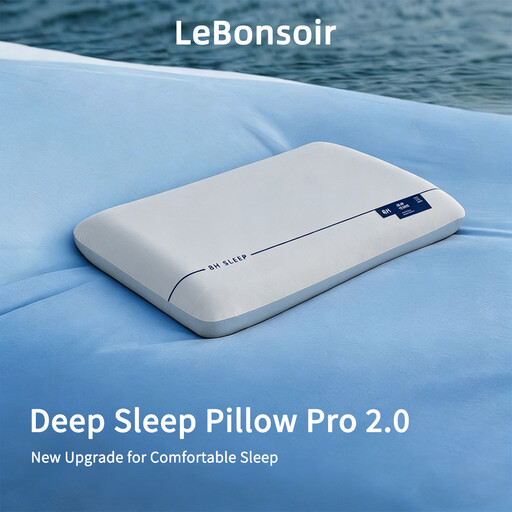
Why It Stands Out: This pillow focuses specifically on structured support for the neck and shoulders. Its 3-layer foam construction provides a unique combination of soft envelopment and firm stability. The ergonomic contour is designed to fit the natural curve of the neck, making it a strong candidate for those seeking a dedicated cervical support pillow.
Pros:
Who is it for? This pillow is particularly well-suited for back and side sleepers who experience persistent neck or shoulder pain and require a more structured, orthopaedic design to maintain spinal alignment.
The right pillow is a highly personal choice. If the options above don't seem like the perfect fit, or if you're looking for a different feel, there are many other styles available. For those who prioritise a plush, luxurious feel, you can explore our wider collection of super soft pillows to find your ideal match.
1. How do I know if my pillow is causing neck pain? A key sign is waking up with neck stiffness, tension headaches or pain that gradually subsides as you move around during the day. If your pillow is too high or too low, it forces your spine out of neutral alignment, causing strain on your neck muscles.
2. How long does it take to get used to a new ergonomic pillow? An adjustment period of a few days to two weeks is normal. Your body has become accustomed to your old sleeping posture, even if it was incorrect. A new, more supportive pillow will encourage proper alignment, which can feel different at first, especially with a memory foam pillow.
3. Can an adjustable pillow really work for all sleeping positions? Yes, that is their primary advantage. By adding or removing layers, you can create the ideal loft for your needs: a low profile for stomach sleeping, a medium height for back sleeping or a high, firm profile for side sleeping. This makes an adjustable pillow a versatile solution for many individuals.