
24/7 Customer Support

Free returns

Same-day & Next-day Delivery

Quality Guaranteed

Unlock Your Welcome Offers: FREE Delivery | Up to 80% OFF | Free 30-day JoyPlus trial
Download the APP
Waking up with a stiff, aching neck is a frustratingly common experience that can disrupt your day before it even begins. While many factors can contribute to this discomfort, the pillow you use every night plays a crucial role in your spinal alignment. An unsupportive pillow can force your neck into an unnatural position, leading to strain, pain and restless nights.
This guide is designed to help you navigate the world of specialised pillows. We will explore key features to look for and provide some recommendations to help you find an ergonomic pillow for neck pain that suits your specific needs and sleeping habits.
Finding the right pillow is a personal journey, but a few key considerations can make the process much simpler. Here are some practical points to keep in mind.
The filling of your pillow determines its feel, support and longevity. A memory foam pillow is a popular choice as it contours to the unique shape of your head and neck, providing tailored support that helps maintain spinal alignment. Some memory foam is infused with gel or designed with air channels to create a cooling pillow effect, which is ideal for those who tend to overheat at night. Alternatively, pillows filled with down-alternative hollow fibre offer a plusher, more traditional feel while still providing good support and often being hypoallergenic.
The shape of your pillow is just as important as its material. A contoured pillow for neck and shoulder pain often features a curved design with a depression in the centre. This shape is engineered to cradle the head and support the natural curve of the neck, making it an excellent choice for back and side sleeper pillow users. Stomach sleepers, on the other hand, may require a flatter, softer pillow to avoid arching their neck upwards.
The ultimate goal of an orthopaedic pillow is to promote a neutral spine. This means your head should not be tilted too far up, down or to the side. When lying on your back, your pillow should support the natural curve of your neck. When on your side, it should be firm and high enough to fill the space between your ear and the mattress, keeping your spine straight. A good cervical support pillow will prevent your head from sinking too low or being propped up too high.
Here are a few pillows that stand out for their design, materials and features aimed at providing a more comfortable night's sleep.
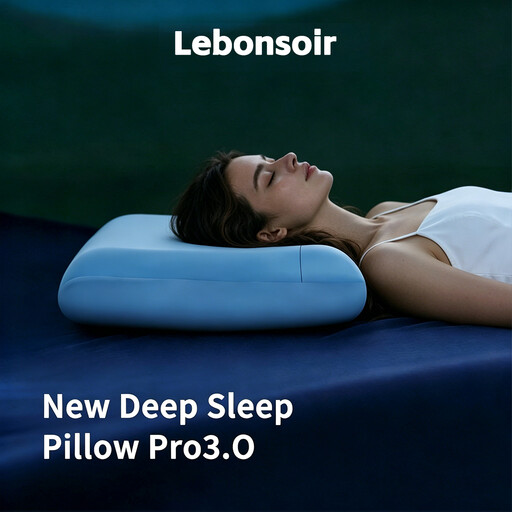
Why It Stands Out: This pillow features a sophisticated 3-layer foam construction. The top layer is a slow-rebound foam that gently cradles the head, the middle layer provides support to prevent excessive sinking and the firm base layer ensures stability. This tiered approach delivers a balance of softness and robust support.
Pros:
Who is it for? Individuals seeking a structured cervical support pillow that offers targeted relief for neck and shoulder tension. It's a strong candidate for office workers or anyone who prefers a firmer, contoured feel.

Why It Stands Out: For those who prefer the plushness of a traditional hotel pillow, this 2-pack offers a modern update. The pillows are filled with a down-alternative hollow fibre that maintains its loft and medium firmness. The 100% cotton cover is naturally breathable, making it a great option for hot sleepers.
Pros:
Who is it for? Sleepers who enjoy a softer, plusher feel without sacrificing support. It’s a versatile choice for back, side and stomach sleepers and an excellent value option for those needing a pillow for shoulder pain relief with a classic shape.
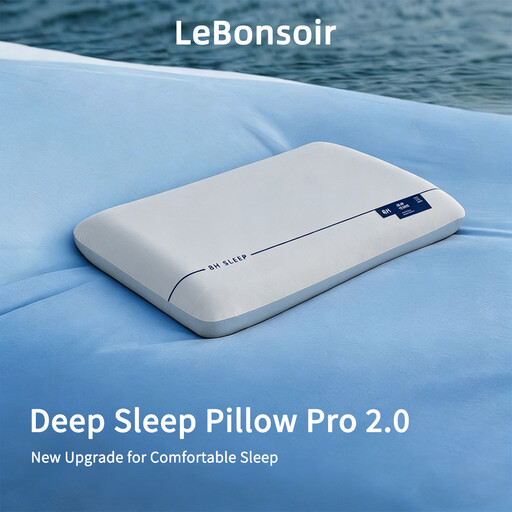
Why It Stands Out: This pillow shares the core ergonomic principles of its 3.0 counterpart, focusing on providing structured support for the head, neck and shoulders. Its contoured design and memory foam construction are aimed at promoting proper spinal alignment and reducing sleep-related discomfort.
Pros:
Who is it for? Anyone looking for a reliable contoured pillow for neck and shoulder pain. It offers a proven design for those who need consistent support to help relax neck and shoulder muscles throughout the night.
Your sleep comfort is highly personal. If these recommendations aren't quite what you're looking for or if you have specific needs such as a pillow for use while lying face down, you may find other suitable designs.
Explore our wider collection of face pillows and specialised sleep aids to find your perfect match.
1. How do I know if my pillow is causing neck pain? Common signs include waking up with stiffness or pain in your neck, shoulders or upper back. Headaches that originate at the base of the skull can also be a symptom. If you frequently toss and turn or find yourself bunching up your pillow to get comfortable, it may not be providing the right support.
2. What is the difference between an orthopaedic pillow and a regular pillow? A regular pillow is primarily designed for comfort, whereas an orthopaedic pillow is specifically engineered to provide ergonomic support. These pillows often feature contoured shapes and are made from materials like memory foam to hold your head, neck and spine in a neutral alignment, which can help alleviate and prevent pain.
3. How long does it take to get used to an ergonomic pillow? Switching to a new, more supportive pillow can feel different at first. It may take anywhere from a few nights to two weeks for your body to adjust to the new sleeping posture. It is advisable to give yourself this adjustment period to determine if the pillow is right for you.