
24/7 Customer Support

Free returns

Same-day & Next-day Delivery

Quality Guaranteed

Unlock Your Welcome Offers: FREE Delivery | Up to 80% OFF | Free 30-day JoyPlus trial
Download the APP
Waking up with a stiff, aching neck is a frustrating start to any day. That persistent discomfort can affect your mood, focus and overall well-being. Often, the culprit is a pillow that fails to provide the right support, forcing your neck and spine out of alignment throughout the night.
Finding the right pillow can feel overwhelming with so many options available. This guide is designed to cut through the clutter. As a Joybuy Product Recommendation Officer, my role is to provide clear, practical advice to help you understand what makes a good support pillow and to highlight a few options that stand out for their design and materials.
Before looking at specific products, it's helpful to understand the key features that contribute to a better night's sleep. Considering these factors will help you select a pain relief sleep pillow that suits your body and sleeping habits.
The way you sleep is the most important factor in determining the right pillow shape and height.
The filling of a pillow dictates its feel, support level and maintenance requirements.
Modern ergonomic pillows often include design elements aimed at improving comfort and alignment. A well-designed cervical pillow for neck and shoulder pain might feature a central depression to cradle the head, raised sides for side sleeping and a gentle slope to support the upper back and shoulders. These contours are not just for show; they are engineered to guide your body into a more natural resting posture.
Based on their features, materials and user suitability, here are a few noteworthy options to consider.
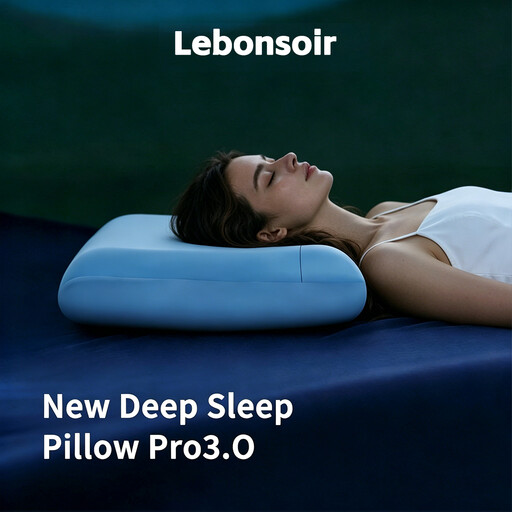
Why It Stands Out: This pillow’s most notable feature is its 3-layer foam construction. The top layer is a slow-rebound memory foam that gently envelops the head and neck. Beneath it, a support foam layer prevents you from sinking too deeply, while a firm base layer provides stability. This tiered approach delivers a unique balance of soft comfort and robust support. The upgraded cover is also designed for breathability and temperature regulation.
Pros:
Who is it for: Individuals looking for a highly structured cervical pillow for neck and shoulder pain. It's particularly suited for those who feel standard pillows lack the specific contouring needed for targeted relief.
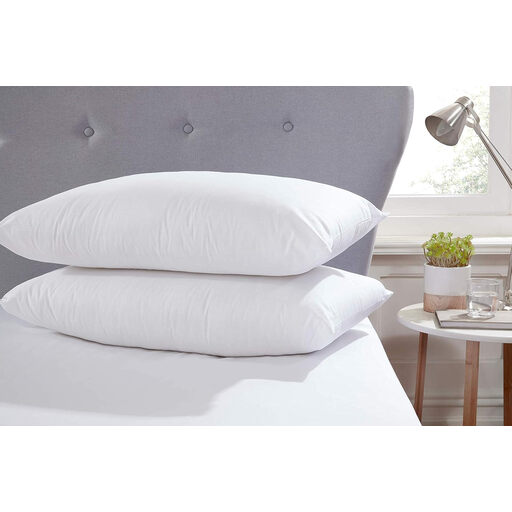
Why It Stands Out: For those who prefer the feel of a traditional pillow, this NightComfort option offers a compelling middle ground. It combines a hotel-quality microfibre cover with a hypoallergenic hollowfibre filling, providing medium support that helps maintain spinal alignment without the dense feel of memory foam. Its straightforward design is complemented by practical, easy-care properties.
Pros:
Who is it for: Anyone who wants the benefits of improved support but prefers a classic pillow shape. It’s an excellent, no-fuss choice for back and side sleepers seeking a balance of softness and structure.
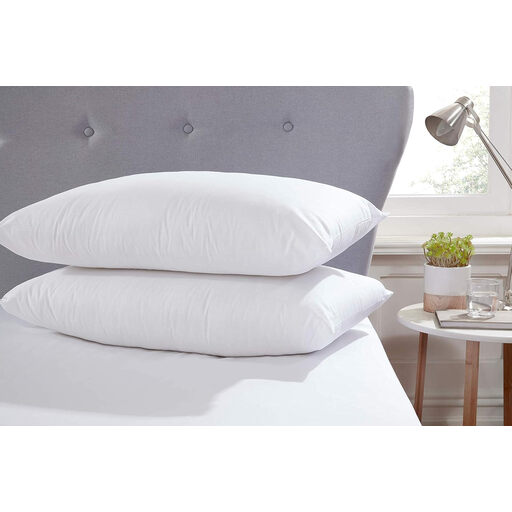
Why It Stands Out: This pillow is engineered specifically for those who need minimal elevation. Its soft support and lower profile are designed to prevent the neck from bending at an awkward angle, a common issue for stomach sleepers. The hollowfibre filling is engineered to replicate the light, airy feel of down, while the microfibre cover adds a touch of velvety softness.
Pros:
Who is it for: Primarily stomach sleepers who require a thinner pillow to maintain healthy neck posture. It can also be a good option for back sleepers who find most pillows too high or firm.
A supportive pillow is fundamental to restful nights at home, but maintaining comfort while travelling is equally important for your well-being. If you are planning a trip, ensuring you have the right support on the go can make all the difference.
Explore our curated collection of holiday travel accessories, including travel pillows and other comfort essentials, to help you stay comfortable wherever your journey takes you.
How long does it take to get used to an ergonomic pillow? It can take anywhere from a few nights to a couple of weeks for your body to adjust to the new support and alignment. It may be helpful to use the new pillow for part of the night at first, gradually increasing the duration as your neck and shoulder muscles adapt.
Can an ergonomic pillow make neck pain worse at first? Some people may notice temporary discomfort as their body adjusts to a more correct sleeping posture. This is often a sign that the pillow is working to realign your spine. However, if the pain persists or worsens after two weeks, the pillow may not be the right height or firmness for your specific needs.
How often should you replace an ergonomic pillow? The lifespan of a pillow depends on its materials. Memory foam pillows generally last between 18 and 36 months, while fibre-filled pillows may need replacing sooner. A good indicator that it's time for a new pillow is when it no longer springs back to its original shape, feels lumpy or fails to provide the support it once did.