
24/7 Customer Support

Free returns

Same-day & Next-day Delivery

Quality Guaranteed

Unlock Your Welcome Offers: FREE Delivery | Up to 80% OFF | Free 30-day JoyPlus trial
Download the APP
Waking up with a stiff, aching neck is a frustratingly common experience. It can set a negative tone for the entire day, impacting everything from your mood to your productivity. While many factors can contribute to neck pain, one of the most frequent culprits is the very thing meant to provide comfort: your pillow. An unsupportive pillow can force your neck into an unnatural position for hours, leading to strain and discomfort.
Choosing the right pillow isn't about finding the softest or most expensive option. It's about finding one that provides proper support for your unique body and sleeping style. This guide is designed to help you understand what to look for in an ergonomic pillow for neck pain and to highlight some carefully selected options that prioritise support and alignment.
Navigating the world of pillows can feel overwhelming. To simplify your search, focus on a few key features that directly impact comfort and support.
The filling of a pillow determines its feel, support level and longevity. Memory foam is a popular choice for ergonomic pillows because it moulds to the shape of your head and neck, providing personalised contouring. It comes in two main forms:
Many modern pillows also feature hypoallergenic materials and breathable covers to help regulate temperature and keep allergens at bay, contributing to a more restful deep sleep.
Your preferred sleeping position is the most important factor in selecting a pillow shape.
An orthopaedic pillow for neck pain is not necessarily the firmest one you can find. The goal is alignment. The pillow should be firm enough to hold your head in a neutral position but soft enough to relieve pressure points. A pillow that is too high or too firm will bend your neck upwards, while one that is too soft will let it sag. The right balance provides support that feels both comfortable and corrective.
Based on features that promote alignment and comfort, here are our recommendations for 2026.
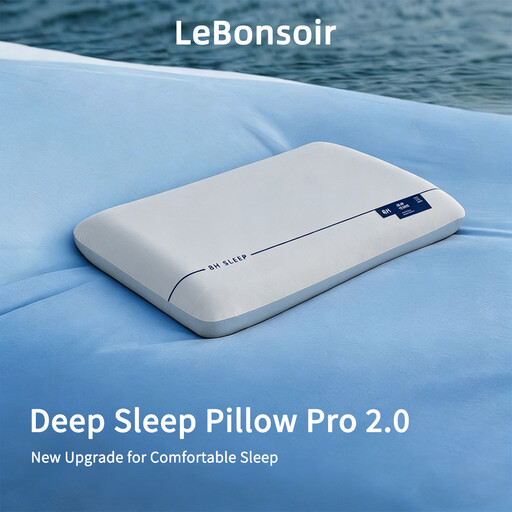
Why It Stands Out: This pillow features a sophisticated 3-layer foam construction designed for comprehensive support. The top layer of slow-rebound memory foam gently cradles the head, while the middle and base layers provide progressively firmer support to prevent sinking and ensure stability. Its ergonomic contour is engineered to fit the natural curve of the neck and shoulders, helping to align the spine and relieve tension.
Pros:
Who is it for? This is an excellent choice for individuals seeking a highly structured contoured neck pillow that provides zoned support for precise spinal alignment.

Why It Stands Out: For those who find solid memory foam too rigid, this pillow offers a compelling alternative. Filled with shredded memory foam, it combines the pressure-relieving properties of foam with the mouldable feel of a traditional down pillow. You can adjust the filling to create the perfect loft for your sleeping style. It is also a hypoallergenic pillow, making it a great option for those with sensitivities.
Pros:
Who is it for? Ideal for sleepers who want the contouring support of a memory foam pillow but prefer a softer, more adaptable shape that works for back, side and stomach sleeping.
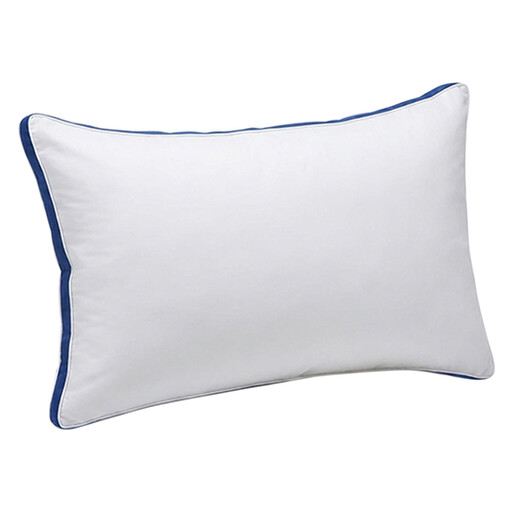
Why It Stands Out: This pillow aims to replicate the plush, inviting feel of a luxury hotel pillow while still providing the necessary support for a comfortable night's sleep. Its filling is engineered to be soft and plump yet resilient, preventing it from flattening out overnight. The durable corded edge helps maintain the pillow's shape and structure over time, and its hypoallergenic properties make it a practical choice for any bedroom.
Pros:
Who is it for? Perfect for anyone who loves the luxurious feel of a hotel pillow but doesn't want to sacrifice the support needed for proper neck alignment.
Finding the perfect pillow is a personal journey. If the recommendations above aren't quite what you're looking for, or if you'd like to explore a wider range of materials and styles, there are many other choices available.
? Explore our full collection of Pillows and Duvets to find your ideal match.
It can take anywhere from a few nights to a week for your body to adjust to a new supportive pillow, especially if your old one was unsupportive. This adjustment period is normal as your neck and spine learn to hold a new, healthier alignment during sleep.
Yes, for many people, an orthopaedic pillow for neck pain can make a significant difference. By promoting neutral spinal alignment and reducing pressure points, it can help alleviate the strain that contributes to morning stiffness and discomfort. However, it is a tool for support, not a medical treatment.