
24/7 Customer Support

Free returns

Same-day & Next-day Delivery

Quality Guaranteed

Unlock Your Welcome Offers: FREE Delivery | Up to 80% OFF | Free 30-day JoyPlus trial
Download the APP
Waking up with a stiff neck or shoulder pain can disrupt your entire day. While many factors contribute to sleep quality, the pillow you use plays a critical role in supporting your head and maintaining proper spinal alignment. An unsuitable pillow can lead to discomfort, while an ergonomic pillow designed for your needs can make a significant difference.
Navigating the market for an ergonomic pillow for neck pain can be confusing. With terms like cervical pillow, contour pillow and various materials to choose from, it is easy to feel overwhelmed. This guide is designed to simplify your search, offering practical advice and highlighting a few carefully selected options to help you find a pillow that suits your sleeping habits and preferences.
Before looking at specific products, understanding a few key factors will help you make a more informed decision.
The way you sleep is the most important consideration. Your pillow's job is to fill the gap between your head and the mattress, keeping your spine in a neutral position.
The filling of a pillow determines its feel, support and maintenance requirements.
Pillow firmness is a matter of personal preference, but it should always be linked to your sleeping style. A firm pillow offers more resistance and is often suitable for side or back sleepers who need robust support. A soft pillow provides more cushioning and is typically better for stomach sleepers. The goal is to find a balance that feels comfortable while providing the correct neck support pillow function for you.
Here are some pillows that stand out for their design, materials and suitability for different sleep needs.
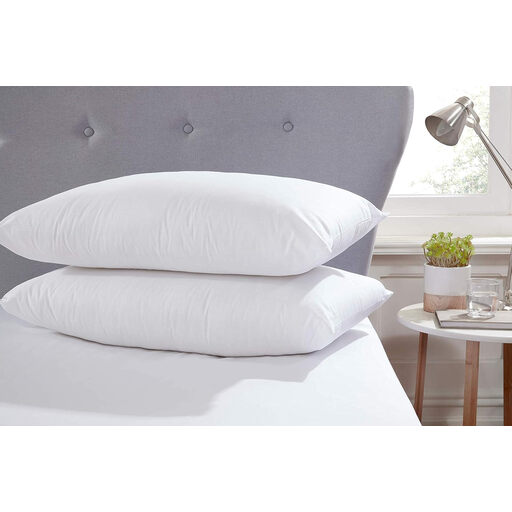
Why It Stands Out: This pillow combines a soft-touch microfibre cover with a firm support level. The hypoallergenic hollowfibre filling is engineered to deliver structured comfort that mimics the feel of down without the associated allergens or maintenance.
Pros:
Who is it for? This pillow is ideal for back sleepers who require consistent, firm support to maintain healthy head, neck and spinal alignment throughout the night.
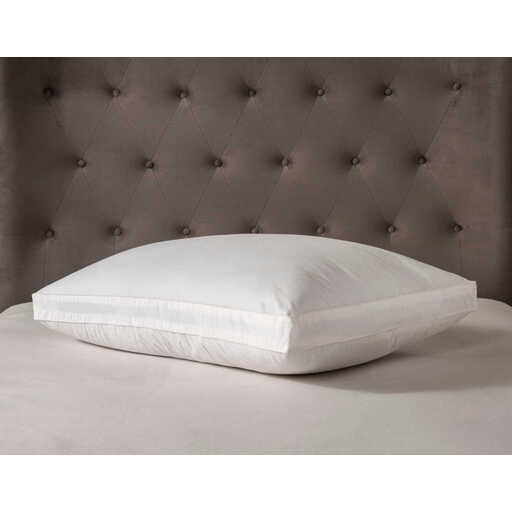
Why It Stands Out: The key feature here is the gusseted box border, which creates a more structured shape and consistent height from edge to edge. This construction, combined with a 100% cotton cover and medium support, makes it a strong candidate for those seeking a pillow for shoulder pain.
Pros:
Who is it for? This pillow is particularly well-suited to side sleepers who need the extra height and even support that a box-edge design provides to keep their neck and shoulders comfortable.
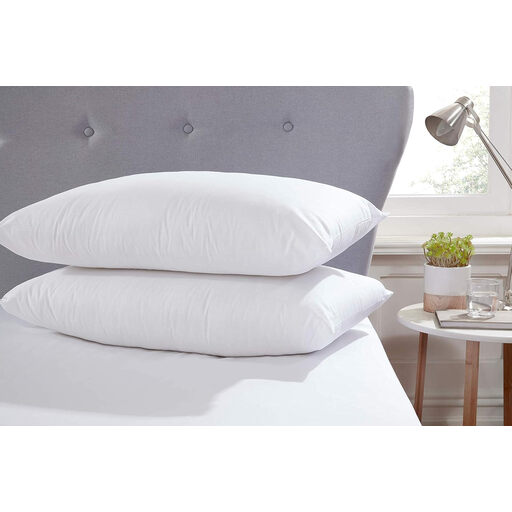
Why It Stands Out: Offering a truly soft and plush feel, this pillow is designed for those who prefer minimal elevation. The hollowfibre filling replicates the lightness of down, while the microfibre cover is smooth and durable. It provides gentle cushioning without excessive height.
Pros:
Who is it for? This is an excellent choice for stomach sleepers, who need a flatter pillow to avoid unnatural neck extension, or for anyone who simply prefers a very soft, cloud-like pillow.
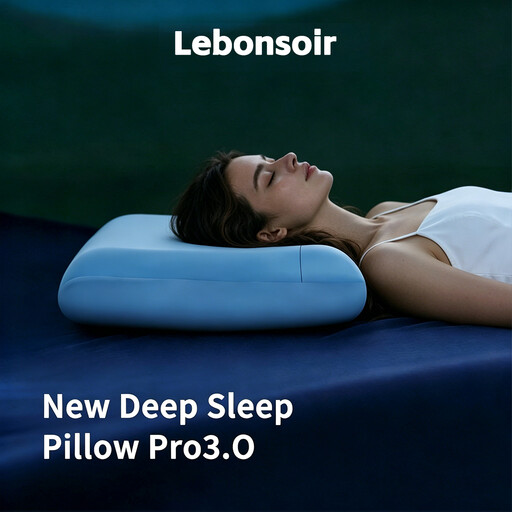
Why It Stands Out: This is a classic cervical pillow with a modern construction. Its 3-layer foam design includes a soft slow-rebound memory foam top layer, a supportive middle layer and a firm base. The ergonomic contour pillow shape is designed to fit the natural curve of the neck and shoulders.
Pros:
Who is it for? This pillow is for individuals actively seeking a solution for neck and shoulder discomfort. It is a good fit for office workers, students and anyone looking for the structured support of an orthopaedic pillow.
A supportive pillow is a cornerstone of a restful night, but creating a relaxing bedroom environment involves more than just what you sleep on. If you are looking to refresh your space with new textures and colours, you might find inspiration in our collection of decorative Orange and grey cushions.
1. How do I know if my pillow is causing neck pain? If you consistently wake up with neck stiffness, pain or headaches, your pillow could be the culprit. A pillow that is too high, too low, too firm or too soft for your sleeping position can force your neck into an unnatural angle, leading to strain on your muscles and spine.
2. How long does it take to get used to an ergonomic pillow? Adjusting to a new pillow, especially a contoured or memory foam pillow, can take anywhere from a few nights to a couple of weeks. Your body needs time to adapt to the new sleeping posture. It is normal to feel a little different at first as your muscles adjust to proper alignment.
3. What is the difference between a cervical pillow and a regular pillow? A regular pillow typically has a uniform shape and filling. A cervical pillow, on the other hand, is ergonomically designed with contours to support the natural curve of your cervical spine (your neck). It often has a deeper depression for the head and a raised edge to provide targeted neck support, promoting better alignment.