
24/7 全天候客户支持

免费退货

当日/次日达

品质保障

开启新人专享福利: 全场免邮 | 低至 2 折 | 免费试用 30 天 JoyPlus 会员
下载 Joybuy
Waking up with a stiff, aching neck is a frustrating start to any day. If you've tried countless pillows only to find your discomfort persists, you are not alone. The market is saturated with options, but finding a genuine solution for neck pain requires looking past the marketing hype and understanding what truly matters for spinal alignment.
As a Joybuy Product Recommendation Officer, my role is to help you navigate these choices. Many people invest in pillows that fail to deliver, often due to a few common but overlooked design flaws. Before you make another purchase, let's examine the pitfalls that could be costing you both money and a good night's sleep.
To find a lasting solution, focus on the technical specifications that directly impact support and comfort. These are the non-negotiable features to check when searching for an effective ergonomic pillow for neck pain.
The single most important feature for a neck support pillow is adjustability. Since no two bodies are the same, the ability to modify the pillow's height (loft) and feel is crucial.
Look for pillows with removable internal layers. This modular design allows you to add or remove sections to achieve a neutral spinal position.
An adjustable pillow ensures you can fine-tune the support for your primary sleeping position, making it a far more reliable choice than a fixed-height model.
The material dictates the pillow's feel, durability and temperature regulation.
A truly orthopaedic pillow is designed with the anatomy of the spine in mind. Look for a cervical pillow for neck pain that features a contoured, wave-like shape. This design typically includes:
This ergonomic shape helps maintain the natural C-shaped curve of the cervical spine, distributing weight evenly and relieving pressure points on the neck and shoulders.
Based on these critical criteria, we have matched several products to specific user needs. Instead of a one-size-fits-all approach, this selection focuses on finding the right tool for the right person.
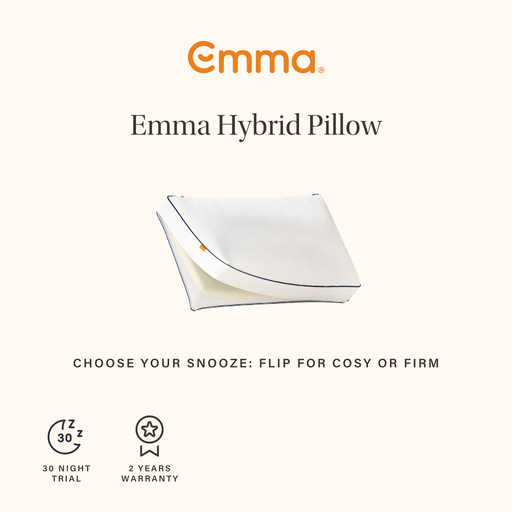
Why This Fits Their Persona: For those who shift between their back and side during the night, a fixed pillow is often a compromise. This hybrid model combines supportive foam with a soft microfibre layer, and both are adjustable, offering a balance that can be tailored to different positions.
It directly counters the "one-size-fits-all" pitfall. With removable foam and microfibre layers, you can customise the height and firmness, ensuring proper alignment whether you are on your side or back.
Hybrid customisation: Allows you to choose between a firmer foam side and a softer microfibre side. Breathable construction with a machine-washable cover for easy maintenance.
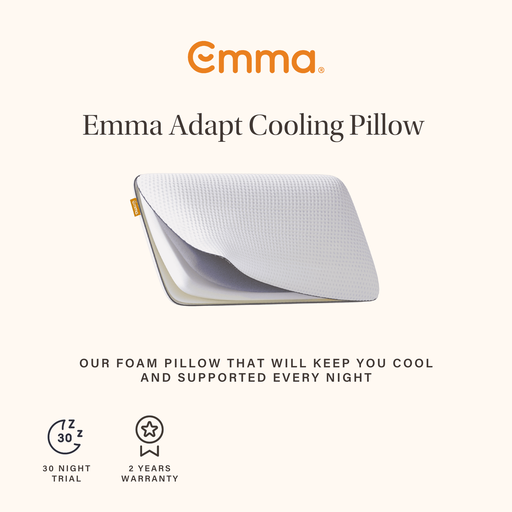
Why This Fits Their Persona: This user needs the pressure relief of memory foam without the associated heat retention. This pillow is designed with specific technologies to promote airflow and regulate temperature, making it ideal for anyone who tends to sleep warm.
It directly solves the "overheating trap" of traditional memory foam. The use of open-pored Airgocell foam and a breathable cover actively works to dissipate heat and moisture for a cooler sleep.
Three adjustable foam layers: Allows for complete customisation of height and firmness. Cooling technology: Specifically engineered for enhanced airflow and temperature regulation.
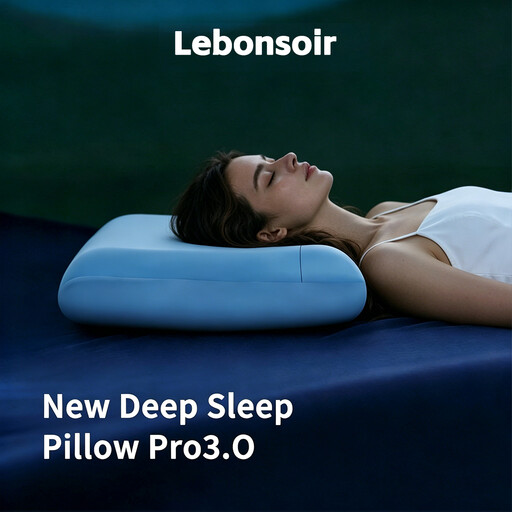
Why This Fits Their Persona: This user needs targeted, structured support rather than general softness. The pillow's specific ergonomic contour and multi-layer foam construction are engineered to fit the curve of the neck and align the spine, which is critical for side sleepers with neck or shoulder pain.
It avoids the "vanishing support" trap with its 3-layer foam system. A soft top layer provides comfort, a middle layer prevents sinking and a firm base ensures stable, long-lasting support for the neck.
Targeted cervical contour: Designed specifically to align the head, neck and shoulders. Multi-layer support structure: Delivers a balance of firm support and soft, pressure-relieving comfort.
We have compiled a complete, real-time list of products that fully satisfy these strict selection criteria and UK safety regulations.
The goal is to keep your head, neck and spine in a straight, neutral line. As a general guide, side sleepers need a higher pillow to fill the gap between their neck and shoulder, while back sleepers need a medium height. An adjustable pillow is the most reliable way to experiment and find the exact loft that works for your body. When lying down, your head should not tilt up or down.
A good quality memory foam or cervical pillow should last between 2 to 3 years. You will know it is time for a replacement when you notice it has permanent indentations, feels less supportive or the foam material begins to show signs of deterioration. Using a pillow protector and following the care instructions (e.g., only washing the cover, not the foam core) can help maximise its lifespan.
It is common to experience an adjustment period of a few days to a week when switching to a new ergonomic pillow. Your neck and shoulder muscles have become accustomed to your old sleeping posture, and it can take time for them to adapt to a new, healthier alignment. If you feel slight discomfort, try using the pillow for a few hours each night and gradually increase the duration.