
24/7 Customer Support

Free returns

Same-day & Next-day Delivery

Quality Guaranteed

Unlock Your Welcome Offers: FREE Delivery | Up to 80% OFF | Free 30-day JoyPlus trial
Download the APP
Waking up with a stiff neck or aching shoulders is a frustratingly common experience for many in the UK. While a good night's sleep is fundamental to our well-being, the wrong pillow can actively work against us, leading to discomfort and fatigue. The market is flooded with options, all promising a pain-free sleep, but navigating the claims can be difficult.
As a Joybuy Product Recommendation Officer, my role is to help you understand the key features that matter. Before you invest in a new pillow, it's crucial to be aware of a few common pitfalls that lead to disappointing purchases.
To make an informed choice, focus on these essential parameters. Understanding them will help you find a genuine pain relief sleep pillow that suits your needs.
The core material dictates the feel, support and longevity of the pillow.
The shape of the pillow is critical for maintaining spinal alignment.
How you sleep is the final piece of the puzzle.
Based on these practical criteria, here are a few options from our catalogue, matched to different user needs.
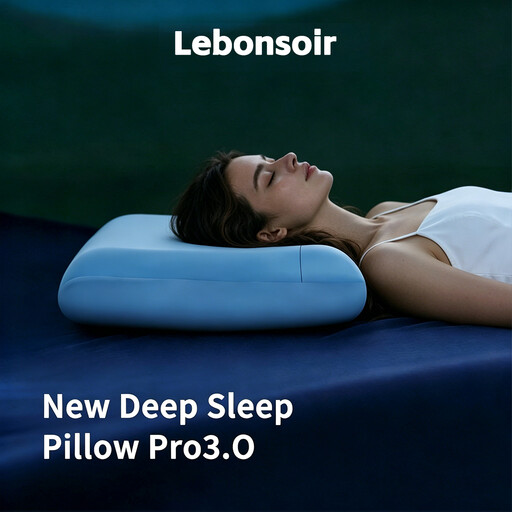
Why This Fits Their Persona: This pillow is designed for those who shift between their back and side during the night. Its ergonomic shape and zoned support areas accommodate different positions, making it a strong Atour pillow alternative for UK users seeking a versatile orthopaedic pillow.
The 3-layer foam construction provides a soft top layer for comfort and firm lower layers for support, avoiding the "too soft" pitfall. Its breathable cover helps dissipate heat, countering the heat trap issue.
Multi-layer foam provides balanced comfort and support. The ergonomic contour is suitable for multiple sleep positions.
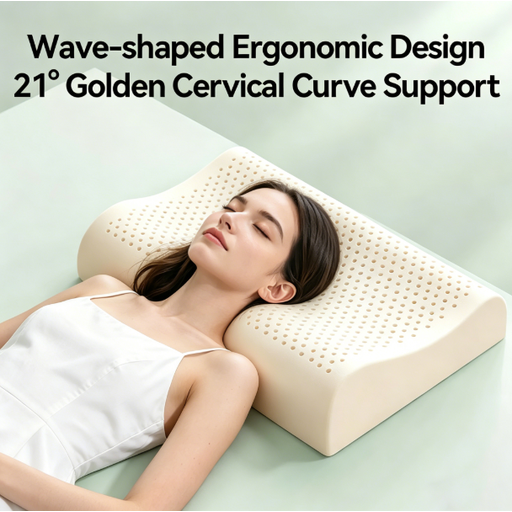
Why This Fits Their Persona: Ideal for the health-conscious individual or those who sleep warm. Made from 93% natural latex, it offers a responsive, supportive feel that is inherently more breathable than traditional memory foam.
The natural open-cell structure of latex provides excellent ventilation, directly addressing the heat trap pitfall. Its buoyant support prevents the head from sinking too low, maintaining proper alignment.
Made with 93% natural latex for breathability and durability. The ergonomic wave design provides targeted neck support pillow benefits.
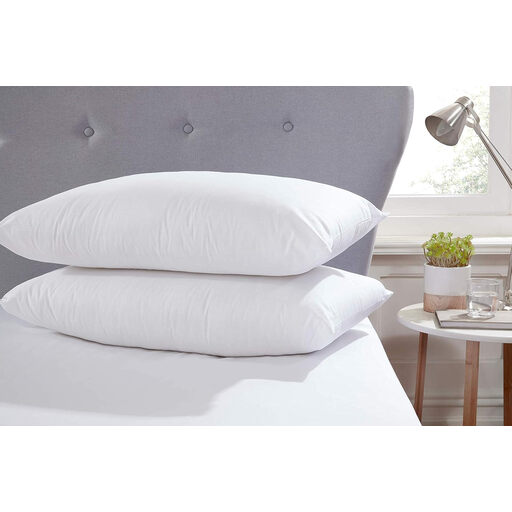
Why This Fits Their Persona: For those seeking an effective, no-frills orthopaedic pillow in the UK without a high price tag. This traditional-shaped pillow offers medium support, which is suitable for many back and side sleepers, and is easy to maintain.
This pillow avoids the "one-size-fits-all" trap by being clearly defined as medium support. This allows you to make a conscious choice based on your needs rather than a vague marketing claim.
Hypoallergenic hollowfibre filling and a microfibre cover. Fully machine washable at 40°C for excellent hygiene.
We have compiled a complete, real-time list of products that fully satisfy these strict selection criteria and UK safety regulations.
There is often an adjustment period of 3 to 7 days. Your neck and shoulder muscles may be used to an unsupportive position, and it can take time for them to adapt to proper alignment. We recommend using the new pillow for a few hours each night at first, gradually increasing the duration as you become more comfortable.
The lifespan depends on the material. A high-quality memory foam neck pillow or latex pillow typically lasts for 2 to 3 years. You should consider a replacement when you notice it has permanent indentations, feels less supportive or if the foam begins to show signs of deterioration. Hollowfibre pillows may need to be replaced more frequently, usually every 1 to 2 years, as the filling can flatten over time.
This is highly dependent on the material. The foam core of most memory foam and latex pillows should not be submerged in water or machine washed; they are usually spot-clean only. However, almost all ergonomic pillows come with a removable, machine-washable cover to maintain hygiene. Always refer to the care instructions provided by the manufacturer.