
24/7 Customer Support

Free returns

Same-day & Next-day Delivery

Quality Guaranteed

Unlock Your Welcome Offers: FREE Delivery | Up to 80% OFF | Free 30-day JoyPlus trial
Download the APP
A great cup of espresso coffee at home can be one of life’s simple pleasures. Yet, the journey from browsing online to brewing a satisfying cup is often filled with confusing marketing claims and potential pitfalls. Many of us have been there: lured by fancy packaging only to be disappointed by a flat, lifeless brew or buying pods that don't quite work with our machine.
As the Joybuy Product Recommendation Officer, my role is to help you navigate this crowded market. We will look past the buzzwords and focus on what truly matters for your daily cup. Before you add anything to your basket, let’s uncover a few common traps that UK coffee drinkers fall into.
To ensure you get the quality you are paying for, focus on these core parameters.
Your coffee machine and lifestyle will largely dictate the right format for you.
The roast level has a profound impact on the final taste in your cup.
Instead of a generic list, we have matched some noteworthy options to different coffee-drinker profiles.
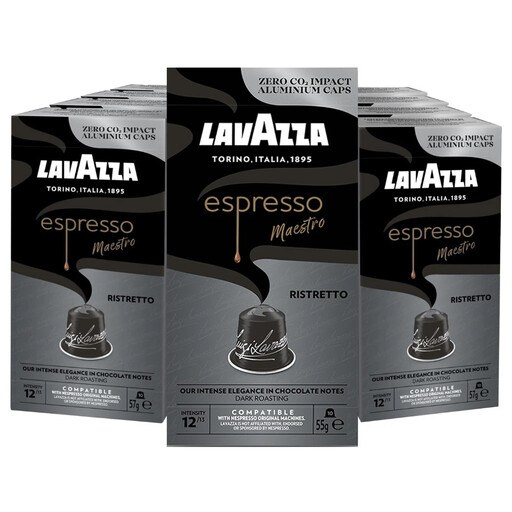
Why This Fits Their Persona: For those who need a quick, powerful and reliable coffee to start their day, these pods deliver a classic Italian ristretto experience with zero fuss. The consistency is perfect for a busy morning routine.
It uses aluminium capsules, avoiding the performance and flavour issues of plastic pods. The Arabica-Robusta blend embraces the strength of both beans, rather than relying solely on the "100% Arabica" marketing myth.
A high intensity rating (12/13) delivers a full-bodied, powerful shot with notes of chocolate and caramel. Lavazza also offsets the carbon emissions for this product.
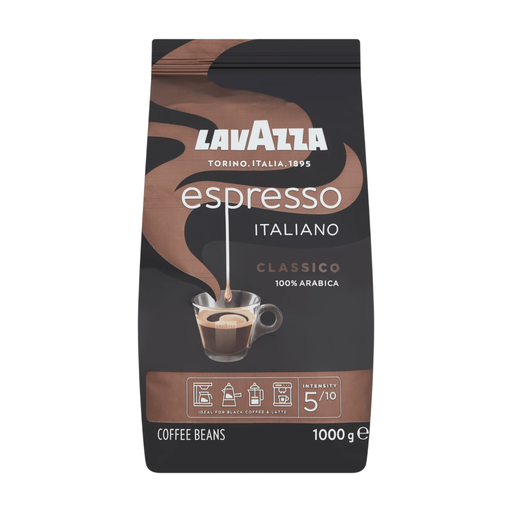
Why This Fits Their Persona: This user values freshness and the ritual of making coffee. Buying whole coffee beans allows them to control the grind size for their specific equipment, ensuring the freshest possible cup every time.
It directly counters the "pre-ground freshness fallacy." By grinding only what is needed for each brew, the flavour and aroma of the remaining beans in the 1kg bag are preserved for much longer.
This is a versatile 100% Arabica blend that works well in espresso machines, pour-overs and French presses. The large 1kg bag offers excellent value for those who drink coffee daily.

Why This Fits Their Persona: This person wants the comforting taste of coffee in the afternoon or evening without the caffeine. These decaf coffee pods offer a convenient, single-serving solution with a focus on ethical sourcing.
It uses recyclable aluminium pods, sidestepping the compatibility and quality issues of plastic alternatives. It also proves that decaf doesn't have to mean a compromise on quality or ethics.
These pods contain 100% Fairtrade Arabica coffee, ensuring a quality taste while supporting sustainable farming practices. The mild/medium roast is smooth and approachable.
We have compiled a complete, real-time list of products that fully satisfy these strict selection criteria and UK safety regulations.
1. How long do coffee beans stay fresh after opening? Once a bag of coffee beans is opened, its peak flavour lasts for about one to two weeks. To maximise freshness, store the beans in an airtight, opaque container at room temperature. Avoid the refrigerator or freezer, as moisture and odours can degrade the coffee.
2. Are all Nespresso compatible pods the same? No, they are not. The material, design and seal of a pod can significantly affect the final cup. Aluminium pods generally provide a better barrier against oxygen and light, preserving freshness. They also tend to perform more reliably in Nespresso machines, ensuring proper water flow and pressure for a good extraction, compared to some plastic alternatives.
3. What is the difference between an espresso and a ristretto? Both are concentrated coffee shots, but a ristretto is a "shorter" or more "restricted" shot. It is made with the same amount of ground coffee as an espresso but with about half the amount of water. This results in a smaller, more concentrated drink with a sweeter, less bitter flavour profile, as it extracts fewer compounds that emerge later in the brewing process.