Espresso travellers packing light
If the grinder must fit in your luggage and work regardless of socket access, a foldable manual model is worth considering. You will need to grind each dose by hand.


Choose a compact manual espresso grinder if luggage space and independence from cottage sockets matter most. An electric grinder makes more sense when several people want coffee and you can accommodate its size and power or charging needs. In either case, check the exact model’s espresso adjustment before prioritising dosing conveniences.
If the grinder must fit in your luggage and work regardless of socket access, a foldable manual model is worth considering. You will need to grind each dose by hand.
If several people will make espresso, an electric model may suit your routine better than grinding each dose manually. Check its dosing arrangement and whether you can power or charge it at the cottage.
If bedrooms are close to the kitchen, grinder noise may affect your choice. Eureka describes noise-reduction features on the Mignon Specialità, but its countertop format may be less convenient to transport.
Choose it when: The grinder must travel in luggage or work without a cottage socket.
Trade-off: You supply the effort for every dose, which matters more when several people want espresso.
Choose it when: Preparing several drinks matters more than minimising what you carry, and you can confirm how the model is powered.
Trade-off: Mains models need a suitable socket; cordless models still require a charging plan. Size and espresso adjustment vary by model.
| Concern | What to check | Who this matters to |
|---|---|---|
| Packing and power | Compare packed size and weight; check whether the grinder needs mains power, charging or neither. | If I am carrying coffee equipment and cannot count on a convenient socket, I need a grinder I can pack and use without mains power. Around 33% of consumers put that portability and independence first. |
| Espresso adjustment | Confirm an espresso-capable range on the exact model and check how its settings are adjusted. | When I change beans or use a different espresso machine, I need enough control to adjust the grind rather than rely on a general coffee setting. Fine adjustment is the main concern for around 27% of consumers. |
| Preparing several drinks | Check the dosing workflow and, where relevant, timer adjustment or portafilter compatibility. | If several people want espresso in the morning, I would rather not grind every dose by hand. Faster, repeatable preparation comes first for around 27% of consumers. |
| Shared-kitchen noise | Look for independently measured noise comparisons if quiet operation will decide the purchase; also consider the grinder’s transport size. | With others sleeping near the kitchen, I want to limit disturbance without bringing a grinder too awkward for the trip. Around 13% of consumers make that their primary concern. |
Espresso calls for a fine grind that you can adjust while dialling in. A general coffee grinder’s burr mechanism alone does not establish how useful its adjustment range will be for your machine.
Check the exact model’s stated espresso capability and adjustment system, rather than relying on the word burr in its name.
A mains grinder needs a suitable connection where you intend to use it. Great Britain and Northern Ireland have different electrical-product arrangements, so the destination matters when selecting a supplied version.
Confirm the grinder’s intended market, supplied plug and cable, and access to a suitable cottage socket before travelling. Do not treat an unverified travel adaptor as proof of compatibility.
Eureka describes noise-reduction features on the Mignon Specialità, but that description does not establish how loud it is beside another grinder in a cottage kitchen.
If noise will decide your purchase, look for independently measured comparisons under comparable conditions.
1Zpresso states that its grinders ship internationally from Taiwan. That makes delivery timing and the route for returns or warranty help relevant to a planned trip.
Confirm the delivery estimate and who handles support for your UK address before ordering.
A manual option for travellers who prioritise a compact, espresso-focused grinder.
An electric route for buyers who want a stated espresso setting range.
An electric option for a portafilter workflow when the grinder can occupy worktop space.
A countertop espresso route when fine adjustment matters more than travelling light.
These choices include hand grinders for trips without dependable socket access and portable electric grinders for consumers who can plan their charging. Compare each model’s stated espresso adjustment and packing needs before choosing a format.
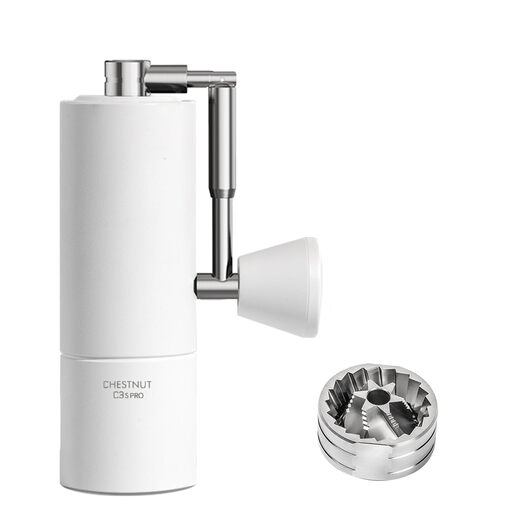 No image available
The manual design and foldable handle suit a trip where socket access is uncertain. Its title specifies a stainless-steel S2C conical burr and adjustment for espresso through to French press; check the adjustment steps if fine espresso changes are important to you.
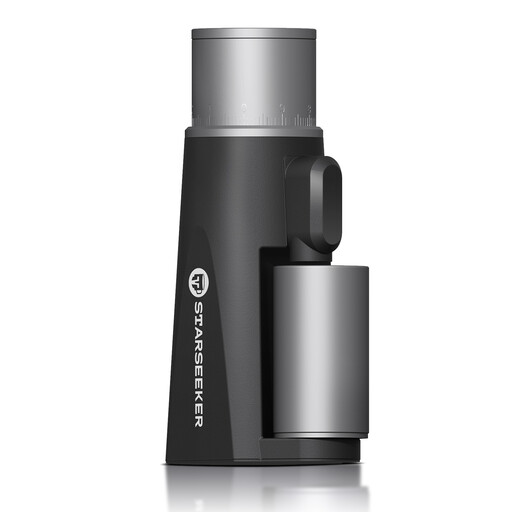 No image available
This portable electric option is described for espresso and pour-over without needing a socket during grinding. It has a conical burr; check its charging arrangements and runtime against the length of your stay.
 No image available
Consider this electric model if you want to avoid hand grinding while preparing espresso away from home. Its title lists 30 settings, automatic stop and clog protection; confirm its charging arrangement and follow its instructions when making several drinks.
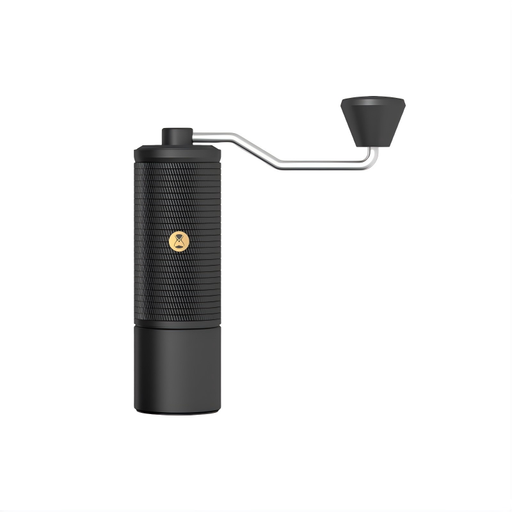 No image available
A hand-grinding option for making cottage espresso without relying on mains power. Check its adjustment steps, capacity and packed dimensions against your espresso setup and luggage.
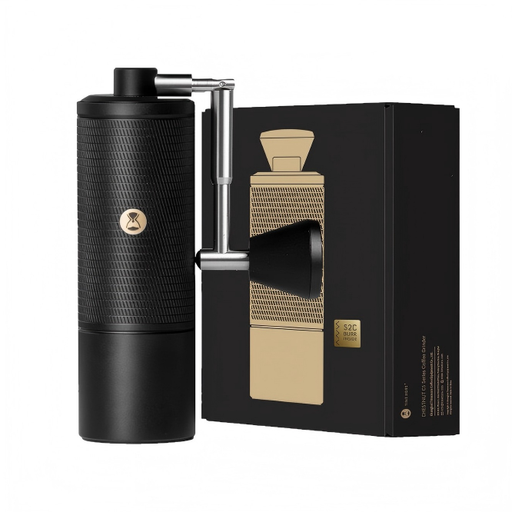 No image available
This manual option avoids dependence on a cottage socket, provided you are comfortable grinding each dose by hand. Confirm its espresso adjustment, capacity and packed size before planning your drinks and luggage.
Choose a model that explicitly offers a fine espresso range and adjustment you can use to dial in your machine, rather than assuming its burrs alone are enough. Baratza, for example, identifies settings #1–20 on the Encore ESP as its espresso-focused range.
Start with your espresso machine’s usual recipe and change one variable at a time while keeping the others consistent. Sage recommends this approach so you can judge the effect of each adjustment.
Check that the version you buy is intended for the cottage’s destination market and has a suitable plug connection before bringing it. The Office for Product Safety and Standards provides electrical-equipment guidance for Great Britain, while Northern Ireland has different arrangements; the Electrical Equipment (Safety) Regulations also address compatibility with BS 1363 sockets.
Empty retained grounds and follow the exact model’s cleaning instructions before packing. The 1Zpresso J-Ultra, for example, is described with a cleaning brush and blower, but another grinder may require a different method.