Households making several breakfast espressos
You want a routine you can repeat for each drink, whether that means timed grinding, a dosing cup or grinding into a portafilter.


For several breakfast espressos, choose a burr grinder with an espresso-focused adjustment range, then match its dosing routine to the household. A timer or hopper can simplify repeated same-bean drinks, while single dosing suits people who change beans and are willing to weigh each dose. Stepless adjustment allows finer dial-in changes; stepped settings make familiar positions easier to revisit.
You want a routine you can repeat for each drink, whether that means timed grinding, a dosing cup or grinding into a portafilter.
You expect to change grind size as beans or recipes change and need an adjustment range intended for espresso, not just a grinder described as general-purpose.
You alternate between coffees or brewing methods and would rather weigh individual doses and have access to the grind path for cleaning.
For family-breakfast espresso, establish how you will repeat each dose, then check whether the grinder offers the adjustment control, bean-handling routine and kitchen fit you need.
| Concern | What to check | Who this matters to |
|---|---|---|
| Several morning drinks | Check for a repeatable timer or dispensing routine and whether the grinder accepts a dosing cup or portafilter. Weigh a dose when its mass matters to your recipe. | If I am making several espressos before everyone leaves, I want to repeat the routine without timing every grind by hand; around 30% of consumers put repeatable preparation first. |
| Espresso adjustment | Confirm an espresso-focused range and choose between numbered steps and continuous stepless adjustment. | When I change beans or recipes, I need room to adjust the grind without losing track of a useful setting; around 30% of consumers primarily value espresso dial-in control. |
| Bean changes and cleaning | Consider single dosing versus hopper storage, and check access to the burrs or grind path. | If breakfast includes regular and decaf coffee, I would rather load each dose separately than keep switching a full hopper; bean flexibility and cleanup come first for around 20% of consumers. |
| Kitchen fit and support | Check lid clearance, portafilter fit, the exact plug and voltage, applicable product information, and the seller’s warranty and return terms. | With cupboards above my worktop, I need to be able to fill and use the grinder where it will stand; around 20% of consumers make household fit and purchase support their primary concern. |
Neither figure tells you how much control the grinder gives you within its espresso range.
Check the exact model’s espresso settings and adjustment type, then decide whether returning to numbered positions or making smaller stepless changes better suits you.
A hopper can suit repeated drinks using one bean, but it adds a step if you want to change between regular and decaf beans without mixing them.
Consider single dosing if weighing and loading each coffee fits your routine; consider a hopper or timer if repeating the same-bean workflow matters more.
Portafilter diameters and supplied adapters vary, while the space needed to open a grinder’s lid can affect where you use it.
Measure the intended position with overhead clearance, and check your portafilter diameter and the accessories included with the exact model.
An electrical configuration or warranty stated for one version or seller should not be assumed for another listing. Great Britain and Northern Ireland also have different electrical-product provisions.
Check the exact listing’s plug, voltage, applicable product information, seller, warranty route and return terms before ordering.
The Encore ESP range offers a choice between numbered settings and additional adjustment and dosing controls.
The Niche Zero is aimed at people who weigh individual doses and may switch beans or brewing methods.
The Mignon Specialità combines stepless adjustment with grinding into a portafilter.
The Uniform Evo offers integrated weighing alongside grinder settings and portafilter adapters.
These grinders offer different ways to approach family-breakfast espresso, from numbered settings and timed routines to stepless adjustment and a portable format. Check each model’s dosing method against the number of coffees you make.
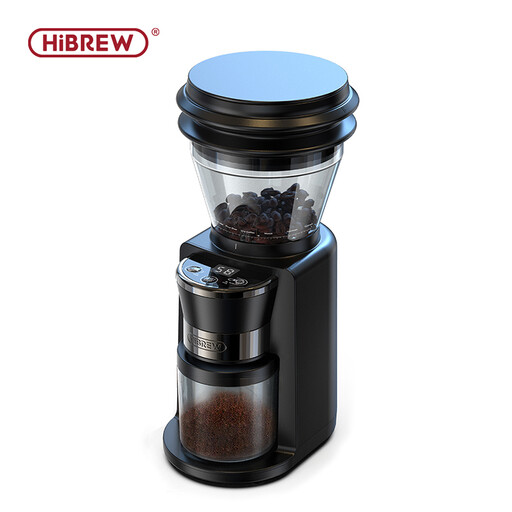 No image available
Consider this model if you want a bean container and a choice of manual or automatic grinding for the morning routine; check the amount dispensed when dose weight matters.
The listed configuration has a 48 mm conical burr, a 210 g bean container, a 100 g grounds container and an anti-static function.
 No image available
Consider its programmable grinding routine if you want to repeat breakfast preparation, but weigh the grounds when the dose must match a recipe: a timer measures time, not mass.
The listed model has a conical burr and 60 grind settings.
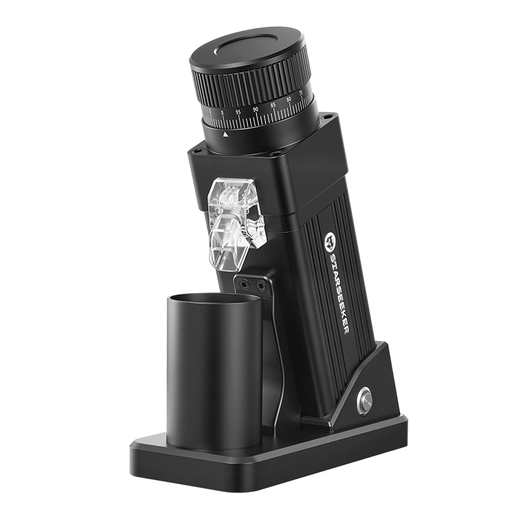 No image available
Its stepless adjustment may suit frequent espresso dial-in; check how you would measure or repeat each dose when making several drinks.
The listed variant has a 55 mm titanium-alloy conical burr and a 72 W AC motor.
 No image available
Consider the portable format if worktop space or occasional travel matters, rather than assuming it will be quicker for a large breakfast round.
The listed model has 30 settings, auto-stop and clog protection. Its listing advises against more than six consecutive espresso batches to avoid overheating.
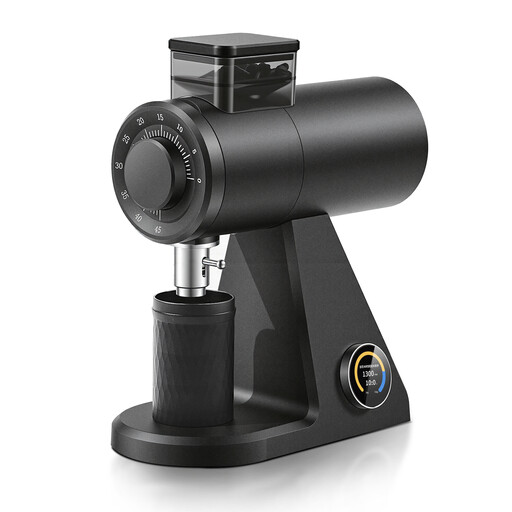 No image available
A timer may suit a repeated morning routine, but check the espresso adjustment range and the resulting dose weight before relying on it for a particular recipe.
The listed model has a timer and is described for both espresso and pour-over coffee.
Start with a burr grinder that states an espresso-capable adjustment range, then check how you will prepare each dose. A setting count alone does not tell you whether the espresso positions give you the control you need.
Choose stepped adjustment if returning to familiar numbered settings matters most, or stepless adjustment if you expect to make smaller changes while dialling in espresso. Either way, changing beans or recipes may call for another adjustment.
No: a timer repeats grinding time rather than measuring the mass of coffee produced. Weigh doses when following a close espresso recipe, particularly after changing beans or grind settings.
Check the exact grinder’s plug, voltage and applicable product information for where it will be used. The GOV.UK Office for Product Safety and Standards explains that the Electrical Equipment (Safety) Regulations 2016 govern placing electrical equipment on the Great Britain market; Northern Ireland has different provisions under the Windsor Framework, so do not assume the Great Britain position applies there.
No. Check the individual listing and seller for the applicable warranty and voluntary return terms, as well as who handles a fault. A retailer’s change-of-mind policy is separate from remedies for faulty, damaged or misdescribed goods.